
The Smart Shopper’s Guide to Buying a New TV: Expert Tips for Getting the Best Deal
Spring Into Savings: Why Timing Your TV Purchase Matters
Most people assume that Black Friday or the January sales are the only times worth considering for a major electronics purchase, but savvy shoppers know there’s another sweet spot on the calendar that often gets overlooked: springtime. If you’ve been eyeing a new television but haven’t pulled the trigger yet, you might want to wait just a little longer for potentially significant savings. According to Nick Bunce, a TV expert at AO.com, spring represents a golden opportunity for bargain hunters, particularly because major manufacturers typically launch their newest television models between March and May. This timing creates a perfect storm of discounts as retailers clear out last year’s inventory to make room for the latest releases. The timing becomes even more strategic when you consider major sporting events on the horizon. With the 2026 World Cup approaching, spring 2025 could be an ideal window to upgrade your viewing experience before the tournament begins, giving you plenty of time to enjoy your new purchase without paying premium prices for the absolute latest models. The key is understanding that “new” doesn’t always mean “better” in meaningful ways, and last season’s top-tier models often provide exceptional value once they’re being phased out.
Don’t Let the Showroom Fool You: In-Store Shopping Strategies
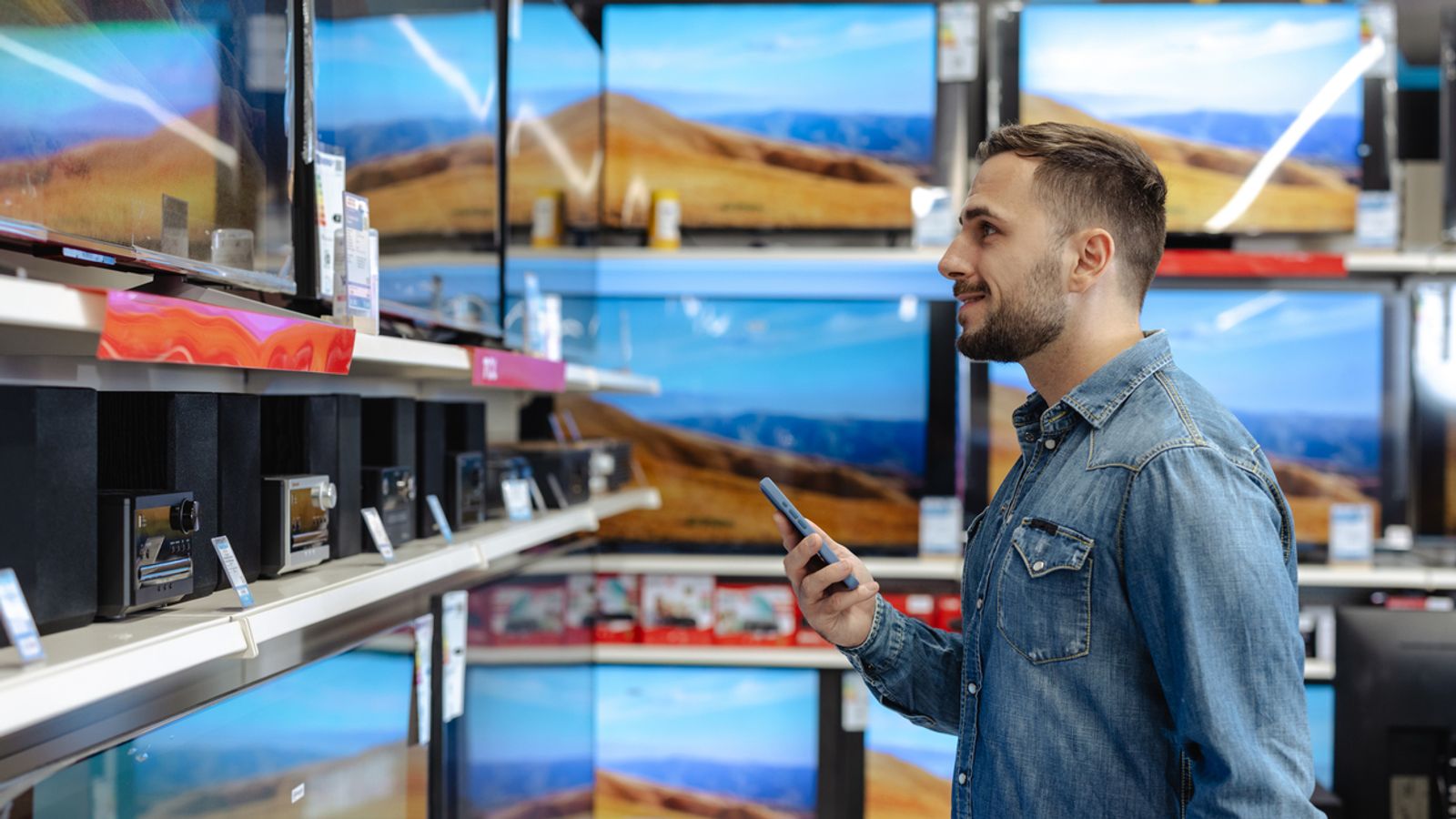
Walking into an electronics store can feel overwhelming, with dozens of massive screens displaying impossibly vibrant images designed to catch your eye and open your wallet. But here’s something most shoppers don’t realize: those stunning showroom displays are deliberately engineered to look better than they ever will in your actual living room. Matt Beucler, founder of digital company Plura AI, warns that retailers use various tricks to make televisions appear more impressive than they’ll be in normal viewing conditions. Store lighting is carefully calibrated, TVs are set to artificially enhanced “store mode” or “demo mode” that cranks brightness and colour saturation to unrealistic levels, and the viewing angles in stores often differ from how you’ll actually watch at home. To counter these tactics, Beucler recommends taking a more analytical approach during your showroom visit. Step back to approximately the same distance you’d sit from the TV in your own home, pay particular attention to how the television handles shadows and motion rather than just being dazzled by bright colours, and if possible, ask store staff to switch the display out of store mode so you can see a more realistic picture. These small adjustments to your shopping approach can prevent buyer’s remorse when you get your new TV home and wonder why it doesn’t look quite as spectacular as it did in the shop.
Essential Features Worth Your Money (and the Ones That Aren’t)
Consumer champion Martin Newman has identified the truly important specifications you should prioritize when television shopping, cutting through the marketing jargon that manufacturers use to justify premium prices. First and foremost, 4K resolution should be considered the absolute baseline standard today – anything less simply isn’t worth your money in the current market. Beyond resolution, High Dynamic Range (HDR) technology, particularly Dolby Vision or HDR10+, makes a dramatic difference in how colours and contrast appear on screen, creating a more lifelike and immersive viewing experience. Brightness, measured in “nits,” becomes particularly important if your viewing room gets a lot of natural light, preventing the washed-out picture that can plague dimmer screens in bright conditions. Good upscaling capability is another crucial feature that often gets overlooked; this refers to the TV’s ability to take lower-resolution content and make it look better on your high-resolution screen, which matters because not everything you watch will be in perfect 4K quality. For gamers or anyone thinking about future needs, HDMI 2.1 ports are essential for handling the bandwidth requirements of next-generation consoles and high-frame-rate content. Finally, don’t underestimate the importance of a decent operating system – a slow, clunky interface can make even the most beautiful picture frustrating to actually use on a daily basis when you’re just trying to launch Netflix or switch between apps.
The Resolution Reality Check: When More Pixels Don’t Mean Better Pictures
There’s a persistent misconception that higher resolution always equals a better viewing experience, but the reality is considerably more nuanced. While 4K has rightfully become the standard for modern televisions, offering noticeably better picture quality especially on screens above 50 inches, the jump from 4K to 8K delivers far less dramatic improvements than you might expect based on the marketing hype. Unless you’re sitting unusually close to your television or opting for a truly massive display, most viewers struggle to perceive the difference between 4K and 8K resolution in normal viewing conditions. This is simply a matter of human biology – our eyes have limitations in what they can distinguish, and manufacturers have largely reached the point of diminishing returns with current 8K technology. Even more importantly, features like HDR, colour accuracy, and motion handling typically shape your actual viewing experience far more than raw pixel count ever will. Both Bunce and Beucler emphasize that for budget-conscious shoppers, investing in a high-quality 4K television makes far more sense than stretching your budget for 8K. The content ecosystem supports this recommendation as well; streaming platforms like Netflix, Amazon Prime, and Disney+ have largely standardized on 4K as their premium quality tier, making a good 4K TV the sweet spot for getting the most out of your subscriptions without overspending on technology that exceeds what most content can actually deliver.
Decoding Display Technology: OLED, QLED, and LCD Explained
Understanding the differences between display technologies can help you make a more informed decision based on your specific viewing environment and budget. OLED (Organic Light-Emitting Diode) technology delivers what Newman describes as the best overall picture quality among current options, with perfect blacks, exceptional contrast, and brilliant performance for both films and sports content. The technology works by allowing individual pixels to turn completely off, creating true black rather than the dark grey you get with backlit displays. This makes OLED particularly ideal for darker rooms where you’ll really appreciate the depth and richness of the image. However, OLED televisions typically come with premium price tags and can suffer from reduced brightness in very bright rooms. QLED (Quantum Dot LED), on the other hand, offers a different set of advantages – these displays are brighter and punchier than OLED, making them better suited to living rooms with significant natural light. You won’t achieve the perfect blacks that OLED provides, but you will get excellent colour reproduction and brightness for everyday viewing across various lighting conditions. Finally, LCD represents the entry-level option in today’s market, offering adequate performance at lower price points but without the advanced features and picture quality of the premium technologies. The good news for budget-conscious shoppers is that display technology interacts significantly with your viewing environment, meaning you don’t necessarily need to buy the most expensive option to get great results.
Smart Shopping Strategies: Brands, Reviews, and What Really Matters
When it comes to getting the best value for your money, Newman suggests that lesser-known brands deserve serious consideration, potentially saving you hundreds of pounds without significant compromises in picture quality. Brands like TCL and Hisense have emerged as strong value options, using many of the same panel technologies as premium manufacturers but at far more affordable prices. Industry experts consistently rate their mid-range models highly, making them worth investigating if you want maximum value rather than maximum prestige. Of course, if you want the absolute best quality and are willing to pay for it, established brands like Sony, LG, and Samsung continue to set the benchmark. When evaluating any television, Newman emphasizes that contrast is the single biggest indicator of picture quality – the ability to display deep blacks, bright highlights, and detail in dark scenes matters far more than resolution figures or fancy marketing terminology. Regarding refresh rates, there’s often unnecessary upselling around this specification; while a 120Hz refresh rate is genuinely beneficial for fast-moving content like live sports and gaming, keeping motion smooth and avoiding blur, the standard 60Hz is absolutely fine for everyday television watching and streaming. Finally, when researching your purchase, Newman recommends relying on thorough, independent testing from sources like Which?, RTINGS.com, and TechRadar rather than influencer unboxing videos. These resources offer technical comparisons and consumer-centric perspectives that will steer you toward the right decision far more reliably than promotional content disguised as reviews.