
The Austin Bar Shooting: A Tragedy Fueled by Extremism and Mental Health Struggles
A Night of Horror in Texas
The weekend should have been a time for relaxation and camaraderie at a popular Austin, Texas bar, but it turned into a nightmare that would leave three people dead and more than a dozen others injured. In the early morning hours of Sunday, a gunman opened fire on unsuspecting patrons, transforming what should have been an ordinary night out into a scene of chaos and terror. The timing of this horrific attack was particularly notable—it occurred just one day after coordinated military strikes by the United States and Israel against Iran, a detail that would later prove significant in understanding the shooter’s possible motivations. The 53-year-old attacker, identified as Ndiaga Diagne, was ultimately killed in a shootout with police officers who responded to the scene. As investigators began piecing together the events of that terrible night, they discovered that this wasn’t simply a random act of violence, but rather an attack that appeared to be influenced by a toxic combination of religious extremism, political grievances, and deeply troubling personal issues that had been festering for years.
A Digital Trail of Hatred and Extremism
As law enforcement officials delved into Diagne’s background, they uncovered a disturbing online presence that painted a picture of a man consumed by hatred and radical ideologies. Investigators identified an X (formerly Twitter) account that they believe belonged to the shooter, which had been created in October 2024 and remained active until December of the same year. The posts on this account revealed a pattern of antisemitic, anti-Christian, and misogynistic views that escalated over the year and a half leading up to the attack. One particularly inflammatory post from April expressed support for what the writer called “THE ISLAMIC REVOLUTION,” declaring it “ETERNAL” while directing hostility toward “Zionist and islamophobes.” This message was posted in response to Iran’s foreign minister and came during a period of heightened tensions between Israel and Iran. The account also contained derogatory comments about President Trump, whom Diagne referred to as “A shameless clown,” and Israeli Prime Minister Benjamin Netanyahu, whom he described as “Evil.” These posts suggested that international conflicts, particularly those involving Iran and Israel, weren’t just distant news events for Diagne—they were personal grievances that fueled his growing radicalization.
Evidence of Radicalization and Political Motivation
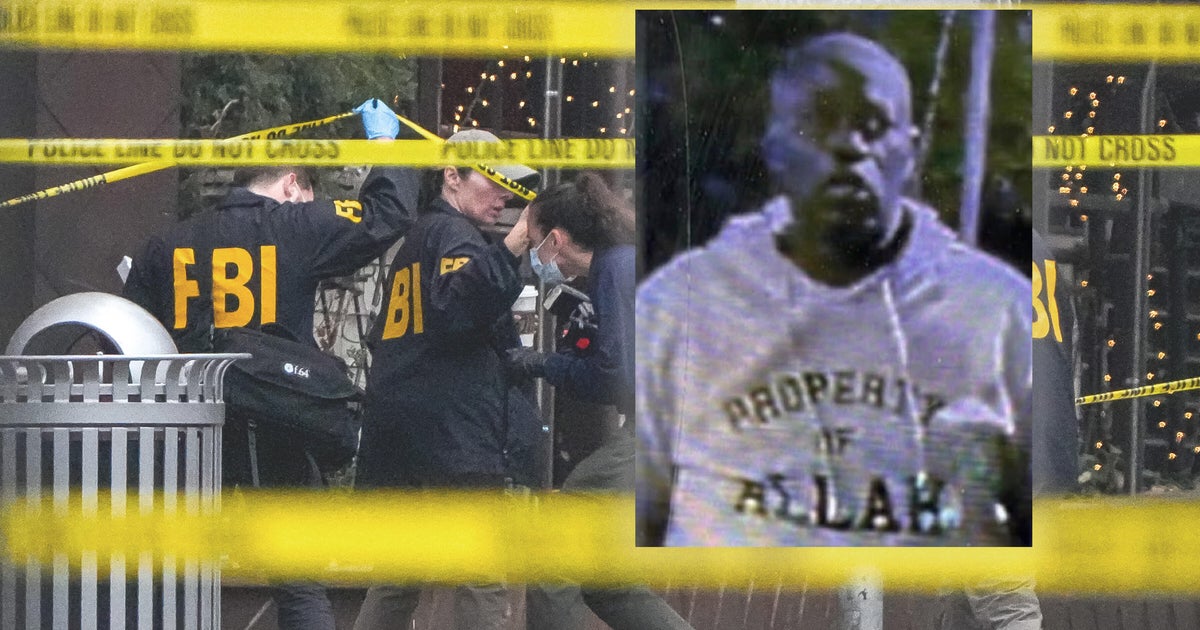
The physical evidence discovered both during and after the shooting further confirmed investigators’ suspicions about Diagne’s motivations and mental state. At the time of the attack, the gunman was wearing clothing that made his allegiances clear: a T-shirt with a design resembling the Iranian flag and a hoodie bearing the words “Property of Allah.” Inside the SUV he drove to carry out his attack, law enforcement found a Quran, adding another piece to the puzzle of his mindset that night. When investigators searched his Austin apartment the following day, they discovered even more troubling materials—an actual Islamic Republic of Iran flag and photographs of Iranian regime leaders displayed in his living space. These weren’t casual political interests; they represented a deep identification with a foreign regime that has long been antagonistic toward the United States and Israel. The timing of the attack, coming just one day after U.S. and Israeli military action against Iran, strongly suggested that Diagne viewed his rampage as some form of retaliation or statement in support of the Iranian government. This wasn’t simply the act of a disturbed individual lashing out randomly—it appeared to be a calculated act of violence motivated, at least in part, by international political events and extremist ideology.
A Troubled History and Mental Health Struggles
While Diagne’s apparent radicalization was alarming, investigators also uncovered a long history of personal troubles and mental health issues that provided additional context for understanding how he reached such a dark place. Born in Senegal, Diagne had immigrated to the United States in 2000 and became an American citizen in 2013, following what would seem to be a typical path toward the American dream. However, his life in America was marked by numerous difficulties and encounters with law enforcement. Records showed that he had been arrested four times between 2001 and 2016, though only one arrest—from 2001 for illegally selling sunglasses—had unsealed records available for review. While living in New York at some point during his years in America, Diagne was involved in a vehicle crash that severely injured a woman, leading to a lawsuit. The outcome of this legal action and how Diagne responded to it remains unclear, but it represents another troubling episode in a life that seemed increasingly unstable. Perhaps most significantly, sources familiar with the investigation revealed that Diagne had a documented history of mental health issues, including at least one incident where police responded because he was experiencing suicidal thoughts. This tragic combination of mental health struggles, personal failures, and eventual radicalization created a perfect storm that would ultimately result in the deaths of three innocent people.
A Pattern of Hatred Across Multiple Targets
Beyond his political extremism, Diagne’s online presence revealed a broader pattern of hatred directed at multiple groups and belief systems. His posts demonstrated particular hostility toward Christianity, which he dismissed as “fake” in one message while using vulgar and offensive language to describe foundational figures of the Christian faith, including the Virgin Mary. This wasn’t simply religious disagreement or theological debate—it was visceral contempt expressed in the crudest possible terms. His misogyny was equally evident in his online activity. When another user posted a meme asking, “Women produce babies. What do men produce?,” Diagne responded with a message that emphasized male supremacy, claiming that men “have built everything in this world.” This view of women as inferior wasn’t an isolated comment but part of a broader worldview that dehumanized anyone who didn’t fit his rigid ideology. The account also showed repeated hostile interactions with Laura Loomer, a right-wing influencer and Trump supporter who has described herself as a “proud Islamophobe.” In one particularly vile message directed at Loomer, Diagne used offensive language and accused her and her associates of being “fake Jews” who put “Israel first.” These interactions revealed someone who was perpetually angry, constantly seeking out conflict, and unable to tolerate viewpoints different from his own—a mindset that ultimately manifested in deadly violence.
The Aftermath and Broader Implications
The Austin bar shooting stands as yet another tragic reminder of how extremist ideologies, mental health crises, and access to weapons can combine with devastating results. Three families are now mourning loved ones who went out for a simple evening and never came home. More than a dozen others are recovering from physical wounds, while countless witnesses will carry psychological scars from witnessing such horror. As communities across America struggle to make sense of yet another mass shooting, this case presents particularly complex questions about radicalization in the digital age. Diagne’s descent into extremism wasn’t happening in some distant training camp—it was unfolding on social media platforms where his increasingly hateful posts were visible to anyone who cared to look. The intersection of mental health issues and political radicalization raises difficult questions about intervention and prevention. Were there warning signs that could have been acted upon? Could the combination of his documented mental health struggles, history of arrests, and increasingly extremist online presence have been flagged before he carried out his attack? As investigators continue piecing together the full picture of what happened and why, the broader conversation about preventing such tragedies continues. This wasn’t just about one disturbed individual—it reflects larger societal challenges around mental health care, the spread of extremist content online, the radicalization of vulnerable individuals, and the ongoing threat of violence motivated by international conflicts playing out thousands of miles away. The victims of the Austin shooting deserved a night of peace and enjoyment, not to become casualties in one man’s twisted interpretation of global politics and religious conflict.