

Mark Zuckerberg Takes the Stand: A Historic Trial That Could Change Social Media Forever
The Tech Titan Arrives in Court
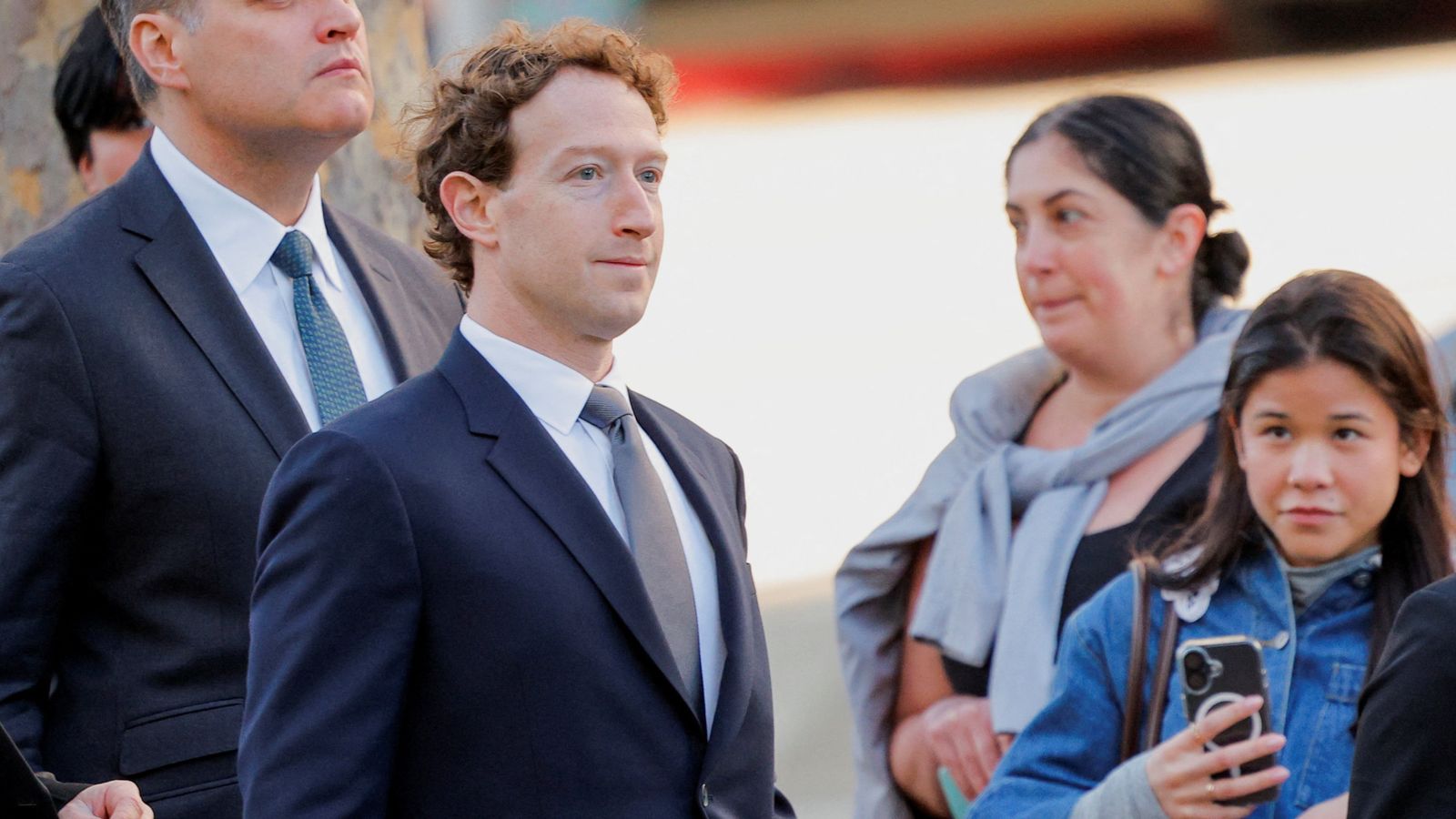
In a scene that has been years in the making, Mark Zuckerberg, the billionaire CEO of Meta and architect of the world’s most influential social media empire, walked through the doors of a courthouse to face something he’s fought hard to avoid: testifying before a jury about the impact of his platforms on young people. This isn’t just another day in court for a tech executive—it’s a watershed moment that could fundamentally reshape how we think about social media companies’ responsibilities to their users, particularly the most vulnerable among them: children and teenagers.
The man who built Facebook in his Harvard dorm room and transformed it into a global phenomenon controlling Instagram, WhatsApp, and the metaverse-focused Meta, now finds himself answering to a 20-year-old plaintiff known in court documents as KGM. This young person’s case represents countless others who claim that Meta’s platforms have caused them serious harm. The significance of this trial extends far beyond the courtroom walls—it represents a reckoning for an industry that has long operated with minimal oversight, and for a CEO who has wielded unprecedented influence over how billions of people communicate, consume information, and view themselves.
A Reluctant Witness Compelled to Appear
Zuckerberg didn’t come to court willingly. The Meta CEO and his high-powered legal team fought vigorously against the requirement that he appear in person, arguing that his testimony was unnecessary and that the case could proceed without him taking the stand. It’s a tactic commonly employed by corporate executives who prefer to keep their distance from legal proceedings that could expose their companies to liability or public relations disasters. After all, when you’re one of the most recognizable faces in technology and business, every word you speak under oath becomes headline news with potentially enormous consequences.
But Judge Carolyn Kuhl wasn’t buying those arguments. In a ruling issued in October that sent shockwaves through Silicon Valley, she determined that Zuckerberg’s testimony was “uniquely relevant” to the case at hand. This legal determination carries significant weight—it means that the judge believes only Zuckerberg himself can provide certain crucial information or perspectives that cannot be obtained from other witnesses or documents. It suggests that the decisions, knowledge, and actions at the very top of Meta’s corporate hierarchy are central to understanding whether the company bears responsibility for the harm alleged by the plaintiff. Judge Kuhl’s decision effectively stripped away the protective layers that usually insulate CEOs from direct accountability, forcing Zuckerberg to face uncomfortable questions about what he knew, when he knew it, and what he did—or failed to do—about the dangers his platforms might pose to young users.
Not His First Rodeo, But a Different Arena
This isn’t Zuckerberg’s first time in the hot seat answering difficult questions about youth safety and the societal impact of Meta’s platforms. He’s appeared before Congressional committees multiple times, enduring hours of questioning from lawmakers about everything from data privacy to the spread of misinformation to the mental health effects of Instagram on teenage girls. Those hearings have produced viral moments—Zuckerberg patiently explaining how the internet works to technologically challenged senators, or offering carefully worded non-apologies that seemed designed more to avoid legal liability than to express genuine remorse.
In one particularly emotional Congressional hearing, Zuckerberg even apologized directly to families in attendance—parents who had lost children to suicide, families torn apart by addiction, and those whose loved ones had been exploited or harmed in ways they attributed directly to Meta’s platforms. It was a rare moment of apparent vulnerability from an executive often criticized for seeming robotic and detached from the human consequences of his business decisions. However, critics noted that these apologies came without concrete commitments to fundamental changes in how Meta’s platforms operate, particularly regarding the algorithmic systems that determine what content users see and how long they stay engaged.
But this trial represents entirely new territory for Zuckerberg. Congressional hearings, while public and sometimes contentious, are ultimately political theater with limited legal consequences. This courtroom appearance is fundamentally different—he’ll be testifying before a jury of ordinary citizens who will be tasked with determining facts and potentially assigning liability. Every answer he gives will be under oath, with the penalty of perjury hanging over any false statement. The lawyers questioning him won’t be politicians looking for sound bites for their constituents; they’ll be experienced litigators representing a plaintiff who claims real harm, and they’ll be laser-focused on building a case for damages. For someone who has spent his career controlling his image and his message with precision, this loss of control represents a genuine challenge.
What’s at Stake: More Than One Lawsuit
The 20-year-old plaintiff at the center of this case, identified only as KGM to protect their privacy, represents the tip of an enormous iceberg. Legal experts and advocates say that thousands of similar cases are working their way through the court system, each alleging that Meta’s platforms—designed to be as addictive and engaging as possible—have caused serious psychological, emotional, or physical harm to young users. These cases collectively represent an existential threat to the business model that has made Meta one of the world’s most valuable companies.
The allegations in these cases vary, but common themes emerge: platforms designed to exploit psychological vulnerabilities, algorithms that promote harmful content because it drives engagement, inadequate safety features despite internal research showing risks, and a corporate culture that prioritizes growth and profit over user wellbeing. Some cases involve young people who developed eating disorders after being bombarded with unrealistic body images on Instagram. Others concern teenagers who became severely depressed or suicidal after experiencing cyberbullying or social comparison that the platforms’ designs seemed to amplify. Still others involve children who were exploited by predators who used Meta’s platforms to find and groom victims.
Matthew P. Bergman, the founding attorney of the Social Media Victims Law Centre, captured the moment’s significance when he said that Zuckerberg’s testimony “is a moment that families across this country have been waiting for.” These families—parents who have buried children, siblings who have watched brothers and sisters struggle with mental illness, and young people themselves who feel their lives have been derailed—have been desperate for accountability. They want to look the person they hold responsible in the eye and hear him answer for decisions that they believe destroyed their lives. For them, this trial isn’t about legal technicalities or corporate liability theories—it’s deeply personal.
A Courtroom Filled With Pain and Hope
The proceeding was scheduled to begin at approximately 5 PM UK time (9 AM Pacific Time), though the exact moment when Zuckerberg would be called to the witness stand remained uncertain as the day began. Courtroom observers reported that the public gallery was expected to include bereaved parents—mothers and fathers who have lost children in circumstances they attribute to Meta’s platforms. Their presence adds an emotional weight to the proceedings that transcends the legal arguments and cross-examinations.
Imagine the atmosphere in that courtroom: on one side, one of the world’s wealthiest and most powerful individuals, surrounded by a team of elite lawyers whose fees likely exceed what most people earn in a year. On the other side, ordinary families who have experienced extraordinary tragedy, looking for answers and accountability. In the middle, a jury of citizens who will be asked to weigh complex technical evidence about algorithms and platform design against heart-wrenching testimony about real human suffering. And presiding over it all, a judge tasked with ensuring that the trial remains focused on the legal questions at hand while acknowledging the very human stakes involved.
The fact that bereaved parents would be in the gallery is particularly significant. Their presence serves as a powerful reminder that behind the legal abstractions and corporate defense strategies are real people whose lives have been shattered. While they may not be parties to this specific case, their attendance speaks to a broader movement of families who refuse to accept that the devastating impacts of social media on young people are simply an unavoidable cost of technological progress. They represent a growing chorus demanding that platforms be held accountable when their design choices prioritize engagement and profit over the safety and wellbeing of their youngest users.
The Broader Implications: A Potential Turning Point
Regardless of the verdict in this individual case, Zuckerberg’s appearance marks a potential turning point in how society grapples with the power and responsibility of social media companies. For years, these platforms have operated in a relatively consequence-free environment, protected by laws like Section 230 of the Communications Decency Act, which shields them from liability for user-generated content, and by their own terms of service, which users must accept but rarely read.
But the tide may be turning. Lawmakers around the world are proposing stricter regulations on how platforms can collect data from minors, what kind of content can be promoted to young users, and how algorithmic systems must be designed with safety in mind. Internal documents from Meta and other companies, leaked by whistleblowers, have revealed that executives were often aware of harms their platforms were causing but chose not to act decisively to address them. And cases like this one are testing whether companies can be held legally liable when their design choices lead to foreseeable harm.
If this jury finds in favor of the plaintiff, it could open the floodgates to thousands of similar lawsuits, potentially costing Meta billions of dollars and forcing fundamental changes to how its platforms operate. Even if Meta prevails, the publicity surrounding the trial—and particularly Zuckerberg’s testimony—may accelerate regulatory efforts and shift public opinion further against the laissez-faire approach that has governed social media for the past two decades. Either way, the image of Mark Zuckerberg sitting in a witness box, answering questions from grieving parents and their attorneys about whether he prioritized their children’s safety, is one that will resonate far beyond this particular courtroom. It’s a moment of accountability that many have argued is long overdue, and its reverberations will likely be felt throughout the tech industry for years to come.