
Russia’s Shadow Fleet: How Oil Tankers Defy Western Sanctions in the English Channel
Hidden in Plain Sight: The Billion-Dollar Oil Trade Under Europe’s Nose
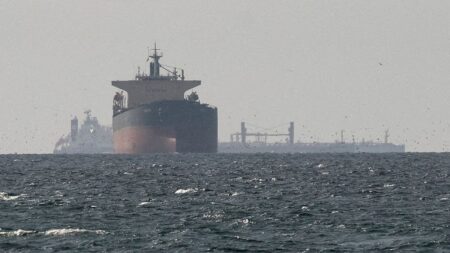
In the gray waters of the English Channel, a routine drama unfolds almost daily that reveals one of the most significant weaknesses in Western efforts to constrain Russia’s war machine in Ukraine. Less than two hours by boat from the white cliffs of Dover, massive oil tankers carrying Russian crude worth tens of millions of dollars each pass through international waters with remarkable regularity. These aren’t rogue vessels sneaking through under cover of darkness—they cruise past in broad daylight, visible to anyone with binoculars and a boat. On a foggy February morning, observers watched three such tankers, each carrying approximately $100 million worth of Russian oil, make their way through one of the world’s busiest shipping lanes. Local fishing boat skipper Matt Coker, who normally takes tourists out for sea fishing expeditions, describes these Russian tankers as such a common sight that “no one really takes any notice.” This casual acceptance of what amounts to sanctions-busting on an industrial scale highlights a troubling reality: despite Western embargoes, price caps, and increasingly aggressive sanctions packages, Russia has successfully built and maintains what experts call a “shadow fleet” of up to 800 vessels that keep oil revenues—and by extension, the war in Ukraine—flowing steadily. The UK government’s announcement of fresh sanctions this week appears almost quaint against the backdrop of this massive, ongoing operation happening right under the noses of Ukraine’s most vocal supporters.
The Mechanics of the Shadow Fleet: A Closer Look at Russia’s Floating Workaround
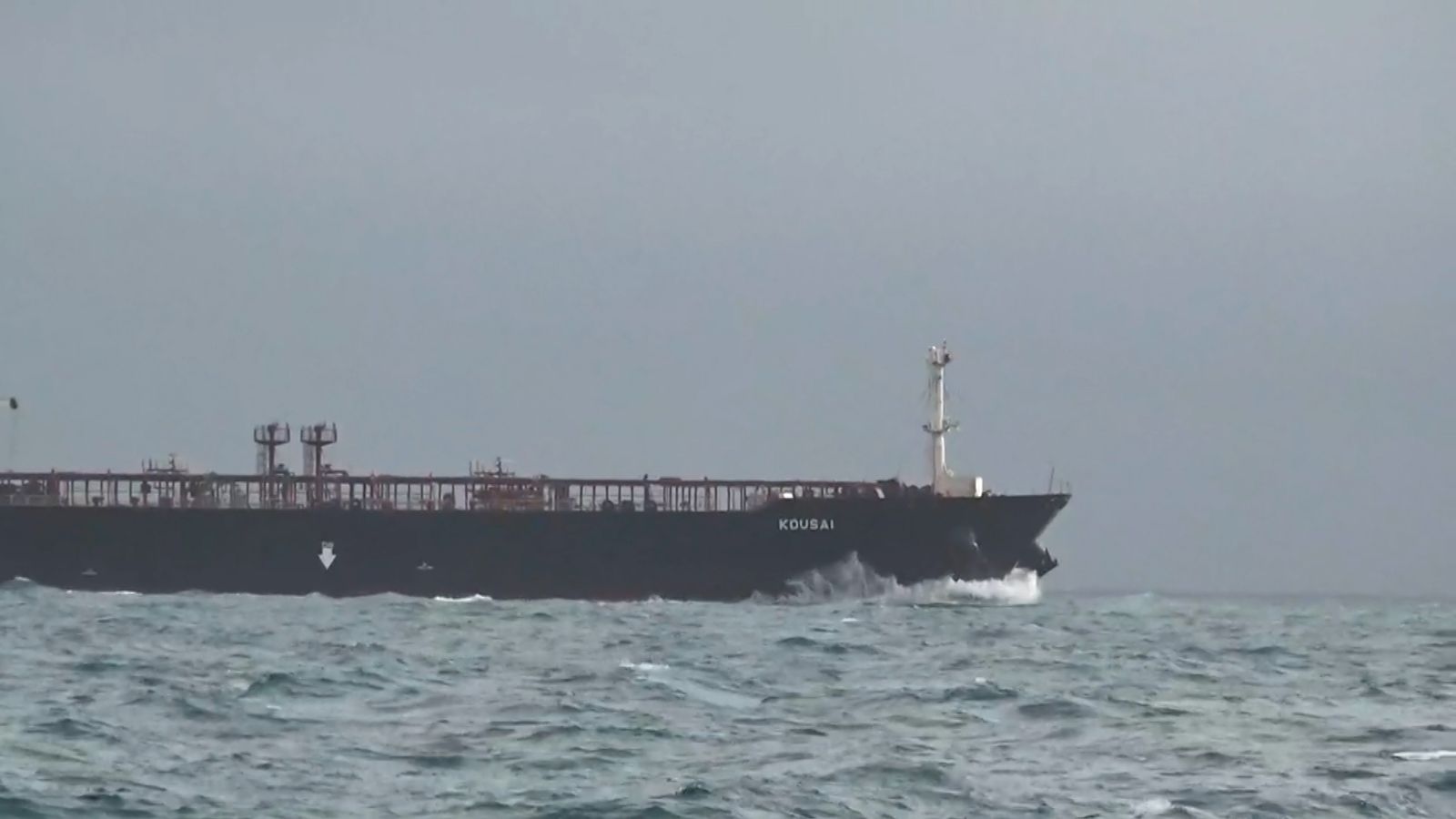
The three vessels tracked and intercepted in the Channel—the Rigel, the Hyperion, and the Kousai—each tell a revealing story about how Russia has adapted to Western pressure. The Rigel, a Suezmax-class tanker stretching more than 270 meters in length, emerged from the morning mist like a floating city. With the capacity to carry one million barrels of oil loaded a week earlier at Primorsk on Russia’s Baltic coast, its cargo alone was valued at approximately $55 million. The vessel operates under a deliberately complex arrangement designed to obscure responsibility and evade enforcement: it sails under a Cameroon flag, claims ownership and management by a company registered in the Seychelles, and has been sanctioned by the European Union, United Kingdom, and Canada. These sanctions prevent it from using port facilities in sanctioning countries, but they don’t stop it from sailing through international waters or docking in non-sanctioning nations. Its next known destination was Port Said at the entrance to the Suez Canal, though its ultimate delivery point remained unclear—though analysts note that since Ukraine’s invasion, the vast majority of Russian oil ends up in China and India, sold at substantial discounts to market prices. The Hyperion presented an even more brazen picture, sailing under a Russian flag with its name emblazoned in Cyrillic script on its bow, sanctioned by the UK, EU, and United States. This vessel had recently demonstrated the fleet’s adaptability: just months earlier, it had been sailing under a Sierra Leone flag when it delivered oil to Venezuela, then switched flags to evade the US naval blockade in the Caribbean—a routine tactic that makes tracking and enforcement extraordinarily difficult.
Flag-Hopping, Phantom Ownership, and the Insurance Mystery
The shadow fleet operates in a deliberately murky world of constantly changing identities and unclear accountability. Flag-switching is just one technique in an extensive playbook of evasion tactics. Vessels routinely change their flag registration—the country under whose maritime laws they operate—sometimes multiple times during a single voyage. This creates a regulatory shell game that makes enforcement actions complicated and time-consuming, often allowing vessels to complete their deliveries before authorities can coordinate an appropriate response. Ownership structures are intentionally opaque, with companies registered in jurisdictions with limited transparency requirements and complex chains of holding companies that obscure the true beneficial owners. Perhaps most concerning from a safety and environmental perspective is that insurance coverage for many of these vessels remains unclear or entirely absent. This represents a serious risk given that many ships in the shadow fleet are aging vessels that would struggle to meet the maintenance and safety standards required by legitimate shipping operations. The combination of old ships, unclear insurance, and potentially inexperienced or pressured crews creates significant potential for accidents, oil spills, or other maritime disasters. While the United States has taken direct military action against shadow tankers linked to Venezuelan oil—seizing at least seven vessels since last year, including one in the Indian Ocean just this week—and French paramilitary forces seized a vessel in the Mediterranean last month, British interventions have so far focused primarily on insurance verification rather than physical interdiction. This cautious approach was demonstrated when coastguard officials radioed the Kousai, the third sanctioned tanker observed that February morning, demanding proof of insurance and asking the captain to email documentation within 24 hours—a request that, even if complied with, does nothing to stop the vessel’s current voyage or delivery.
Market Adaptation: How Sanctions Changed Russia’s Oil Business Without Stopping It
The shadow fleet itself represents a massive market adaptation to Western sanctions—proof that the restrictions have had an impact, even if not the decisive one their architects hoped for. According to Pamela Munger, head of European market analysis for energy analysts Vortexa, over 60% of Russian crude oil now moves via the shadow fleet, a dramatic shift from pre-invasion shipping patterns. This shift has required Russia to employ significantly more vessels to move the same volume of oil, creating logistical complexity and inefficiency. “You have more vessels that need to be in the chain,” Munger explains. A sanctioned vessel might load Russian crude and begin its journey to China, but along the way could make “five, six, seven ship-to-ship transfers” to disguise the oil’s origin and eventually move the cargo onto non-sanctioned vessels for final delivery to end buyers. Data from the Centre for Research on Energy and Clean Air reveals that while the number of vessels in the shadow fleet has grown substantially and hundreds of individual vessels have been sanctioned directly, the actual volume of Russian oil being moved has remained relatively constant. The real impact of sanctions has been on price rather than quantity. Russian oil now competes in what traders call the “distressed” sanctioned oil market alongside Iranian and Venezuelan crude, forcing significant discounts to attract buyers willing to navigate the legal and logistical complications. David Fyfe, chief economist at commodity price specialists Argus Media, notes that before the invasion in 2021, Urals crude—Russia’s primary export grade—typically sold at just two to three dollars below benchmark North Sea Brent crude. As of February, that discount had widened dramatically to $27 below Brent, a massive price penalty that has cut Russian oil revenues by approximately 25% year-on-year and by as much as 50% in January alone—an economic impact the Kremlin cannot simply ignore.
The Legal Tightrope: Balancing Maritime Law and Economic Warfare
The hesitancy of European nations, including the UK, to take more aggressive physical action against shadow fleet vessels reflects the complex interaction between maritime law, international relations, and domestic legal frameworks. Under established international maritime law, all vessels enjoy the right of “innocent passage” through international waters as long as they sail under a legitimate flag, and many countries—including major economies like China and India—have continued doing business with Russia despite Western sanctions. This creates a legal tightrope for European enforcement: how aggressive can sanctions enforcement become before it violates long-established maritime conventions or creates diplomatic incidents with the flag states under which these vessels sail? The UK government has examined the legal grounds for detaining Russian tankers, including provisions under the Sanctions and Money Laundering Act, but so far has stopped short of physical interdiction in favor of documentation requests and insurance verification. This cautious approach frustrates those who see the daily passage of sanctioned tankers as evidence that current measures aren’t working. Professor Michael Clarke, Sky News security and defense analyst, believes a more confrontational approach is inevitable: “I think there must come a point at which Britain and its allies, the Dutch, and the Danes and the Norwegians and the seagoing nations of Northern Europe, they will get much tougher with these Russian ships, even if they’re escorted. When that happens, I think we’re heading probably sometime this year for some sort of militarised confrontation at sea.” Such a confrontation would represent a significant escalation in the economic war against Russia, potentially creating precedents that could reshape international maritime law and trading relationships for decades to come.
The Road Ahead: Tightening the Noose or Accepting the Limits?
As the war in Ukraine continues with no end in sight, pressure is building for a more robust European response to the shadow fleet. Economic analysts predict Russia will take a substantial revenue hit this year, with David Fyfe expecting “at the very least, something like a half-a-million barrel per day hit on volumes” in addition to the continued price discounts. The Ministry of Defence has stated that it has requested insurance documents from more than 600 vessels and that “deterring, disrupting and degrading the Russian shadow fleet is a priority,” but questions remain about whether documentation requests represent an adequate response to such a massive sanctions-evasion operation. The fundamental challenge lies in balancing the desire to economically constrain Russia’s war-making capacity against the practical, legal, and diplomatic constraints of enforcement. More aggressive interdiction could prove more effective but risks maritime confrontations, potential environmental disasters if poorly maintained vessels are damaged, diplomatic incidents with flag states and oil-purchasing nations, and the creation of precedents that might later be used against Western shipping. The shadow fleet’s continued operation also reveals an uncomfortable truth: as long as major economies like China and India continue purchasing Russian oil—albeit at discounts—and as long as international maritime law protects innocent passage, there are inherent limits to what sanctions can achieve without either full international cooperation or a willingness to challenge fundamental principles of maritime commerce. The tankers passing through the Channel each day represent not just Russia’s determination to fund its war effort but also the practical limitations of economic warfare in a globalized world where not all major players share the same objectives or constraints.