


Trump Administration Expands Citizenship Revocation Campaign: What It Means for Naturalized Americans
A New Era of Denaturalization Enforcement
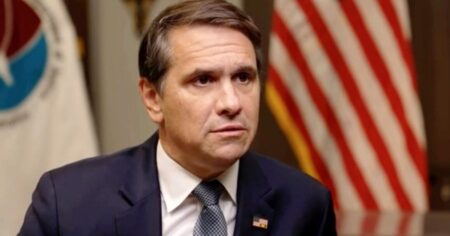
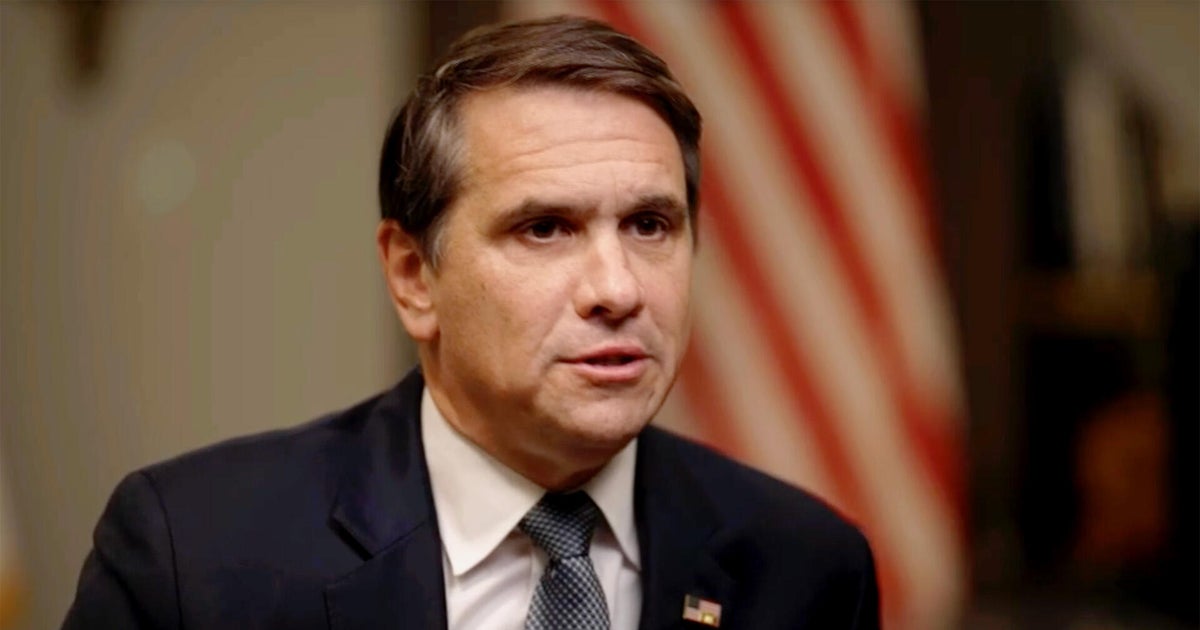
The Trump administration has signaled a dramatic shift in how America treats its naturalized citizens. In a recent interview from Phoenix, Acting Attorney General Todd Blanche made headlines by announcing that the government is pursuing more citizenship revocation cases than at any point in the last nine years. His message was clear and uncompromising: immigrants who obtained their American citizenship through fraudulent means should be “worried.” This announcement represents a significant departure from historical precedent, where denaturalization—the legal process of stripping someone of their citizenship—was reserved for only the most extreme cases. Blanche’s comments suggest that the current administration is casting a much wider net, potentially affecting thousands of naturalized citizens who may have made errors or misrepresentations on their applications, whether intentional or not. The Acting Attorney General’s stance reflects the administration’s broader philosophy on immigration enforcement, extending scrutiny beyond undocumented immigrants to include legal immigrants who have already completed the lengthy and complex process of becoming American citizens.
Understanding the Legal Process and Historical Context
To appreciate the significance of this policy shift, it’s important to understand both the legal mechanism involved and how rarely it has been used historically. The responsibility for revoking citizenship falls to the Justice Department, not the Department of Homeland Security which oversees most other immigration matters. The denaturalization process is deliberately complicated, requiring federal prosecutors to convince judges in civil or criminal proceedings that an individual obtained their citizenship through fraud—typically by lying on their naturalization applications. Between 1990 and 2017, a span of 27 years, federal officials filed only slightly more than 300 denaturalization cases total, averaging just 11 cases per year nationwide. This extraordinarily low number reflects how sparingly the government has historically used this power. Traditionally, denaturalization has been reserved for the most egregious situations: confirmed human rights abusers, violent criminals, or individuals deemed threats to national security. The rarity of these cases made sense—citizenship has long been considered one of the most sacred and protected statuses in American law, not something to be revoked lightly or frequently.
The Expanded Scope Under New Guidelines
The landscape changed significantly with new Justice Department guidance issued last year, which instructed officials to pursue denaturalization against broader categories of people, including those accused of financial fraud. This expansion represents a philosophical shift in how the government views citizenship and its permanence. While Blanche maintains that the administration is “not limiting ourselves to anybody in particular,” he suggested that Americans will “hear more about this in the coming days and weeks” and that there are “a lot of individuals who are citizens who shouldn’t be.” When pressed for specific numbers, the Acting Attorney General declined to provide estimates of how many people might ultimately lose their citizenship under this crackdown. This vagueness, combined with the expanded categories of people now being targeted, has created an atmosphere of uncertainty among naturalized citizens. The inclusion of financial fraud as grounds for denaturalization is particularly notable—this could potentially encompass a wide range of offenses, from serious crimes like tax evasion to more ambiguous situations involving business dealings or financial disclosures made years or even decades ago during the naturalization process.
The Human Impact: 24 Million People in Limbo
As of 2023, approximately 24 million people living in the United States are naturalized citizens—individuals who were born in other countries but went through the legal process to become Americans. For many, this achievement represented the culmination of years of effort, significant financial investment, and deep commitment to their adopted homeland. Now, some members of this community are experiencing genuine anxiety about their status. When asked about these concerns, Blanche’s response was notably dismissive, stating he doesn’t know “why they would be concerned” if they obtained their citizenship legally. He estimated that only “a very small percentage” of naturalized citizens should be worried, adding pointedly, “And yes, they should be.” However, the reality is more nuanced than his confident assertion suggests. The naturalization process is complex, involving dozens of questions about one’s entire life history, travel, employment, family relationships, and more. Innocent mistakes, memory lapses, or misunderstandings can occur, particularly for applicants whose native language isn’t English. The question of whether such errors constitute “fraud” worthy of citizenship revocation—potentially decades after the fact—is deeply troubling to many legal experts and immigrant advocates who worry about the subjective nature of such determinations.
The Administration’s Position: Zero Tolerance for Fraud
Blanche expressed puzzlement that the denaturalization campaign has generated controversy, framing the issue in stark moral terms: “We shouldn’t tolerate fraud. We shouldn’t tolerate lies.” From the administration’s perspective, the policy is simply about enforcing existing laws and maintaining the integrity of the citizenship process. The Acting Attorney General acknowledged that revoking someone’s citizenship is a “drastic consequence” but argued that committing fraud to obtain citizenship is equally a “drastic action” that justifies such serious repercussions. He emphasized that individuals targeted for denaturalization have legal recourse to challenge the proceedings, suggesting that the process includes appropriate safeguards. The administration’s messaging paints this as a common-sense enforcement action—rooting out bad actors who cheated the system while law-abiding naturalized citizens have nothing to fear. This framing resonates with broader themes of the Trump administration’s approach to immigration: strict enforcement, expanded scrutiny of legal immigration channels, and a focus on what officials describe as closing loopholes and preventing fraud in the immigration system. For supporters of this approach, the campaign represents overdue accountability and enforcement of standards that should have been applied all along.
Looking Forward: Questions and Concerns
As this denaturalization campaign expands, numerous questions remain unanswered. What specific standards will be applied to determine whether an error on a naturalization application constitutes fraud worthy of citizenship revocation? How far back will investigators look—will errors made 10, 20, or 30 years ago be grounds for denaturalization? Will there be meaningful distinctions between intentional fraud and honest mistakes? The Acting Attorney General’s promise that Americans will “hear more about this in the coming days and weeks” suggests that additional cases and possibly new policy announcements are imminent. For the 24 million naturalized Americans, this creates a climate of uncertainty that seems at odds with the traditional American understanding of citizenship as a permanent, protected status. Legal experts note that citizenship has always been considered different from other immigration statuses precisely because of its permanence—once granted, it shouldn’t be easily taken away except in the most exceptional circumstances. The expansion of denaturalization beyond cases involving war crimes, terrorism, or serious violent offenses represents a fundamental shift in this understanding. As this policy unfolds, it will test long-standing assumptions about what American citizenship means, who deserves it, and under what circumstances it can be revoked. For millions of naturalized citizens who have built lives, raised families, and contributed to their communities as Americans, the coming months may bring either reassurance that the campaign is truly limited to serious fraud cases—or confirmation of their worst fears about the permanence of their status in their adopted homeland.