


U.S. Navy Destroyers Face Intense Iranian Attack in Strategic Strait of Hormuz
A Dramatic Escalation at Sea
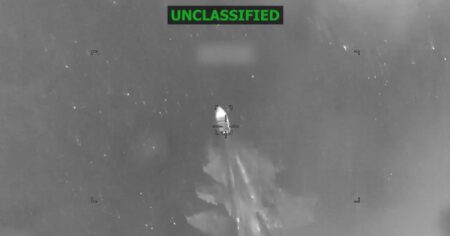
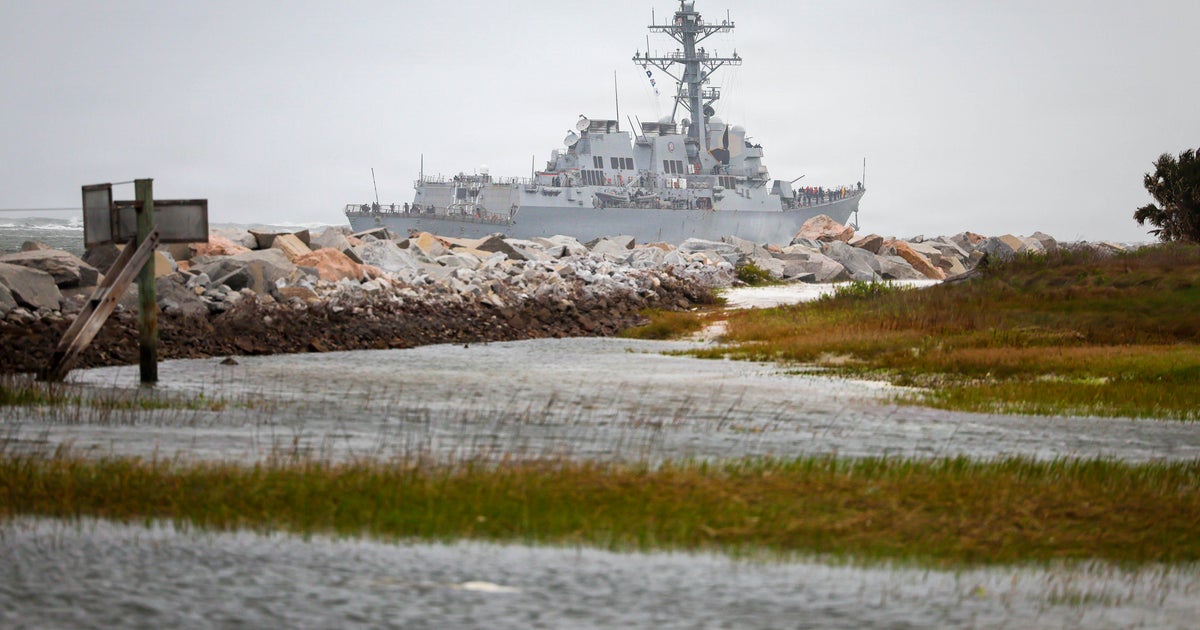
In a significant escalation of tensions in one of the world’s most strategic waterways, three American Navy destroyers found themselves under heavy attack while passing through the Strait of Hormuz this past Thursday. The USS Truxtun, USS Mason, and USS Rafael Peralta faced what military officials are describing as one of the most aggressive and prolonged Iranian assaults on U.S. naval forces in recent memory. What makes this incident particularly concerning is that it represents the second attack within just a few days—and this time, the Iranian forces came at the American ships with even greater intensity and determination. The attacks involved a coordinated combination of missiles, armed drones, and swarms of small, fast-moving boats that pressed dangerously close to the American warships, forcing the Navy crews into an extended defensive battle that lasted several hours.
A Multi-Layered Defense Under Fire
The American response to this sustained assault demonstrated the full spectrum of modern naval warfare capabilities. According to U.S. officials who spoke on condition of anonymity, the three destroyers and their supporting aircraft mounted what they described as a “layered defense”—essentially throwing everything they had at the incoming threats. The ships’ crews fired their powerful five-inch naval guns, which can engage targets miles away, while also activating their Close-In Weapon Systems, or CIWS for short (pronounced “sea-whiz” by sailors). These automated gun systems serve as a last line of defense, capable of firing thousands of rounds per minute to destroy incoming missiles and drones that get too close. Meanwhile, small-caliber gun teams stationed on the decks of the ships engaged the fast-attack boats that were maneuvering aggressively around them. The scene was further intensified by American Apache attack helicopters swooping in to fire Hellfire missiles at Iranian targets, while sailors manned .50-caliber machine guns from the ships’ decks. Additional aircraft circled overhead, providing extra firepower and surveillance. Remarkably, despite the ferocity of this multi-hour engagement and the variety of weapons Iran deployed, all three American destroyers emerged without any reported damage or casualties—a testament to both the skill of the crews and the effectiveness of U.S. naval defense systems.
A Pattern of Aggression
This Thursday attack wasn’t an isolated incident but rather the second confrontation in less than a week. Just days earlier, on Monday, the USS Truxtun and USS Mason had navigated through a similar Iranian barrage as they transited the Strait of Hormuz and entered the Persian Gulf. During that first engagement, Iranian forces had already deployed the same combination of small boats, missiles, and drones in what officials characterized as a sustained and coordinated assault. The fact that both attacks occurred without successfully striking the American vessels speaks to the preparedness of U.S. forces, but the increasing boldness of Iran’s actions has raised serious concerns among military analysts and policymakers. The American military didn’t simply defend itself passively, either. U.S. Central Command, which oversees military operations in the Middle East, confirmed that American forces conducted what they termed “self-defense strikes” against Iranian facilities, specifically targeting drone and missile launch sites that posed threats to the destroyers. These retaliatory strikes send a clear message that while the U.S. may be seeking diplomatic solutions, it will not hesitate to neutralize threats to its forces and interests.
Ceasefire in Name Only?
What makes these naval confrontations particularly puzzling and concerning is their timing. These attacks are occurring against the backdrop of what’s supposed to be a ceasefire between the United States and Iran—an agreement reached just over a month ago that was designed to create breathing room for both nations to pursue a longer-term peace deal. Defense Secretary Pete Hegseth has publicly stated that the ceasefire remains in effect, while Secretary of State Marco Rubio announced that the initial U.S. military operation against Iran, dubbed “Operation Epic Fury,” has concluded. Yet the reality on the water tells a different story. These naval engagements represent some of the most direct and aggressive exchanges between American and Iranian forces since the ceasefire was supposedly implemented, raising serious questions about what the agreement actually means in practical terms. The contradiction between the diplomatic language coming from Washington and the military reality playing out in the Persian Gulf highlights the fragile and ambiguous nature of U.S.-Iranian relations. It suggests that while both countries may have agreed to a formal ceasefire, they continue to test each other’s resolve and compete for strategic advantage, particularly in the waters that both nations consider vital to their interests.
The Stakes: Control of a Global Chokepoint
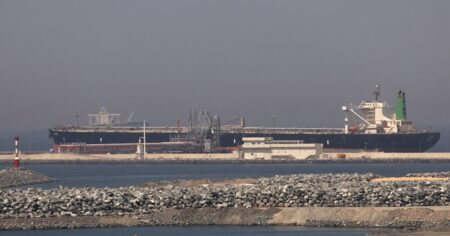
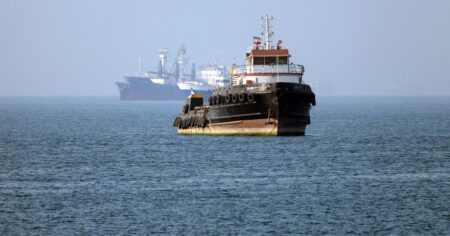
At the heart of this confrontation lies the Strait of Hormuz, a narrow waterway between Iran and Oman that holds enormous strategic and economic importance. Under normal circumstances, approximately one-fifth of the world’s oil supply passes through this strait, making it one of the most critical maritime chokepoints on the planet. Any disruption to shipping through the strait has the potential to send shockwaves through global energy markets and the world economy. This is precisely why both the United States and Iran view control over these waters as a matter of national interest. For Iran, the strait represents both a vital connection to international markets and a strategic lever—the ability to threaten closure of the strait gives Tehran significant geopolitical influence. For the United States, ensuring freedom of navigation through the Strait of Hormuz has long been a cornerstone of its Middle East policy, tied to both economic interests and commitments to allies in the region. The current situation, with American warships asserting their right to transit these waters while facing aggressive Iranian opposition, represents a dangerous contest of wills. Both nations are essentially testing how far they can push without triggering a larger conflict that neither side claims to want.
An Uncertain Future
As these naval confrontations continue, the international community watches with concern. The attacks on the American destroyers represent a dangerous pattern that could easily spiral out of control. While both the Monday and Thursday engagements ended without American casualties or damaged ships—outcomes that undoubtedly prevented further escalation—the law of averages suggests that continued confrontations of this intensity increase the likelihood that eventually something will go wrong. A missile might find its target, a boat might get too close, or a miscalculation on either side could lead to American casualties, which would almost certainly trigger a much more forceful U.S. response. The question facing policymakers in both Washington and Tehran is whether the supposed ceasefire can be strengthened into something more meaningful, or whether these naval clashes are signs that the agreement is already crumbling. The targeting of Iranian drone and missile sites by U.S. forces indicates that America is willing to escalate its response if attacks continue, while Iran’s repeated assaults suggest that Tehran either doesn’t fear American retaliation or is under domestic pressure to demonstrate strength against the U.S. presence in waters it considers within its sphere of influence. For now, the three American destroyers have completed their transit, their crews have performed admirably under fire, and no lives have been lost. But with tensions this high and the strategic stakes this significant, the Strait of Hormuz remains a potential flashpoint where the fragile peace between the United States and Iran could shatter at any moment, with consequences that would extend far beyond the Persian Gulf.