


The Final Flight: Understanding Spirit Airlines’ Sudden Shutdown
When Budget Flying Came to an Abrupt End
In the early hours of a Saturday morning that shocked the aviation industry, Spirit Airlines announced it was permanently grounding all its bright yellow planes, bringing an immediate end to operations after failing to secure a crucial $500 million federal bailout. The news came without warning to most travelers, leaving thousands stranded and millions more wondering what happened to the airline that once promised the cheapest flights in America. Spirit Aviation Holdings, the company overseeing the budget carrier, delivered the devastating news through a tersely worded press release, informing passengers not to head to airports and explaining that all flights were cancelled effective immediately. For an airline that built its reputation on no-frills, ultra-low-cost travel, the shutdown marked a dramatic fall from grace. The Florida-based carrier, which had already filed for bankruptcy protection twice since 2024, simply couldn’t weather the perfect storm of financial pressures that ultimately grounded it for good. The company established a dedicated website to handle the flood of customer questions and promised automatic refunds for tickets purchased directly through Spirit using credit or debit cards, though the process and timeline for those refunds remained unclear to many anxious travelers.
The Perfect Storm That Grounded Spirit
Spirit’s demise wasn’t caused by a single catastrophic event but rather a convergence of financial pressures that proved insurmountable for the struggling carrier. The most immediate crisis came from dramatically rising jet fuel costs triggered by escalating conflict in Iran, which sent oil prices soaring to levels that devastated the airline’s already fragile financial foundation. In their final statement, company officials pointed specifically to this “recent material increase in oil prices” as a critical factor that significantly darkened Spirit’s financial outlook beyond recovery. But the fuel crisis was merely the latest blow to an airline that had been hemorrhaging money for years—by the time of its first bankruptcy filing in November 2024, Spirit had accumulated staggering losses exceeding $2.5 billion since 2020. The company had desperately tried to right the ship through aggressive cost-cutting measures throughout 2025, slashing nearly 4,000 jobs and eliminating 200 underperforming routes from its network. Despite these painful cuts, which reduced the workforce to approximately 7,500 employees including 2,000 pilots and 3,000 flight attendants, the airline couldn’t generate enough revenue to stay aloft. When Spirit filed for bankruptcy protection the second time in August 2025, the writing was already on the wall—the company openly disclosed in regulatory documents that there was “substantial doubt” about its ability to continue as a going concern.
The Bailout That Never Happened
As Spirit circled the drain financially, hopes briefly flickered that a federal government intervention might save the airline and preserve thousands of jobs. The Trump administration floated a bailout proposal that would have injected $500 million into Spirit’s depleted coffers, but with strings attached that ultimately proved too controversial to implement. The proposed deal would have given the U.S. government a commanding 90% ownership stake in the airline, effectively nationalizing what had been a privately-owned budget carrier. However, this rescue package faced fierce opposition from an unlikely source—some of Spirit’s own bondholders, including powerful financial players like Ken Griffin’s Citadel and Ares Management Corp., reportedly pushed back against the terms. As negotiations dragged on with no resolution, Spirit’s cash reserves evaporated to critically low levels, leaving the company unable to fund daily operations. Multiple sources familiar with the discussions confirmed that talks between Spirit and government officials ultimately broke down, sealing the airline’s fate. When President Trump was asked directly about the potential bailout on Friday, just hours before the shutdown announcement, he offered only a noncommittal response: “Well, I guess we’re looking at it. If we can do it, we’ll do it, but only if it’s a good deal.” By Saturday morning, it was clear no deal would materialize in time. Trump administration officials received word that Spirit would wind down operations within 24 hours, and the White House confirmed it would not make any eleventh-hour attempt to rescue the carrier.
The End of an Era in Budget Travel
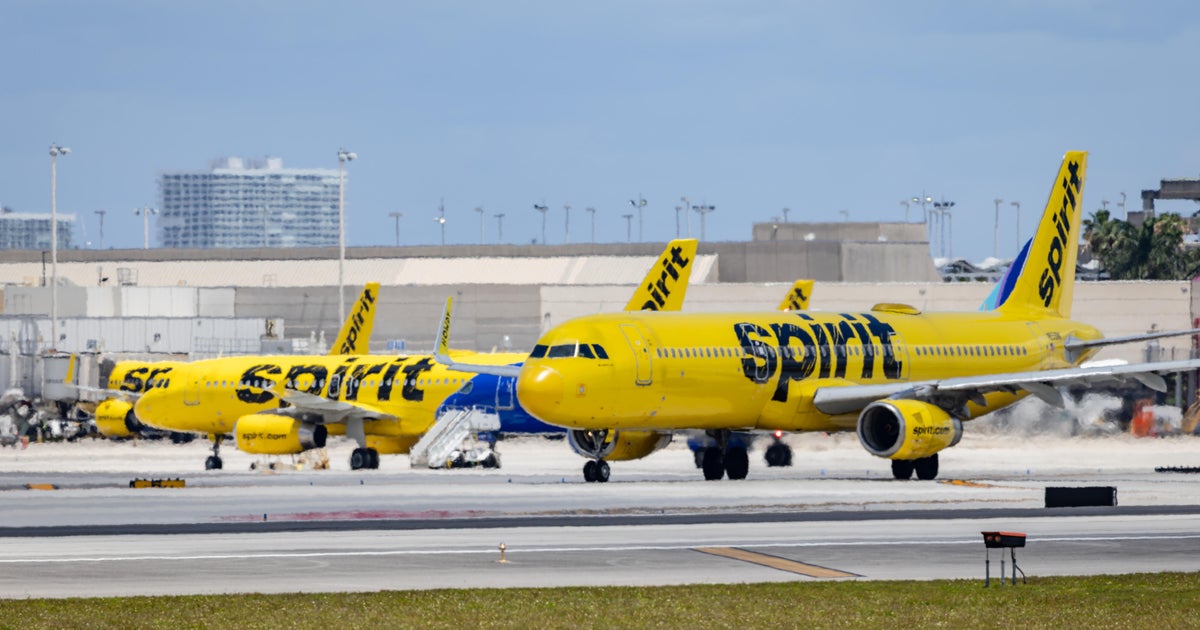
Spirit Airlines’ shutdown closes a colorful chapter in American aviation history that stretched back more than four decades. The airline’s story began in 1983 when it was spun off from a trucking company, initially operating under the name Charter One with modest ambitions. The company rebranded as Spirit Airlines in 1992 and began expanding its fleet and route network across the United States. But it was the company’s pivot in 2007 to an ultra-low-cost, “no frills” business model that truly defined Spirit’s identity and made it both beloved and reviled by travelers. Spirit became famous—or infamous, depending on your perspective—for stripping away virtually every amenity traditionally included in airfare, charging separately for everything from carry-on bags to seat selection to drinks and snacks. This approach allowed Spirit to advertise eye-catching base fares that sometimes cost less than a tank of gas, attracting price-conscious travelers willing to tolerate cramped seats, bare-bones service, and additional fees for anything beyond the most basic transportation. The airline’s bright yellow planes became instantly recognizable at airports across the country, serving more than 40 U.S. cities with Fort Lauderdale-Hollywood International Airport in Florida as its primary hub, along with international routes throughout the Caribbean and Central and South America. For millions of budget-conscious travelers, particularly families and young people for whom cost was the paramount concern, Spirit provided access to air travel that might otherwise have been financially out of reach.
What Spirit’s Failure Means for Travelers and the Industry
The sudden disappearance of Spirit Airlines from the aviation landscape creates immediate chaos for travelers and raises longer-term questions about the future of budget air travel in America. In the short term, thousands of passengers found themselves stranded or scrambling to make alternative arrangements, often at significantly higher costs since Spirit’s rock-bottom fares have now vanished from the market. The airline industry as a whole faces mounting pressures from rising energy costs that are forcing carriers across the board to raise ticket prices and cut routes that don’t generate sufficient profits. With Spirit gone, the remaining airlines—particularly other budget carriers like Frontier and Allegiant—may feel less competitive pressure to keep fares at rock-bottom levels, potentially leading to higher prices for cost-conscious consumers. The loss of Spirit also means reduced flight options and frequencies to many of the destinations the airline served, particularly in Florida, the Caribbean, and Latin America where Spirit had a significant presence. For airline employees, Spirit’s shutdown represents the loss of approximately 7,500 jobs at a time when the aviation industry is still recovering from earlier disruptions. Some of these workers, particularly pilots and flight attendants, may find positions with other carriers, but many face uncertain futures.
Looking Back and Moving Forward
In his final statement as CEO, Dave Davis acknowledged the tireless efforts to save Spirit, noting that “in March 2026, we reached an agreement with our bondholders on a restructuring plan that would have allowed us to emerge as a go-forward business.” However, he admitted that “the sudden and sustained rise in fuel prices in recent weeks ultimately has left us with no alternative but to pursue an orderly wind-down of the Company.” Davis also expressed gratitude to the Trump administration and Commerce Secretary Howard Lutnick for “their extraordinary efforts to try to preserve jobs and service across the country,” even though those efforts ultimately proved insufficient. Spirit’s collapse serves as a sobering reminder of how quickly circumstances can change in the airline industry, where thin profit margins, high fixed costs, and vulnerability to external shocks like fuel price spikes create a precarious business environment even in the best of times. The airline’s story also highlights the challenges of the ultra-low-cost carrier model, which depends on operating efficiencies and high aircraft utilization rates to make money on extremely cheap fares. When external pressures like fuel costs spike dramatically or when demand softens, these airlines have very little cushion to absorb the shock. As the aviation industry moves forward without Spirit, travelers will need to adjust to a marketplace with one fewer option for rock-bottom fares, while industry analysts will debate whether Spirit’s business model was fundamentally flawed or whether the airline simply faced an unprecedented combination of challenges that no carrier could have survived.