


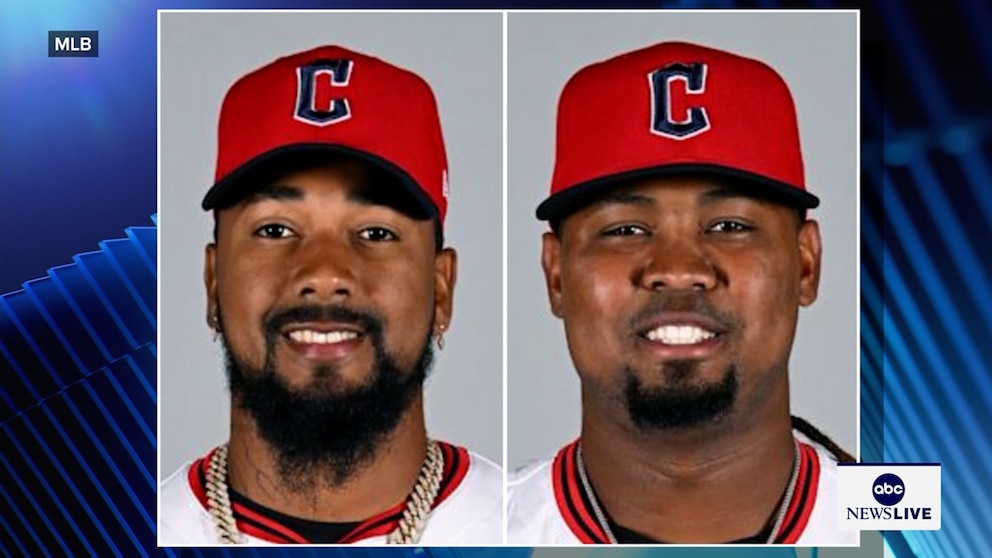

Cleveland Guardians Pitchers Face Federal Charges in Shocking Sports Gambling Scandal
The Unfolding of a Major League Betrayal
In a development that has sent shockwaves through the baseball world, two Cleveland Guardians pitchers, Luis Leandro Ortiz and Emmanuel Clase, found themselves at the center of a federal investigation that strikes at the very heart of America’s pastime. Federal prosecutors have brought forward serious allegations that these professional athletes conspired with sports bettors to deliberately manipulate the pitches they threw during actual Major League Baseball games. The indictment, announced in November 2025, represents one of the most significant gambling-related scandals to hit professional baseball in decades, raising uncomfortable questions about the integrity of the sport and the vulnerability of modern athletics to corruption. For fans of the Cleveland Guardians and baseball enthusiasts everywhere, this news comes as a devastating blow, challenging the fundamental assumption that the games they watch are being played fairly and honestly by athletes committed to legitimate competition.
The allegations against Ortiz and Clase are particularly troubling because they involve active manipulation of game outcomes, not merely betting on games or sharing inside information. According to federal prosecutors, these players allegedly entered into agreements with sports bettors to intentionally throw pitches in specific ways that would affect betting outcomes. This type of conspiracy represents a premeditated breach of trust that goes far beyond poor performance or a bad day on the mound. The fact that two players from the same team have been implicated together suggests a level of organization and coordination that makes the alleged scheme even more disturbing. Baseball has long prided itself on being a clean sport, especially following the implementation of strict anti-gambling policies and the lessons learned from historical scandals. This case threatens to undermine that carefully cultivated image and could have lasting repercussions for how fans view the authenticity of the games they love.
Understanding the Gravity of the Allegations
The charges against these two pitchers represent more than just individual wrongdoing—they strike at the foundation of competitive sports integrity. When athletes conspire to fix outcomes, whether entire games or specific aspects of play, they fundamentally betray everyone involved in the sport: their teammates who are competing honestly, the coaching staff who are strategizing to win, the organization that employs them, and most importantly, the fans who invest their time, emotions, and money into following their team. The specifics of how pitches might be rigged can vary, but federal prosecutors likely have evidence that Ortiz and Clase agreed to throw pitches in predetermined locations or with certain characteristics that would affect specific betting markets. Modern sports gambling has evolved far beyond simple bets on which team wins or loses; bettors can now wager on incredibly specific outcomes, such as whether a particular pitch will be a ball or strike, what type of pitch will be thrown, or whether a certain at-bat will result in a hit. This granularity creates numerous opportunities for corruption but also makes such schemes potentially easier to detect through statistical analysis.
The involvement of Emmanuel Clase is particularly significant given his status as one of the elite closers in baseball. Clase, who has been one of the most dominant relief pitchers in recent years, holds tremendous responsibility in high-leverage situations where games are often decided. If the allegations are proven true, it would mean that some of the most critical moments in Guardians games may have been compromised by a player who was supposed to be their last line of defense. Luis Leandro Ortiz, while perhaps less well-known to casual fans, is nonetheless a professional athlete who has reached the pinnacle of his sport and who likewise had a responsibility to compete with integrity. The fact that these allegations involve not one but two players from the same pitching staff raises questions about how widespread this problem might be and whether other players or teams could be involved. Federal investigators typically build cases methodically, and the announcement of these indictments may represent just the tip of the iceberg in a broader investigation into sports gambling corruption.
The Legal and Professional Consequences at Stake
The federal charges these players face carry severe potential consequences that extend far beyond their baseball careers. Sports gambling-related fraud falls under several federal statutes, including wire fraud, conspiracy, and potentially violations of the Sports Bribery Act, which makes it a federal crime to influence sporting events through bribery or other corrupt means. These are not minor infractions that might result in fines or brief suspensions; they are serious felonies that could result in substantial prison time if convictions are obtained. Federal prosecutors typically only bring indictments when they believe they have strong evidence, which often includes communications between the defendants and their co-conspirators, financial records showing suspicious transactions, and statistical analysis demonstrating anomalous performance patterns. The fact that these charges have been filed publicly indicates that investigators have likely spent months or even years building their case, collecting evidence, and potentially securing cooperation from witnesses or other participants in the alleged scheme.
Beyond the criminal legal jeopardy, Ortiz and Clase face the complete destruction of their professional baseball careers. Major League Baseball maintains extremely strict policies against gambling, and any player found to have participated in fixing games or game elements faces permanent banishment from the sport. The most famous historical example is Pete Rose, who was permanently banned for betting on baseball games, even though he never faced criminal charges and claimed he only bet on his own team to win. What Ortiz and Clase are alleged to have done is far more serious—actively manipulating play to benefit bettors—and would almost certainly result in lifetime bans if proven. The Cleveland Guardians organization will also face difficult decisions about how to handle these players while the legal process unfolds. While the American justice system presumes innocence until guilt is proven, the team may place the players on administrative leave or take other actions to protect the integrity of their roster and the confidence of their fanbase. The players’ union will likely provide legal support and ensure that their contractual rights are protected during this process, but the court of public opinion has often proven less forgiving than actual courtrooms.
The Broader Impact on Baseball and Sports Betting
This scandal erupts at a particularly sensitive time for professional sports and their relationship with gambling. In recent years, following a Supreme Court decision that allowed states to legalize sports betting, Major League Baseball and other professional leagues have embraced partnerships with gambling companies, seeing them as lucrative revenue sources and ways to increase fan engagement. Sports betting advertisements now saturate game broadcasts, stadiums feature sports betting lounges, and official league partnerships with betting companies have become commonplace. This normalization of sports gambling has brought concerns from critics who warned that increased accessibility and promotion of betting would inevitably lead to increased corruption risks. While leagues have implemented various safeguards, including monitoring systems to detect unusual betting patterns and education programs for players and staff about the dangers and prohibitions around gambling, this case demonstrates that those measures may not be sufficient to prevent determined individuals from attempting to profit illegally.
The timing and visibility of this case will likely prompt baseball and other sports leagues to reevaluate and strengthen their anti-corruption protocols. Enhanced monitoring of player communications, more sophisticated statistical analysis to identify suspicious performance patterns, stricter limitations on player interactions with individuals involved in the gambling industry, and more comprehensive education about the severe consequences of gambling-related violations may all become part of the league’s response. There may also be renewed debate about whether professional sports organizations have become too cozy with the gambling industry, prioritizing short-term revenue over long-term integrity concerns. For sports bettors themselves, this case serves as a reminder that the markets they’re participating in may be vulnerable to manipulation by insiders, which should give pause to anyone wagering significant sums on specific game outcomes or prop bets that could be influenced by individual players. The fantasy sports industry, which has also grown explosively and often involves similar types of prop bets based on player performance, may face similar scrutiny and concerns about integrity.
The Human Element: Understanding How Athletes Fall into Corruption
While the allegations against Ortiz and Clase are serious and the potential betrayal of fans is real, it’s worth considering the human factors that lead professional athletes to risk everything for illegal gambling schemes. Major League Baseball players, even those not earning superstar salaries, are compensated handsomely for their work, making the financial motivation less obvious than it might be in other contexts. However, professional athletes often face unique pressures and vulnerabilities. Some come from backgrounds of significant economic hardship and may struggle with sudden wealth and the responsibilities it brings. Others may develop gambling problems themselves, leading to debts that seem insurmountable despite their high incomes. Social pressures, including manipulation by sophisticated criminals who specifically target athletes, can also play a role. Some athletes may be approached by individuals from their communities or social circles whom they trust, not fully understanding that they’re being drawn into criminal activity until they’re already implicated.
The culture of professional sports can also create conditions where poor decisions become more likely. Young athletes are often insulated from normal life experiences, surrounded by people who cater to their needs and shield them from consequences. This can result in a sense of invulnerability or a failure to fully grasp the seriousness of certain actions. Additionally, the intense pressure to perform, job insecurity (given that careers can end suddenly due to injury or performance decline), and the knowledge that their earning window is relatively short might make some players more susceptible to schemes that promise quick financial gains. None of these factors excuse the alleged behavior of Ortiz and Clase, but understanding the psychology and circumstances that lead to such decisions is important for developing better preventive measures. Sports organizations, players’ unions, and athlete support programs need to provide better financial education, mental health support, and clear education about the severe consequences of gambling-related violations. Creating an environment where players feel comfortable reporting approaches from individuals seeking to compromise games is also crucial for protecting the integrity of sports.
Looking Forward: Implications for the Game and Its Fans
As this case proceeds through the legal system, the baseball world will be watching closely to see what evidence emerges and how justice is served. For Cleveland Guardians fans, this represents a painful moment that will require processing feelings of betrayal and disappointment. The team will need to demonstrate decisive action to show that integrity matters more than short-term competitive concerns, even if that means losing talented players from their roster. The broader baseball community must engage in honest conversations about vulnerabilities in the sport’s relationship with gambling and what additional protections need to be implemented. This may be an uncomfortable reckoning, particularly for league officials who have championed partnerships with gambling companies, but it’s a necessary one if the sport is to maintain its credibility with fans.
Ultimately, the integrity of sports depends on fans’ belief that what they’re watching is authentic competition between athletes giving their best effort to win. When that belief is undermined, everything else—the statistics, the history, the emotional investment—becomes questionable. The allegations against Luis Leandro Ortiz and Emmanuel Clase, if proven true, represent a serious violation of that trust. The legal process will determine their guilt or innocence, but regardless of the outcome in court, this case has already inflicted damage on baseball’s reputation and Cleveland’s franchise. Moving forward, the sport must learn from this incident, strengthen its defenses against corruption, and recommit to the fundamental principle that games must be decided by athletic competition, not by secret arrangements with gamblers. Only by taking this scandal seriously and implementing meaningful reforms can baseball hope to restore and maintain the trust of its fans, who deserve to know that the game they love is being played honestly by athletes who respect the privilege of competing at the highest level.