
Kansas Star Darryn Peterson’s Availability Raising NCAA Concerns
The Rising Controversy Around College Basketball’s Newest Phenom
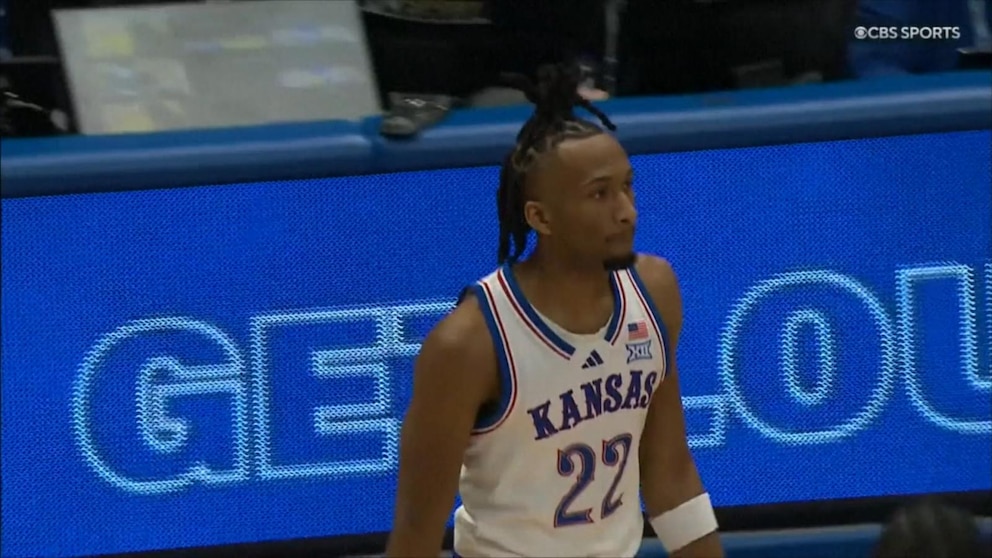
The college basketball world is buzzing with uncertainty surrounding Kansas Jayhawks freshman sensation Darryn Peterson, whose playing status has become a subject of intense scrutiny and NCAA investigation. Peterson, one of the most highly touted recruits in recent memory, has found himself at the center of a controversy that could have significant implications not just for his career, but for the entire landscape of college athletics. The five-star guard’s situation highlights the ongoing tensions between traditional NCAA amateurism rules and the new era of Name, Image, and Likeness (NIL) deals that have transformed college sports. As Kansas prepares for crucial conference matchups and tournament play, the question of whether Peterson will be eligible to continue playing has become a pressing concern for fans, coaches, and college basketball analysts alike. The situation represents yet another challenge for the NCAA as it attempts to navigate the murky waters of student-athlete compensation in an era where the old rules no longer seem to apply but new, clear guidelines haven’t been fully established.
Peterson’s Journey to Lawrence and His Impact on the Court
Darryn Peterson arrived at Kansas with enormous expectations, having been ranked as one of the top prospects in the 2024 recruiting class. The 6-foot-5 guard from Ohio committed to Kansas over numerous other prestigious programs, choosing to play for legendary coach Bill Self and the storied Jayhawks program. Since arriving in Lawrence, Peterson has not disappointed on the court, showcasing the dynamic scoring ability, defensive prowess, and basketball IQ that made him such a coveted recruit. His explosive athleticism and ability to create his own shot have made him an immediate contributor to a Kansas team with championship aspirations. Peterson’s performances have drawn comparisons to some of the great one-and-done players who have come through the college game, and many NBA draft analysts already project him as a potential lottery pick when he eventually declares for the professional ranks. His impact extends beyond statistics; he’s brought an energy and competitiveness that has elevated his teammates and excited the passionate Kansas fanbase. However, all of this potential and production now hangs in the balance as questions about his eligibility threaten to sideline one of college basketball’s brightest young stars during what could be his only season at the collegiate level.
The NIL Deal at the Heart of the Investigation
At the center of the controversy is a Name, Image, and Likeness deal that Peterson reportedly signed, which has raised red flags with the NCAA compliance office. While NIL agreements have been permitted since July 2021, allowing college athletes to profit from their fame and marketability, the NCAA has maintained certain restrictions designed to prevent these deals from becoming improper inducements or pay-for-play arrangements. According to sources familiar with the situation, Peterson’s NIL arrangement may have been structured in a way that violates NCAA guidelines, potentially offering compensation that was contingent upon his enrollment at Kansas or his on-court performance. The specific details of the deal remain confidential, but the investigation appears to focus on whether the agreement was made before Peterson officially enrolled at Kansas and whether it violated rules against boosters providing improper benefits to prospective student-athletes. This case underscores the complexity of the current NIL landscape, where athletes, schools, and businesses are all trying to operate within guidelines that many consider vague and inconsistent. The timing of when NIL deals are negotiated and finalized has become particularly sensitive, as the NCAA attempts to maintain a distinction between legitimate marketing opportunities and recruitment inducements disguised as NIL agreements.
The NCAA’s Struggle to Enforce Rules in the NIL Era
The Peterson case exemplifies the broader challenges the NCAA faces in enforcing its regulations in an environment that has been fundamentally transformed by NIL opportunities. Since the Supreme Court’s decision in NCAA v. Alston and subsequent policy changes allowing NIL compensation, the college sports landscape has changed dramatically, with athletes now signing endorsement deals worth hundreds of thousands or even millions of dollars. However, the NCAA has struggled to create clear, enforceable guidelines that distinguish between legitimate NIL activities and violations of amateurism principles. The organization’s attempts to police NIL deals have been inconsistent, leading to frustration among schools, athletes, and industry observers who point to what they perceive as selective enforcement and unclear standards. Some critics argue that the NCAA is trying to maintain control over a system that has already fundamentally changed, clinging to outdated notions of amateurism in an era where college athletes generate billions of dollars for their schools and conferences. Others contend that without some regulatory framework, college sports will devolve into a Wild West scenario where the wealthiest programs can essentially purchase talent through NIL collectives and boosters. The Peterson investigation represents a test case for how the NCAA will handle these competing interests and whether it can effectively govern college athletics in this new era.
Implications for Kansas and the Broader College Basketball Landscape
For the Kansas Jayhawks, Peterson’s potential ineligibility would be a devastating blow to their championship aspirations. The team has built its game plan around Peterson’s talents, and losing him would require significant adjustments to rotations, offensive schemes, and defensive strategies. Beyond the immediate on-court impact, the situation creates uncertainty and distraction at a crucial point in the season, when teams need focus and cohesion to succeed in conference play and the NCAA Tournament. Coach Bill Self, who has navigated numerous challenges throughout his Hall of Fame career, now faces the delicate task of preparing his team for both scenarios—with and without Peterson—while also managing the media attention and recruiting implications of the investigation. The broader college basketball community is watching closely because the outcome could set important precedents for how NIL violations are handled going forward. If Peterson is ruled ineligible, it could have a chilling effect on certain types of NIL arrangements and force boosters and collectives to restructure how they approach deals with athletes. Conversely, if he’s cleared to play, it might embolden programs to push the boundaries of what’s permissible even further. The case also raises questions about competitive equity in college sports, as programs with wealthier boosters and more sophisticated NIL infrastructures may have advantages in recruiting that extend beyond traditional factors like coaching, facilities, and tradition.
Looking Ahead: Peterson’s Future and the Evolution of College Athletics
As the investigation continues, Darryn Peterson’s immediate future remains uncertain, but his situation has already become a defining moment in the ongoing evolution of college athletics. Regardless of the outcome, Peterson’s NBA prospects likely remain strong—teams drafting in the lottery won’t be significantly deterred by NCAA eligibility issues, especially if they believe any violations were technical rather than ethical in nature. However, an extended period of ineligibility could affect his draft stock by limiting his opportunity to showcase his skills against top competition and develop his game at the collegiate level. Beyond Peterson’s individual circumstances, this case will likely accelerate conversations about the need for clearer, more comprehensive regulations governing NIL activities. Many stakeholders in college sports, including coaches, athletic directors, and even some NCAA officials, have called for federal legislation to create uniform standards that would replace the current patchwork of state laws and NCAA policies. There’s also growing momentum behind proposals to formally recognize athletes as employees or to create revenue-sharing models that would acknowledge the commercial reality of big-time college sports. Peterson’s situation serves as a reminder that the current system, cobbled together from court decisions, emergency policies, and evolving state laws, is unsustainable and often unfair to the athletes it’s supposed to serve. As college athletics continues its transformation from an amateur enterprise to an increasingly professionalized industry, cases like this will continue to emerge, forcing all involved to confront difficult questions about fairness, compensation, and the fundamental nature of college sports. The resolution of Darryn Peterson’s eligibility may answer some immediate questions, but it will undoubtedly raise many more about where college athletics is headed in the years to come.