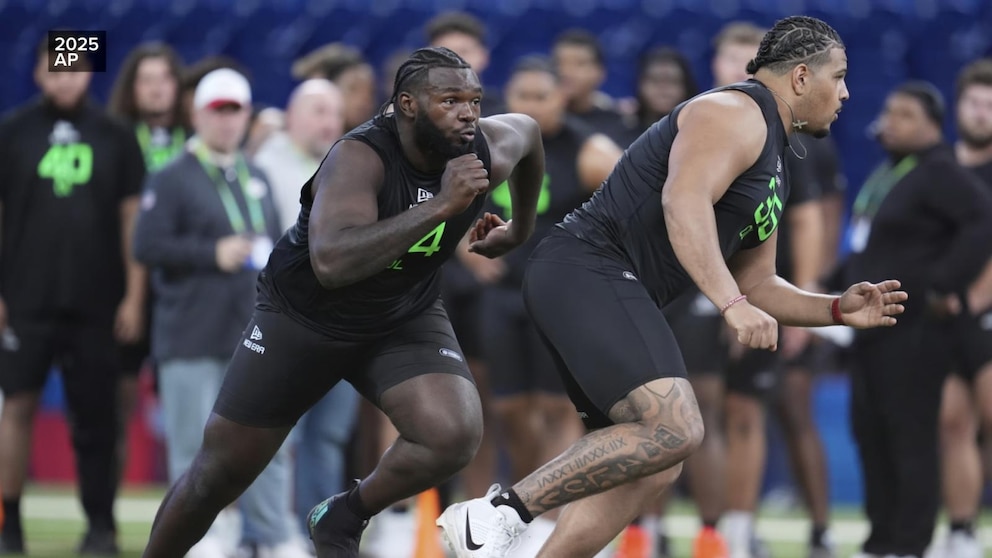

NFL Combine Underway with Scouts Eyeing Top Prospects
The Annual Evaluation Event Takes Center Stage
The NFL Scouting Combine has officially kicked off, bringing together the most promising college football talent and professional scouts under one roof in what has become one of the most anticipated events on the football calendar. This week-long showcase in Indianapolis represents a crucial stepping stone for young athletes hoping to hear their names called during the upcoming NFL Draft. For scouts, general managers, and coaching staffs from all 32 NFL teams, it’s an invaluable opportunity to get up close and personal with the next generation of professional football players. The combine serves as more than just a physical evaluation; it’s a comprehensive assessment that examines every aspect of what makes a successful NFL player, from raw athletic ability to mental acuity and character. The atmosphere is electric with possibility as hundreds of prospects arrive with dreams of professional stardom, while team representatives carry the weight of making multi-million dollar decisions that could shape their franchises for years to come.
Every year, the combine produces its share of surprises – relatively unknown players who shoot up draft boards with exceptional performances, and highly-touted prospects who stumble under the intense scrutiny. The event has evolved significantly since its inception, transforming from a simple measurement session into a full-scale production that captivates football fans across the nation. Media coverage has expanded exponentially, with every bench press repetition, 40-yard dash time, and interview snippet analyzed and debated ad nauseam. For the athletes, it represents both an opportunity and a challenge unlike anything they’ve experienced in their college careers. The pressure is immense, knowing that a few tenths of a second or a couple of inches on a vertical jump could mean the difference between being a first-round selection and sliding into later rounds, potentially costing them millions of dollars in guaranteed money.
Physical Testing Reveals Athletic Prowess and Potential
The most visible and widely discussed aspect of the NFL Combine is undoubtedly the physical testing, where prospects put their athletic abilities on full display through a series of standardized drills and measurements. The iconic 40-yard dash often steals the spotlight, with scouts and fans alike obsessing over times that can make or break a player’s draft stock in mere seconds. This year’s combine has already produced several eye-popping performances in the speed department, with defensive backs and wide receivers posting blazing times that have scouts buzzing about game-breaking potential. However, experienced evaluators know that the 40-yard dash is just one piece of a much larger puzzle. The three-cone drill and shuttle run provide insights into a player’s agility and ability to change direction – crucial attributes for positions that require sudden movements and quick reactions. The vertical jump and broad jump measure explosive power, indicating how well a player can elevate for contested catches or leap over blockers at the line of scrimmage.
Strength testing, particularly the bench press where players lift 225 pounds for as many repetitions as possible, offers a window into a prospect’s upper body power and conditioning. Offensive and defensive linemen typically dominate this particular drill, with some managing to pump out more than 30 repetitions, demonstrating the raw strength necessary to win battles in the trenches. Position-specific drills add another layer of evaluation, allowing scouts to see how prospects perform the actual techniques they’ll need to execute on Sundays. Quarterbacks throw to unfamiliar receivers, showcasing arm strength, accuracy, and mechanics. Wide receivers run routes and catch passes, demonstrating their hands, footwork, and ability to create separation. Defensive players show off their ability to drop into coverage, rush the passer, or shed blocks, giving teams a glimpse of their technical proficiency. What makes these drills particularly revealing is that they occur in a controlled environment, stripped of the chaos and variables present in actual game situations. This allows scouts to isolate specific skills and make direct comparisons between prospects who may have played in vastly different systems or levels of competition during their college careers.
Medical Evaluations and Interviews Provide Crucial Context
Beyond the physical spectacle that captures headlines and social media attention, some of the combine’s most important work happens away from the cameras in medical examination rooms and interview spaces. The medical evaluation process is exhaustive and thorough, with team doctors and trainers putting prospects through comprehensive physical examinations that would make a typical annual checkup seem cursory by comparison. Every old injury is documented, every joint is tested for range of motion and stability, and imaging studies reveal the current state of the wear and tear these young athletes have already accumulated. For teams, this medical information is absolutely critical because drafting a player with significant injury concerns represents an enormous risk. A prospect who dominated on the field but has questionable knees, shoulders, or a concussion history might see his draft position plummet based solely on medical red flags. Teams have very different risk tolerances and medical philosophies, which explains why some players with health concerns still get selected highly by organizations confident in their medical staff’s ability to manage those issues.
The interview process represents the combine’s most important and least visible component. Teams get limited time to sit down with prospects in formal interview settings, asking questions designed to assess intelligence, football knowledge, work ethic, character, and cultural fit. Some teams employ psychologists and use personality assessments to build comprehensive psychological profiles. They want to know how players handle adversity, how coachable they are, whether they’re team-oriented or selfish, and if they possess the mental makeup to handle the pressures and temptations that come with NFL fame and fortune. Scouts dig into a player’s background, looking for patterns of behavior that might indicate future problems or, conversely, the kind of leadership and dedication that elevates entire rosters. A poor interview can seriously damage a prospect’s stock, while an impressive showing in the meeting room can boost confidence that a player will be able to handle the mental aspects of professional football. Teams also conduct informal evaluations, observing how prospects interact with others during downtime, how they present themselves, and whether they display professionalism throughout the week-long process.
Top Prospects Drawing the Most Attention
This year’s combine features several prospects who have captured the imagination of scouts and fans alike, players whose combination of college production and physical tools has them positioned as potential franchise-changers. At the quarterback position, which always receives outsized attention given the importance of the position in modern football, several signal-callers are working to prove they have what it takes to lead an NFL offense. These quarterbacks face intense scrutiny of their throwing mechanics, decision-making abilities, and leadership qualities, knowing that teams picking at the top of the draft are often doing so precisely because they need to solve their quarterback situation. The margin for error is razor-thin, as the history of the NFL is littered with highly-drafted quarterbacks who couldn’t make the transition to the professional level.
On the defensive side of the ball, edge rushers with rare physical gifts have scouts salivating over their potential to terrorize opposing quarterbacks for the next decade. The modern NFL places enormous value on players who can consistently pressure the quarterback, and prospects who combine size, speed, and technique at the edge defender position invariably hear their names called early in the draft. This year’s class includes several such players who have demonstrated productive college careers and possess the measurables that suggest even greater things at the next level. Meanwhile, offensive and defensive linemen – the big men in the trenches who often determine the outcome of games without receiving corresponding attention – are putting their power and technique on display. Teams know that championships are built from the lines of scrimmage outward, making these less glamorous positions actually among the most important to evaluate correctly. Skill position players, including running backs, wide receivers, and defensive backs, are also turning heads with spectacular testing numbers and smooth position drills that showcase the speed and athleticism that make highlight reels.
How Combine Performances Impact Draft Positioning
The relationship between combine performance and draft position is complex and sometimes controversial among football analysts and fans. There’s no question that an exceptional showing in Indianapolis can boost a player’s stock significantly, turning a mid-round projection into a potential first-round selection seemingly overnight. Teams that might have been lukewarm about a prospect can suddenly become enamored after seeing elite testing numbers that suggest untapped potential. Conversely, a disappointing combine performance can raise doubts and cause a player to slide down draft boards, particularly if the poor showing confirms concerns that already existed in scouts’ minds. However, experienced evaluators caution against over-weighting combine results at the expense of what players actually accomplished on the football field during their college careers. Game film remains the most important evaluation tool because it shows how players actually perform in real football situations against real competition, something that sterile combine drills cannot replicate.
The challenge for teams is integrating combine data with game film, college production statistics, character evaluations, and medical information to form a complete picture of each prospect. Some players are exceptional athletes who test brilliantly but have never translated that athleticism into consistent on-field production – these are the “workout warriors” that teams must be careful not to overvalue. Other players might not post eye-popping combine numbers but demonstrate on tape the instincts, technique, and competitive fire that make them successful football players regardless of their measurables. The best prospects typically combine both elements: strong college production backed by impressive physical testing that confirms their athletic gifts and suggests they’ll be able to compete against faster, stronger NFL competition. Teams also consider the trajectory of prospects, looking for players who have shown steady improvement and appear to be still developing rather than those who might have already reached their ceiling. The combine provides one more data point in this complex evaluation process, important but not definitive.
The Road Ahead to Draft Day
As the combine concludes, the evaluation process is far from over for NFL teams preparing for the draft. The information gathered in Indianapolis will be analyzed exhaustively in the weeks ahead, with scouts and front office personnel reviewing every data point, interview note, and medical report. Teams will host prospects for individual visits, conducting additional interviews and workouts in their own facilities where they can evaluate players in more controlled settings and get a better feel for how they might fit into their specific schemes and cultures. College pro days will provide another opportunity to see prospects work out, often in more comfortable and familiar surroundings that can lead to better performances than the high-pressure combine environment.
Draft boards will be shuffled and reshuffled countless times between now and draft day as teams weigh all the available information and debate the relative merits of different prospects. Coaches will advocate for players who fit their systems, scouts will champion prospects they’ve developed relationships with, and general managers will make final decisions balancing immediate needs against long-term value. The combine represents a crucial chapter in this process, a week when the future of franchises begins to take shape based on how quickly young men can run, how high they can jump, and how well they answer questions in interview rooms. For the prospects, it’s a whirlwind experience that will shape the rest of their lives, determining not just where they’ll play professional football but also the financial security they’ll enjoy for generations to come.