

Countdown to the 2026 Pro Bowl: Everything You Need to Know About the NFL’s All-Star Celebration
The Evolution of Football’s Biggest All-Star Event
The Pro Bowl has been a cornerstone of American football culture for decades, serving as the NFL’s annual all-star game where the league’s best players come together to showcase their talents. As we look ahead to the 2026 Pro Bowl, excitement is already building among fans, players, and franchises alike. This beloved event has undergone significant transformations in recent years, evolving from a traditional tackle football game to a reimagined skills competition and flag football format that prioritizes player safety while maintaining competitive excitement. The changes have breathed new life into what some critics had labeled as a lackluster exhibition, transforming it into a week-long celebration of football excellence that engages fans in innovative ways. The 2026 edition promises to continue this evolution, potentially introducing new elements that blend traditional football appreciation with modern entertainment values. For players, being selected to the Pro Bowl remains one of the highest honors in professional football, a recognition that can impact contract negotiations, Hall of Fame considerations, and a player’s legacy long after their playing days are over. As the countdown to 2026 begins, the anticipation centers not just on who will be selected, but on how the event itself will continue to adapt to the changing landscape of professional sports entertainment.
Player Selection Process and What It Means for 2026
The Pro Bowl selection process is a comprehensive system that combines fan voting, player peer recognition, and coach evaluations to determine which athletes deserve the honor of representing their conference. For the 2026 Pro Bowl, this multi-tiered approach will once again ensure that the selections reflect a balanced perspective on player performance throughout the 2025 season. Fans across the country and around the world will cast millions of votes for their favorite players, making their voices heard in determining who takes the field. This democratic element of the selection process creates tremendous engagement, as supporters rally behind their team’s stars and debate the merits of various candidates across social media platforms and sports talk shows. Meanwhile, the players themselves vote for the opponents they respect most, providing an insider’s perspective on who truly dominates on the field week after week. Coaches round out the voting process, offering their professional assessments based on game film study and firsthand competition experience. This triangulated approach helps ensure that popularity alone doesn’t determine selection, though it certainly plays a role. For players, making the Pro Bowl can mean significant financial bonuses written into their contracts, increased endorsement opportunities, and the validation that comes with peer recognition. Young players breaking into the Pro Bowl for the first time often see it as confirmation that they’ve reached elite status, while veterans collecting multiple selections build Hall of Fame résumés. As we count down to 2026, current players are already thinking about what they need to accomplish in the 2025 season to earn that coveted selection.
Location, Timing, and the Host City Experience
While the specific location for the 2026 Pro Bowl hasn’t been officially announced as of now, the selection of a host city is always a major decision that impacts the entire event’s atmosphere and accessibility. Historically, the Pro Bowl has found a comfortable home in warm-weather destinations, with Orlando, Florida, serving as a frequent host in recent years, and Hawaii holding the event for decades before that. The choice of location affects not only the players and their families who gather for the celebration but also the thousands of fans who travel to experience the festivities in person. A great Pro Bowl host city offers perfect weather conditions during what is typically late January or early February, world-class hotels and entertainment options for visitors, and football facilities that can accommodate both the practices and the actual event. The host city also benefits tremendously from the economic impact of welcoming NFL fans, media personnel, corporate sponsors, and the football infrastructure that descends for Pro Bowl week. Local businesses, from restaurants to tourist attractions, experience a significant boost during this period. Beyond the economic considerations, hosting the Pro Bowl brings prestige and national attention to a city, showcasing its ability to manage major sporting events. The week leading up to the Pro Bowl typically features numerous activities beyond the game itself, including youth football clinics, autograph sessions, sponsor events, and parties that transform the host city into football’s temporary capital. For fans who attend, the Pro Bowl experience is about much more than the game itself—it’s about celebrating football culture, potentially meeting favorite players, and creating lasting memories in a festive, vacation-like atmosphere.
The New Format and What Makes Modern Pro Bowl Different
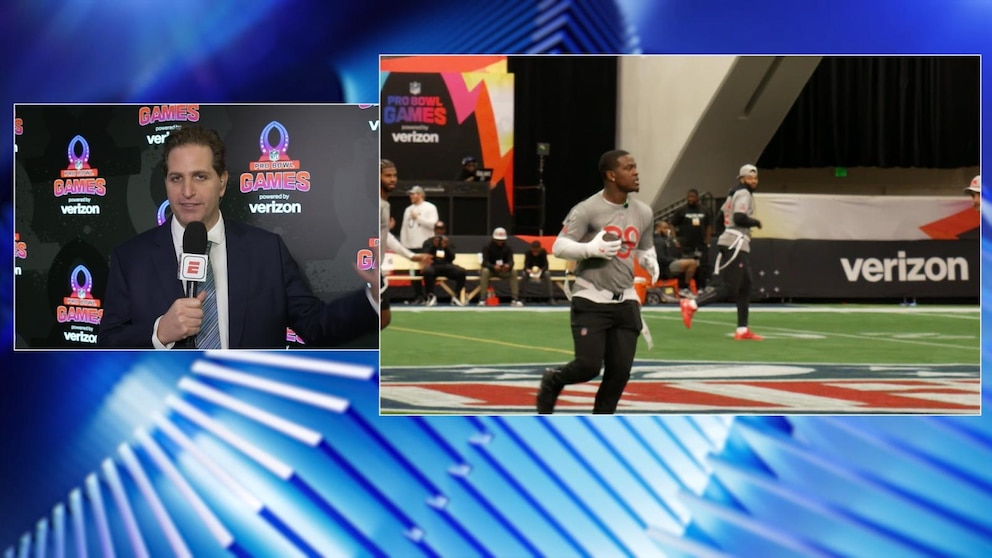
The Pro Bowl has undergone perhaps its most dramatic transformation in recent years, moving away from the traditional full-contact tackle football format that had become increasingly cautious as players understandably avoided injury risks during an exhibition game. The reimagined format embraces flag football and skills competitions, creating a different kind of excitement that emphasizes athleticism, precision, and creativity rather than physical dominance. This change addresses long-standing criticisms that the Pro Bowl had become too tentative, with players going through the motions rather than competing at full intensity. The new approach allows elite athletes to showcase their skills in ways that feel fresh and engaging while minimizing the injury risks that had made the traditional format problematic. By 2026, this format will have had several years to evolve and refine itself based on player and fan feedback, potentially incorporating new challenges and competition elements that keep the event feeling innovative. The skills competitions allow for position-specific showcases where specialists can demonstrate exactly what makes them elite—quarterbacks displaying pinpoint accuracy, receivers demonstrating route-running and hands, linemen showing their power and agility, and defensive players highlighting their athleticism and ball skills. These competitions often reveal surprising dimensions of players’ abilities that don’t always show up in regular-season games. The flag football format, meanwhile, creates a more open, offensive game with unique strategies that differ from tackle football. Players often express genuine enjoyment of this format, noting that it reminds them of their youth and the pure fun of playing football without the physical toll. For fans, the new format offers continuous action and scoring, appealing to shorter attention spans and creating more highlight-worthy moments for social media sharing. The 2026 Pro Bowl will likely continue refining this balance between honoring football tradition and embracing modern entertainment values.
Rising Stars and Veterans to Watch
As we count down to the 2026 Pro Bowl, speculation naturally turns to which players will earn selection based on their performance during the 2025 season. While it’s impossible to predict with certainty, we can identify the types of players who will likely be in the conversation. Established superstars who have dominated the Pro Bowl selection process in recent years will be looking to add to their collections—quarterbacks who have redefined the position, running backs who remain productive in an increasingly pass-heavy league, receivers who consistently produce spectacular performances, and defensive players who disrupt opposing offenses week after week. These veterans bring name recognition and proven excellence, and their presence helps market the event to casual fans. Equally exciting are the emerging talents who will be looking to break through with their first Pro Bowl selection in 2026. Every season produces breakout stars—second or third-year players who make the leap from promising prospect to established star, or veterans who finally receive recognition after years of solid but underappreciated performance. These first-time selections often generate tremendous enthusiasm, representing the NFL’s next generation of elite talent. Position battles for Pro Bowl spots create compelling storylines throughout the season, as players at the same position compete not just for victories but for individual recognition. Fans love debating whether their team’s left tackle is truly better than a conference rival’s, or which safety truly deserves selection when multiple players have strong cases. The 2026 Pro Bowl will also provide a platform for players from smaller-market teams who don’t always receive national attention during the regular season but whose excellence deserves wider recognition. For these players, Pro Bowl selection can be career-defining, elevating their profile and changing how they’re perceived across the league.
The Broader Significance and Future of the Pro Bowl
Looking toward 2026 and beyond, the Pro Bowl represents more than just an all-star game—it’s a reflection of how professional football continues to evolve and adapt to changing circumstances, audience preferences, and player needs. The event serves multiple important functions within the NFL ecosystem that ensure its continued relevance despite the challenges inherent in staging a meaningful exhibition game. For the league, the Pro Bowl provides valuable content during a period when there’s typically a gap in the football calendar, keeping fans engaged between the conference championships and the Super Bowl. It generates significant revenue through ticket sales, broadcast rights, and sponsorship deals, while also offering marketing opportunities to showcase the sport’s biggest stars. For players, beyond the honor and recognition, the Pro Bowl offers a unique opportunity to build relationships with teammates from other franchises, creating connections that can influence free agency decisions and foster the sense of brotherhood within the professional football community. These networking opportunities shouldn’t be underestimated in a league where players’ careers are often short and relationships matter tremendously. For fans, the Pro Bowl provides accessible, family-friendly football entertainment that’s different from the intensity of playoff football, offering a more relaxed celebration of the sport. The event also supports youth football initiatives and charitable causes in the host community, extending the NFL’s community engagement efforts. As we count down to the 2026 Pro Bowl, questions remain about how the format will continue evolving, whether new recognition categories might be added, and how technology might be integrated to enhance the fan experience both in-stadium and for those watching from home. The fundamental challenge—creating a competitive environment that engages viewers without putting players at risk—will continue to drive innovation. Whatever form it ultimately takes, the 2026 Pro Bowl will represent another chapter in the ongoing story of football’s premier all-star celebration, honoring excellence while entertaining millions of fans who simply can’t get enough of the sport they love.