


‘Hangin with Herm’: Herm Edwards Breaks Down the Past Week in the NFL
Shedeur Sanders Makes His Mark with First NFL Victory
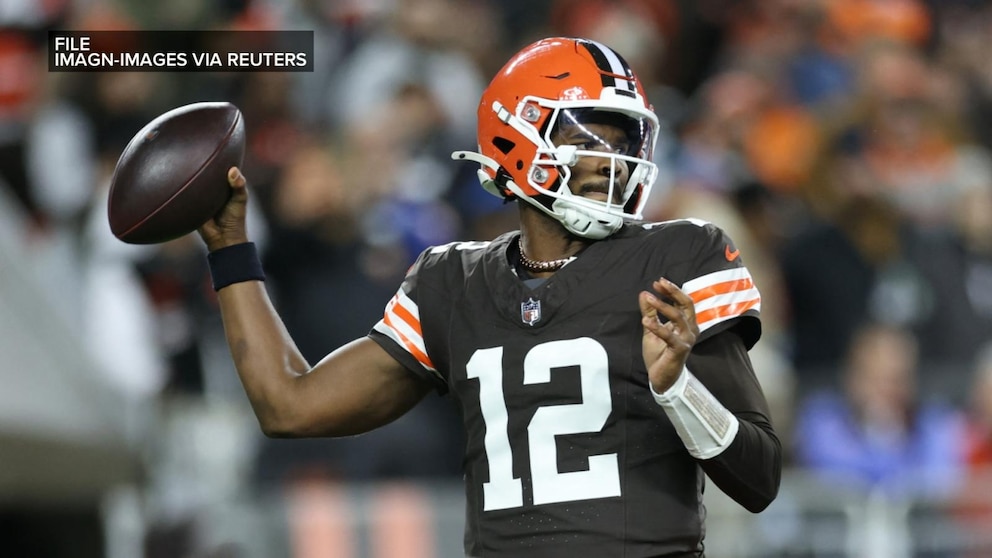
The NFL world witnessed a significant milestone this past week as Shedeur Sanders, one of the most talked-about prospects in recent years, secured his first professional victory. Former NFL coach and current ESPN analyst Herm Edwards sat down with ABC News’ Linsey Davis to discuss this momentous occasion and what it means for the young quarterback’s career trajectory. Edwards, known for his passionate coaching style and insightful football analysis, couldn’t contain his excitement about Sanders’ performance, noting that the young signal-caller displayed the kind of poise and leadership that reminds him of some of the great quarterbacks he’s coached throughout his career.
Sanders’ journey to this first win has been filled with anticipation and scrutiny, being the son of NFL legend and current college football coach Deion Sanders. The pressure on Shedeur has been immense from the moment he stepped onto an NFL field, with comparisons to his Hall of Fame father and expectations that would crush most rookies. However, Edwards emphasized that what impressed him most wasn’t just the result, but how Sanders handled adversity during the game. There were moments when things didn’t go according to plan, when the pocket collapsed, when receivers weren’t open, but Sanders showed the mental fortitude to keep fighting, to keep believing in his preparation and his teammates. Edwards pointed out that this kind of resilience can’t be taught in a classroom or on a practice field—it’s something that comes from within, from a combination of natural talent, excellent coaching, and an unwavering belief in oneself. The veteran analyst noted that Sanders’ ability to read defenses, make quick decisions under pressure, and deliver accurate passes in crucial moments showcased maturity beyond his years, suggesting that this first win might be the beginning of something special for the young quarterback and his franchise.
Three Overtime Thrillers Showcase the NFL’s Competitive Balance
The past week in the NFL was nothing short of spectacular, with three games extending into overtime and providing fans with the kind of drama and excitement that makes professional football the most-watched sport in America. Edwards broke down each of these nail-biting contests with the enthusiasm of someone who still gets butterflies thinking about the game he loves. He explained that these overtime thrillers weren’t just entertaining—they were indicative of the remarkable competitive balance that exists in today’s NFL, where on any given Sunday, any team can beat any other team if they execute their game plan and get a few bounces to go their way.
The first overtime game featured two division rivals who know each other intimately, and according to Edwards, that familiarity breeds the kind of intensity that often leads to close games. Both teams understood each other’s tendencies, knew what plays were likely to be called in certain situations, and had prepared specifically to counter their opponent’s strengths. Edwards highlighted several key plays from this matchup, including a fourth-quarter comeback that forced overtime and a controversial call that had fans and analysts debating long after the final whistle. He emphasized that in games this close, it often comes down to who makes fewer mistakes, who wins the turnover battle, and which team’s stars step up in the biggest moments.
The second overtime contest showcased two high-powered offenses that couldn’t be stopped, trading touchdowns and big plays throughout regulation before finally settling things in the extra period. Edwards was particularly impressed with the quarterback play in this game, noting that both signal-callers demonstrated excellent decision-making and arm talent, making throws that only a handful of players in the world can make. He dissected several plays where the quarterbacks had to fit balls into impossibly tight windows, showing the kind of precision and confidence that separates good quarterbacks from great ones. The third overtime game, according to Edwards, was a defensive struggle that eventually opened up, with both teams making critical adjustments at halftime that changed the entire complexion of the contest. Edwards explained that these kinds of games are chess matches, where coaches are constantly trying to outsmart each other, and players have to be smart enough to recognize what the defense is doing and adjust on the fly. The fact that all three games went to overtime in the same week, Edwards noted, is a testament to how evenly matched teams are in today’s NFL and how much parity exists across the league.
The Importance of Thanksgiving Football Tradition
As the conversation shifted to the upcoming Thanksgiving slate of NFL matchups, Edwards’ eyes lit up with the kind of nostalgia and reverence that only someone who has lived and breathed football for decades can possess. Thanksgiving and football have been intertwined in American culture for generations, and Edwards spoke eloquently about what this tradition means to players, coaches, and fans alike. He recalled his own experiences coaching on Thanksgiving, describing the unique atmosphere, the quick turnaround from the previous game, and the challenge of keeping players focused when they’d rather be home with their families enjoying turkey and stuffing.
Edwards explained that Thanksgiving games are special for several reasons. First, there’s the historical aspect—the Detroit Lions have played on Thanksgiving since 1934, and the Dallas Cowboys joined the tradition in 1966, creating an annual ritual that millions of families have incorporated into their holiday celebrations. Second, there’s the exposure factor. With most Americans off work and gathered around their televisions, Thanksgiving games attract some of the largest audiences of the entire season, giving teams and players a national stage to showcase their talents. Edwards noted that players often elevate their performance on Thanksgiving, wanting to create memorable moments that fans will talk about for years to come. He shared anecdotes about legendary Thanksgiving performances he’s witnessed or been part of, games that became instant classics and plays that are still replayed during holiday broadcasts.
But beyond the football itself, Edwards emphasized that Thanksgiving games represent something deeper about American culture—the ability to bring people together across generational, geographical, and ideological divides. In a country that can often feel divided, football on Thanksgiving provides common ground, something that families can gather around and enjoy together, creating memories that last long after the final score is forgotten. Edwards spoke about the unique challenge for coaches preparing for Thanksgiving games, including the compressed schedule, the need to give players some time with their families while also ensuring adequate preparation, and the mental aspect of keeping everyone focused and motivated during a holiday when thoughts naturally drift toward family and gratitude rather than blitz packages and route combinations.
Breaking Down This Year’s Thanksgiving Matchups
Edwards then dove into detailed analysis of each Thanksgiving matchup, offering insights that only someone with his coaching experience and football acumen could provide. For each game, he discussed the key matchups to watch, which players need to step up, what strategic adjustments he expects to see, and ultimately, what he thinks will determine the outcome. His breakdowns went beyond surface-level observations, delving into the X’s and O’s, discussing personnel groupings, coaching philosophies, and the intangible factors that often decide close games.
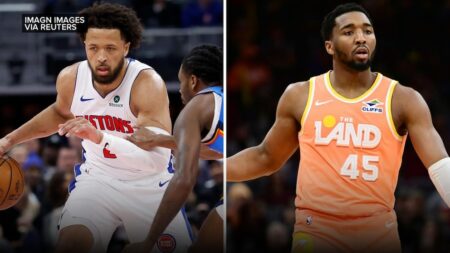
For the early game featuring the Detroit Lions, Edwards talked about the home-field advantage that playing in Detroit on Thanksgiving provides, noting that the crowd is always electric and the Lions players feed off that energy. He discussed the Lions’ offensive scheme, their playmakers on both sides of the ball, and the challenges their opponent would face trying to win in that environment on a short week. Edwards highlighted specific matchups, such as the battle in the trenches between offensive and defensive lines, which he believes will ultimately determine who controls the game. He also discussed the Lions’ coaching staff and their ability to prepare for opponents, praising their attention to detail and innovative play-calling.
The afternoon game in Dallas received similar detailed treatment, with Edwards discussing the Cowboys’ storied Thanksgiving history and the pressure that comes with playing in front of the home crowd at AT&T Stadium. He talked about the Cowboys’ offensive weapons, their defensive scheme, and the chess match between the two coaching staffs. Edwards was particularly interested in how the Cowboys would handle their opponent’s defensive front, suggesting that establishing the running game early would be crucial to opening up play-action opportunities later in the game. He also discussed the quarterback matchup, analyzing each signal-caller’s strengths and weaknesses and how their respective coaching staffs might try to exploit mismatches.
The primetime game, which has become a Thanksgiving tradition in more recent years, garnered Edwards’ attention for its potential playoff implications. He discussed how both teams desperately need a victory to stay in the postseason hunt and how that urgency would affect their play-calling and overall approach to the game. Edwards predicted that the primetime matchup would be the most competitive of the three Thanksgiving games, with both teams leaving everything on the field in front of a national audience. He broke down the key factors that would determine the outcome, including turnover margin, third-down efficiency, and which team’s stars would rise to the occasion when the lights are brightest.
The Evolution of NFL Coaching and Player Development
Throughout the interview, Edwards reflected on how the NFL has evolved during his time in and around the league, both as a coach and as an analyst. He discussed the changes in coaching philosophies, the way players are developed and prepared, and how analytics and technology have transformed every aspect of the game. Edwards noted that when he first started coaching, preparation looked completely different—film study involved actual film reels, communication with players was face-to-face rather than through text messages and apps, and game planning was done with notecards and chalkboards rather than sophisticated computer programs that can simulate any scenario imaginable.
He spoke about the increased emphasis on player safety and wellness, praising the league for taking concussions and long-term health more seriously, while also acknowledging that the game has changed in fundamental ways as a result of these rule modifications. Edwards discussed how offensive play-calling has evolved, with teams passing more than ever before and utilizing spread formations and concepts that were once relegated to college football. He also talked about defensive adjustments, noting that today’s defensive coordinators face unprecedented challenges trying to slow down these high-powered offenses while operating under rules that favor offensive players. Despite all these changes, Edwards emphasized that the fundamentals of football remain constant—blocking, tackling, catching, throwing—and that teams which execute these basics consistently will always have a chance to win, regardless of scheme or strategy.
Looking Ahead: The Playoff Picture and Season’s Final Stretch
As the conversation wound down, Edwards offered his perspective on the broader NFL landscape as teams enter the final stretch of the regular season. With Thanksgiving marking the traditional point where playoff races begin to crystallize, Edwards discussed which teams he believes are legitimate contenders and which ones are pretenders who might fade as the schedule gets tougher and the weather gets colder. He emphasized that this time of year reveals which teams have true championship character—the mental toughness to win close games, the physical toughness to withstand the accumulated bumps and bruises of a long season, and the coaching expertise to make crucial adjustments when facing elimination.
Edwards concluded by expressing his gratitude for the opportunity to remain connected to the game he loves, both through his work as an analyst and through conversations like this one that allow him to share his passion and knowledge with fans. His enthusiasm was infectious, reminding viewers why they fell in love with football in the first place and building anticipation for the Thanksgiving slate of games and the exciting final weeks of the NFL season.