
René Redzepi Steps Down from Noma Amid Abuse Allegations
A Culinary Giant Falls from Grace
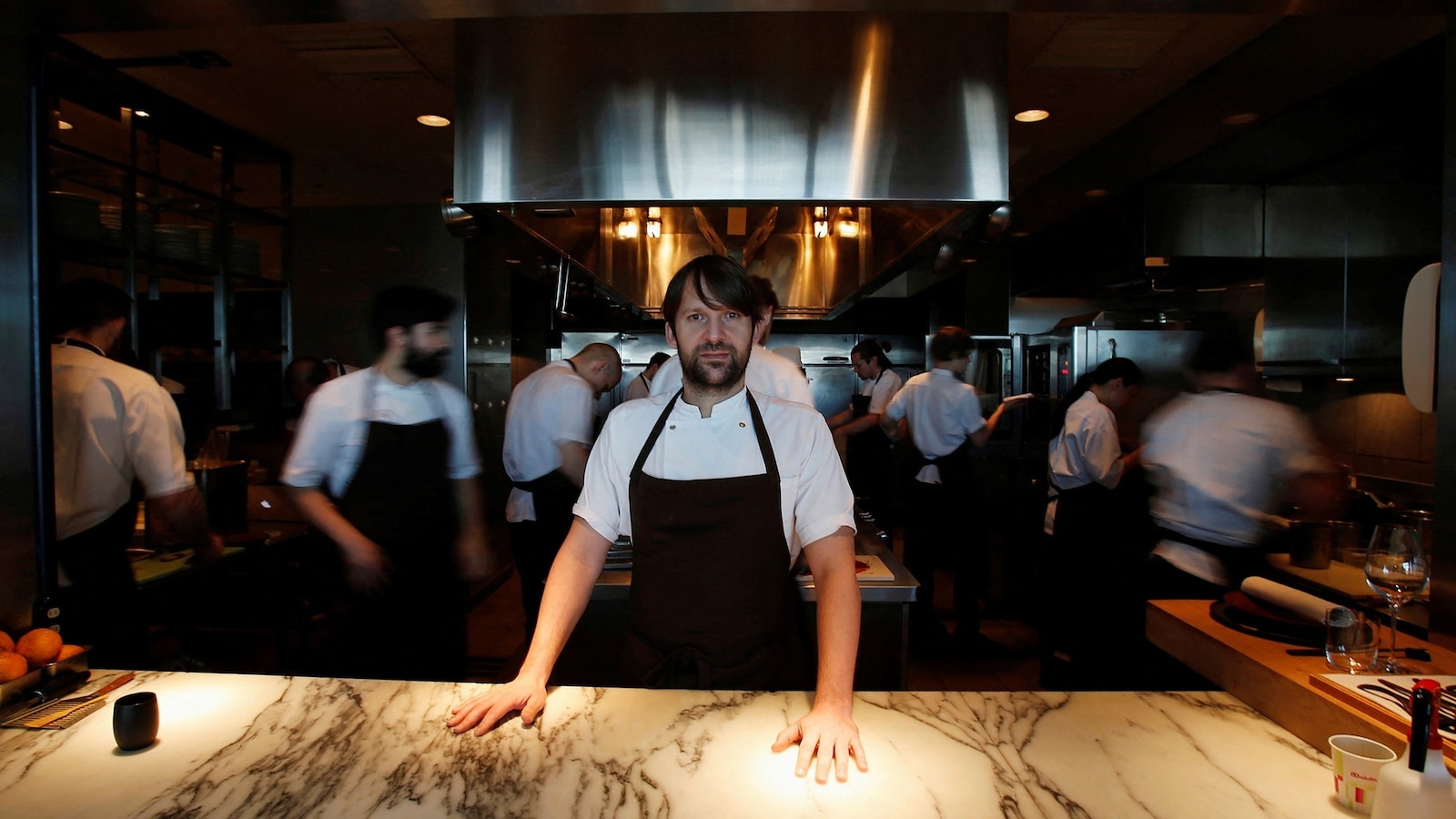
The culinary world was rocked this week when René Redzepi, the visionary chef behind Copenhagen’s legendary Noma restaurant, announced his departure from the establishment he co-founded over two decades ago. The announcement came just days after an explosive New York Times investigation detailed troubling allegations of workplace abuse from more than 35 former employees. In a video posted to both his personal Instagram account and Noma’s official page, Redzepi stated, “After more than two decades of building and leading this restaurant, I’ve decided to step away and allow our extraordinary leaders to now guide the restaurant into its next chapter.” The timing of this announcement is particularly significant, as it follows years of Redzepi being celebrated as one of the world’s most innovative chefs, earning Noma three Michelin stars and the number one spot on The World’s 50 Best Restaurants list an unprecedented five times. His departure marks not just the end of an era for one restaurant, but potentially signals a broader reckoning within the high-end culinary industry about workplace culture and leadership accountability.
The Allegations That Changed Everything
The New York Times report, published just days before Redzepi was set to launch a highly anticipated Los Angeles pop-up experience, painted a disturbing picture of life inside Noma’s kitchens between 2009 and 2017. More than 35 former employees came forward with accounts of both physical and psychological abuse they allegedly experienced or witnessed while working under Redzepi’s leadership. These revelations sent shockwaves through the restaurant industry, particularly because Noma had long been held up as not just a culinary innovator but as a model for a new, more thoughtful approach to dining and food culture. The Danish chef, who co-founded the New Nordic dining destination and food innovation lab with Claus Meyer in 2003, had spent years cultivating an image as someone who had evolved beyond the old-school, abusive kitchen culture that had long plagued fine dining establishments. In his Instagram statement addressing the controversy, Redzepi acknowledged the gravity of the situation: “The recent weeks have brought attention and important conversations about our restaurant, industry, and my past leadership. I have worked to be a better leader and Noma has taken big steps to transform the culture over many years. I recognize these changes do not repair the past. An apology is not enough; I take responsibility for my own actions.”
The Fallout and Corporate Retreat
The immediate consequences of the Times report were swift and severe. Redzepi’s planned 16-week Southern California residency in Silver Lake, set to begin this week following Noma’s final dinner service at its Denmark location earlier this year, lost both of its major corporate sponsors. American Express and Blackbird, two companies that had attached their brands to what was supposed to be one of the most exclusive culinary events of the year, quickly distanced themselves from the project. This corporate exodus speaks volumes about how seriously these allegations are being taken in an era of increased corporate accountability and social awareness. The $1,500-per-person dining experience, which had been sold as an unmissable opportunity for food enthusiasts, suddenly became toxic to brands concerned about their public image. Former Noma employees didn’t just voice their concerns online—they showed up in person at the Silver Lake location to protest the opening, making their displeasure visible and impossible to ignore. In his video announcement, Redzepi could be heard telling the pop-up staff that he was stepping away “in order to make sure you guys are feeling 100% safe,” adding, “We will get through this, but because it’s so much focused on me, I have to remove myself.” Despite the controversy and Redzepi’s departure from day-to-day operations, Noma LA 2026, which runs through June 26, is still accepting reservations for some prepaid parties through Tock.
Voices from the Kitchen
Among those speaking out is Jason Ignacio White, a former chef and Noma’s director of fermentation who worked with Redzepi for nearly five years. White appeared at the Los Angeles protest and didn’t mince words about what he witnessed during his time at the restaurant. “I watched people stay in an abusive environment because they had no other choice,” White told reporters, according to ABC News Los Angeles station KTLA. “They needed the paycheck. They wanted the reference. They feared blacklisting and deportation.” White’s comments highlight a particularly insidious aspect of abuse in high-profile restaurants: the power imbalance that keeps people trapped in toxic situations. For young chefs hoping to build their careers, a position at a three-Michelin-star restaurant like Noma represents both a tremendous opportunity and a potential trap. The reference and experience gained from working at such an establishment can open doors throughout the industry, while speaking out about abuse risks professional retaliation and reputation damage. White has taken his advocacy a step further by running an Instagram account and website called Noma Abuse, which appears to collect anonymous accounts from people who claim to have experienced or witnessed mistreatment at Noma or other restaurants, offering a platform for submission and solidarity among those who have suffered in silence.
A Pattern of Behavior and Promises to Change
This isn’t the first time Redzepi’s conduct in the kitchen has come under scrutiny, which makes the recent revelations all the more troubling. In 2008, long before the recent Times investigation, Redzepi was captured on camera screaming at cooks in the documentary “Noma at Boiling Point.” Rather than being a secret exposed, his volatile behavior was literally filmed and broadcast, yet it didn’t significantly damage his rising star at the time. In the years since, Redzepi has made multiple public apologies and claims of personal growth. In a 2015 essay written for MAD, the Copenhagen-based nonprofit organization he founded in 2011, Redzepi admitted he had previously been a “beast” who bullied subordinates. He questioned how to rectify kitchens plagued by screaming and physical abuse, describing a turning point when a sous chef confronted him about his behavior after work one day, which he said prompted a “slow evolution.” “The pressure will always be there. There will always be competition and adrenaline. But how you handle yourself in those moments is crucial,” he wrote then. “We can’t take the boiling points out of service, so what we need to do is find tools to handle them better.” In a 2022 interview with the Times of London, Redzepi again expressed regret, saying he “never hit anyone” but “probably bumped into people”—a distinction that struck many as insufficient. The pattern of behavior followed by public contrition followed by new allegations raises difficult questions about whether real change occurred or whether image management simply became more sophisticated.
An Uncertain Future for All Involved
As Redzepi steps away from the empire he built, he leaves behind complicated legacies both culinary and cultural. In addition to resigning from his leadership role at Noma, he also stepped down from the board of MAD, the nonprofit he founded to offer “educational courses, public events, and publications” intended to “help chefs and other professionals working in food lead the change that their industry—and the planet—need,” according to its website. The irony of being forced out of an organization dedicated to positive change in the restaurant industry is not lost on observers. In Wednesday’s video, Redzepi attempted to paint a picture of a kitchen that has evolved beyond its problematic past: “My kitchen has not been like this for a long time, I know that’s not who we are. That’s why it gives me so much motivation—and that of course is something we need to explain to the world and tell the world that there are many sides to this, that it’s not one side.” He promised he would be “going into planning the next phase,” adding, “You’ll see me around, but not in the way you’ve seen me around in the past 23 years. You guys are running the show now.” What that next phase looks like remains to be seen. For the former employees who have come forward, Redzepi’s departure represents a measure of accountability, though many argue it comes too late and only after mounting public pressure. For the restaurant industry as a whole, this moment represents another data point in an ongoing conversation about whether the pursuit of culinary excellence can ever justify abusive workplace conditions, or whether a fundamental restructuring of kitchen culture is long overdue. As Noma continues under new leadership and Redzepi contemplates his next move, the questions raised by this controversy will continue to resonate throughout fine dining establishments worldwide.