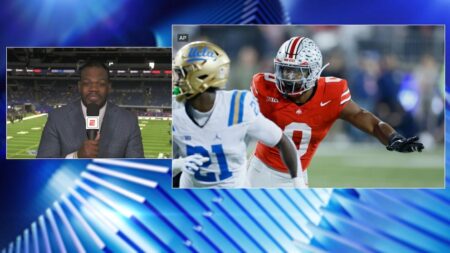


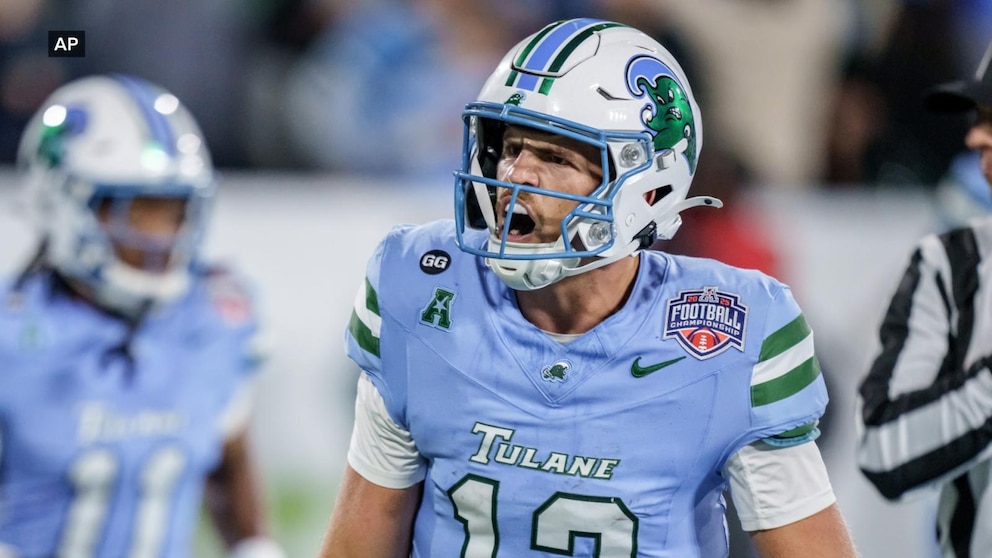

Tackling This Weekend’s College Football Playoffs
The Stage is Set for Championship Dreams
College football fans across America are gearing up for one of the most exciting weekends of the year as the playoff battles intensify. The atmosphere is electric, with universities rallying behind their teams, alumni planning watch parties, and students painting their faces in school colors. This weekend represents more than just football games—it’s about tradition, pride, and the culmination of months of grueling practice, strategic planning, and unwavering dedication. The playoff system has transformed college football into a high-stakes drama where every play matters and legacies are built in a matter of hours. Coaches have spent countless sleepless nights reviewing game film, players have pushed their bodies to the limit, and entire communities have united behind a common goal. The excitement isn’t limited to the stadiums; sports bars will be packed, living rooms will transform into mini arenas, and social media will explode with real-time reactions. For the teams that have made it this far, the journey has been extraordinary, filled with triumphant victories, heartbreaking setbacks, and moments that will be replayed for decades to come. These aren’t just college athletes—they’re young men carrying the hopes of millions, representing institutions with storied histories, and competing for the chance to etch their names in the annals of sports history.
The Contenders and Their Paths to Glory
Each team entering this weekend’s matchups has a unique story that brought them to this pivotal moment. The road to the playoffs is never easy, requiring consistency throughout the regular season, dominance in conference play, and often a bit of luck when rankings are determined. Some teams have been favored since preseason polls, with veteran quarterbacks leading explosive offenses and defensive units that have shut down opponents week after week. Others have emerged as Cinderella stories, overcoming early-season losses, player injuries, and doubting critics to prove they belong among college football’s elite. The coaching staff for each program has meticulously prepared game plans tailored to exploit opponents’ weaknesses while protecting their own vulnerabilities. Star players have stepped up when it mattered most—game-winning touchdowns in the final seconds, crucial interceptions that shifted momentum, and punishing runs that demoralized defenses. Beyond individual talent, these teams have demonstrated the chemistry and cohesion that separates good programs from great ones. Locker room culture, leadership, and the ability to perform under pressure have all contributed to their success. As fans analyze matchups and debate predictions, they’re not just looking at statistics; they’re considering intangibles like momentum, experience in big games, and the mental toughness required to win when the entire nation is watching. This weekend will test everything these programs have built over the season.
Key Matchups and Strategic Battles
When these powerhouse teams collide, the chess match between coaching staffs becomes just as compelling as the physical battles on the field. Offensive coordinators will look to establish rhythm early, whether through a balanced attack that keeps defenses guessing or by exploiting specific mismatches in coverage or run defense. The quarterback position, as always, takes center stage—these field generals must read complex defensive schemes in seconds, make split-second decisions under pressure from 300-pound defensive linemen, and deliver accurate passes while their bodies are being hit. Defensive coordinators, meanwhile, will deploy exotic blitz packages, creative coverage schemes, and adjustments designed to confuse young quarterbacks and disrupt timing routes. The trenches—where offensive and defensive linemen wage brutal, often unnoticed wars—will likely determine outcomes. Whichever team can control the line of scrimmage typically controls the game’s tempo and outcome. Special teams, sometimes overlooked, can prove decisive; a blocked punt, a returned kickoff, or even superior field position from consistent punting can shift momentum dramatically. Coaches will also manage the psychological aspects—timeouts, challenges, and motivational moments that can inspire their teams or deflate opponents. The ability to make halftime adjustments, to recognize what’s working and what isn’t, separates championship-caliber coaching from the rest. Players will need to execute under immense pressure, maintaining discipline even when emotions run high and avoiding costly penalties that can derail drives or extend opponents’ possessions.
The Players to Watch and Breakthrough Performances
This weekend will showcase some of college football’s most talented athletes, many of whom will soon transition to professional careers. Heisman Trophy candidates and future NFL draft picks will compete on the sport’s biggest stage, with scouts watching every move and millions of fans witnessing potential star-making performances. The dual-threat quarterbacks who can beat you with their arms and legs present unique challenges—defenses must account for their mobility while respecting their passing ability, creating impossible dilemmas for defensive coordinators. Elite wide receivers with blazing speed and acrobatic catching ability will test cornerbacks in one-on-one matchups that could determine possessions. Running backs with punishing styles or elusive moves will seek to impose their will, gaining crucial yards in short-yardage situations or breaking long runs that energize their teams and silence opposing crowds. Defensively, edge rushers who can disrupt the pocket and middle linebackers who quarterback the defense will be critical. Shutdown corners who can eliminate an opponent’s best receiver allow defenses to focus resources elsewhere, while hard-hitting safeties patrolling the deep middle prevent explosive plays. Beyond the superstars, role players and unheralded contributors often emerge in these moments—the backup who makes a crucial catch, the special teams player who recovers a fumble, or the defensive tackle who plugs gaps and allows linebackers to make tackles. These games create legends, and this weekend will undoubtedly produce performances that fans discuss for generations.
The Fan Experience and Cultural Significance
College football’s playoff games transcend sport, becoming cultural events that unite and divide communities, families, and friend groups in the best possible ways. Tailgating traditions begin hours before kickoff, with elaborate setups featuring grills, televisions, and decorations in team colors. Alumni travel across the country, reconnecting with classmates and reliving their own college experiences through the current team’s success. Students camp out for tickets, paint themselves in school colors, and create the raucous atmospheres that make college football uniquely intense. The marching bands, fight songs, and time-honored rituals add layers of meaning beyond the game itself. For many fans, their team’s success or failure genuinely affects their mood for days or weeks—a reality that non-sports fans might find puzzling but that speaks to the deep emotional connections these programs foster. Social media amplifies everything, with fans engaging in good-natured (and sometimes not-so-good-natured) trash talk, sharing highlights, and creating memes that capture memorable moments. Local economies benefit tremendously as restaurants, hotels, and businesses experience surges in activity. The games also serve as powerful recruiting tools, showcasing programs to high school athletes deciding where to continue their careers. For the host cities, these events bring prestige and economic impact. Whether watching from the stadium, a sports bar, or home, fans become part of something larger than themselves—a shared experience that creates memories and bonds that last lifetimes.
Looking Ahead to Championship Implications
The outcomes of this weekend’s games will reverberate far beyond the final whistles. Winning teams advance closer to the ultimate prize—a national championship that defines seasons, careers, and legacies. Coaches who succeed may see contract extensions, increased recruiting budgets, and elevated status within the profession, while those who fall short face questions and pressure despite having achieved playoff berths that most programs envy. Players will either continue their championship pursuits or end their college careers, making these potentially the last games for seniors who have dedicated years to their programs. The transfer portal and NFL draft decisions will be influenced by these performances, with players showcasing their abilities on the biggest stage or reassessing their futures after disappointing results. Recruiting classes will be impacted as high school prospects evaluate programs based partly on playoff success and championship potential. The financial implications are substantial—championship runs generate millions in revenue through ticket sales, merchandise, television contracts, and donations from energized boosters. Beyond the tangible outcomes, these games shape narratives and perceptions. Programs establish themselves as elite or prove they’re not quite ready for that status. Conferences gain or lose credibility based on their representatives’ performances. The college football landscape shifts with each playoff cycle, creating new powers and exposing pretenders. As fans settle in this weekend, they’re not just watching games—they’re witnessing the creation of sports history, the fulfillment of dreams, and the heartbreak of falling short. The beauty of playoff football lies in its finality; there are no second chances, no next week to correct mistakes. Everything these teams have worked for comes down to sixty minutes of execution, emotion, and effort. That’s what makes college football’s playoff weekend truly special.