
UK Businesses Grapple with Trump’s Chaotic Tariff Rollout
A Cloud of Confusion Descends on British Exporters
British businesses find themselves navigating treacherous waters as President Donald Trump’s latest tariff shake-up creates widespread confusion and anxiety across the Atlantic trade relationship. Following the US Supreme Court’s decision to strike down his ambitious “Liberation Day” tariffs policy on Friday, Trump announced a sweeping temporary tax on imports from all countries. What initially appeared to be a 15% levy became mired in conflicting information, with reports varying between 10% and 15% rates. The UK’s Department for Business and Trade eventually confirmed the current rate stands at 10%, though significant uncertainty remains about whether the threatened 15% increase will eventually apply to British goods. This ambiguity comes despite the UK having negotiated what was supposed to be a preferential trade deal with the United States back in May, which had established a 10% tariff ceiling. The situation has left British exporters scrambling to understand exactly what costs they’ll face when shipping products to their crucial American market, creating a planning nightmare for companies trying to price their goods and forecast their margins months in advance.
The Business Community’s Growing Anxiety
The uncertainty has triggered alarm bells throughout British industry, with trade organizations rushing to demand clarity from both the UK and US governments. Make UK, the influential manufacturing trade body, issued an urgent call for answers about how British exports will actually be treated when they arrive on American shores. The situation is particularly frustrating because businesses thought they had secured predictability through the bilateral agreement reached just months ago. William Bain, who heads trade policy at the British Chambers of Commerce, acknowledged that while a 10% tariff provides some relief compared to the threatened 15% rate, the constantly shifting landscape makes strategic planning virtually impossible. British exporters now face the uncomfortable reality that goods currently in production for export several months down the line may face completely different tariff structures than currently anticipated. This creates a cascading effect throughout supply chains and business operations—companies cannot accurately set prices, understand their profit margins, or make informed investment decisions when the fundamental cost structure of their American operations remains a moving target. The British Chambers of Commerce has responded by presenting the UK government with a comprehensive six-point action plan, which includes proposals to expand the capacity of UK Export Finance to support affected companies and calls for a thorough review of the UK’s own global tariff framework.
Trump’s Unpredictable Trade Policy Evolution
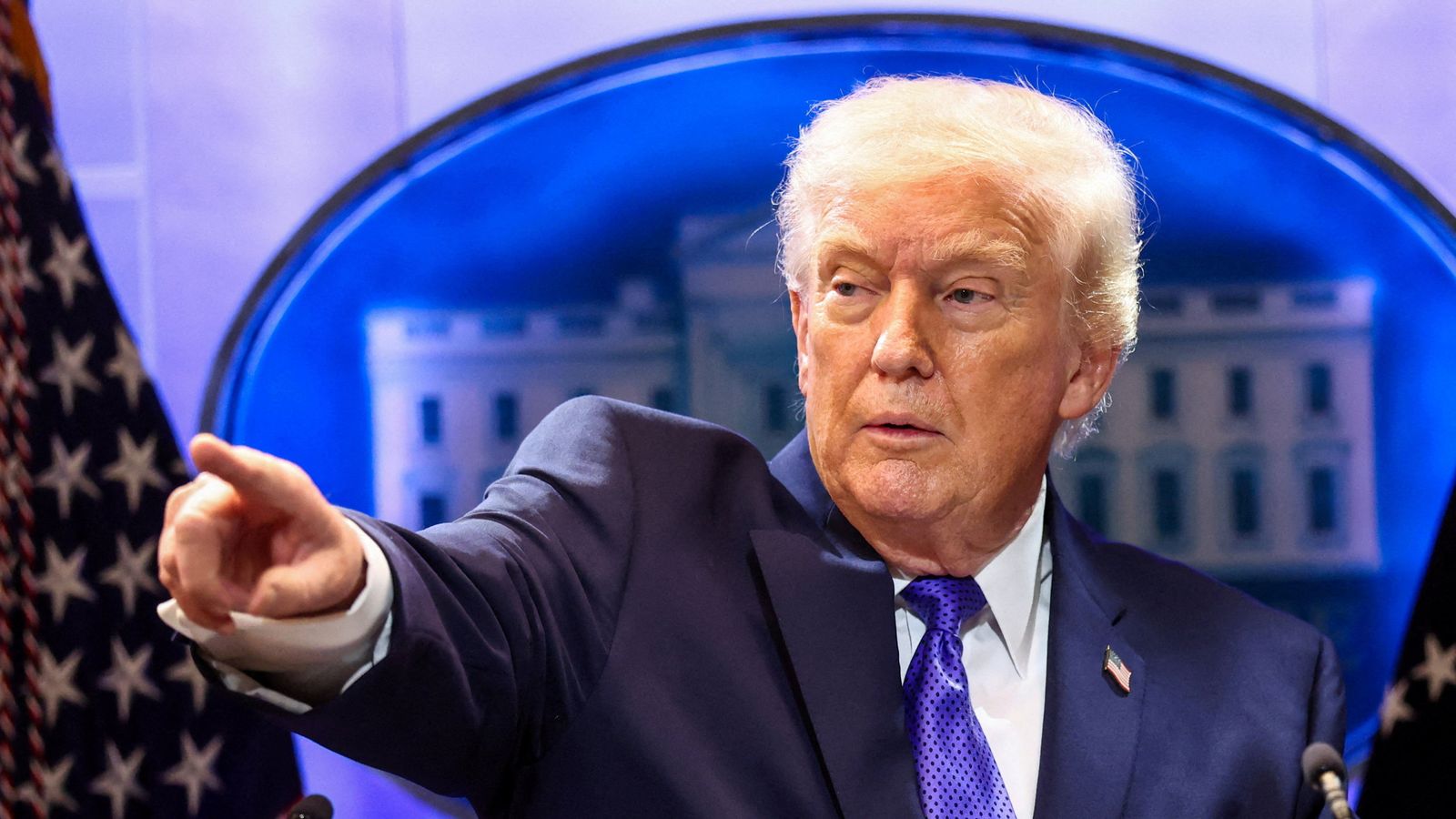
The current chaos stems from Trump’s weekend response to the Supreme Court ruling that limited his expansive tariff powers. After the court struck down his sweeping policy, the president announced he would impose a blanket 15% tariff on all countries, raising the stakes from the 10% rate he had floated just 24 hours earlier. The legal mechanism Trump is using—Section 122 of US trade law—comes with significant constraints, limiting such emergency tariff actions to just 150 days unless Congress grants approval for an extension. This legal limitation adds another layer of uncertainty, as businesses must now wonder not just what tariffs they’ll face, but for how long. The situation became even more murky regarding countries like the UK that had already negotiated what they believed were binding agreements to shield themselves from the worst of Trump’s punitive tariff regime, which was first unveiled last April. The fundamental question facing British businesses and the UK government is whether these painstakingly negotiated deals will actually be honored, or whether they’ve been swept aside by Trump’s latest pivot. The president’s approach to trade policy has become characterized by sudden reversals, threats issued via social media, and policies announced without the traditional interagency coordination that previously marked American trade diplomacy.
The UK Government’s Scramble for Answers
British officials have kicked into high gear attempting to gain clarity and protect their business community’s interests. The Prime Minister’s official spokesman struck a hopeful tone, expressing continued optimism that Washington will “honour” the preferential trade agreement previously reached between the two nations. Behind the scenes, discussions have been taking place “at all levels” between British and American officials, though concrete results remain elusive. Business Secretary Peter Kyle personally contacted his American counterpart, Commerce Secretary Jamieson Greer, over the weekend to express the UK government’s concerns about the mounting uncertainty facing British businesses. Kyle specifically reinforced the need for the United States to honor the existing UK-US trade deal and sought assurances about specific sectoral agreements covering steel and automotive trade. When pressed about potential retaliatory measures, the Prime Minister’s spokesman notably refused to rule out the possibility of the UK imposing its own counter-tariffs on American goods, stating bluntly that “nothing is off the table.” However, government representatives have been unable to provide businesses with the information they desperately need—namely, when they might receive clarity on how tariffs will actually apply to British goods and services, and whether previously negotiated agreements on specific products will actually be respected by the Trump administration.
A Global Crisis in Trade Relations
Britain’s predicament reflects a worldwide scramble as companies and governments across the globe attempt to make sense of America’s erratic trade policy. The European Union, the world’s largest trading bloc, announced on Monday afternoon that it would suspend ratification of its own agreement with the United States until the situation becomes clearer. Bernd Lange, who chairs the European Parliament’s international trade committee, captured the prevailing mood when he stated flatly that “nobody knows what will happen,” adding that clarity and legal certainty are essential prerequisites before the EU can proceed with any further steps. Trump responded to such hesitation with characteristic bombast, posting a warning on his Truth Social platform threatening that any country attempting to “play games” with the Supreme Court’s decision—particularly those he claims have “ripped off” America for years or decades—would face “much higher” tariffs and unspecified additional consequences beyond what they had recently agreed to. Meanwhile, American Democrats announced plans to introduce legislation requiring US Customs and Border Protection to refund companies—with interest—for tariff payments they’ve made. In a significant development, FedEx, the major US-based shipping company, declared its intention to sue the American government to recover tariff-related refunds. Financial markets reflected the growing economic anxiety, with major stock indexes across Europe closing down on Monday and the sell-off continuing into Tuesday, as American markets similarly declined.
The Economic Toll of Uncertainty
The situation illustrates a fundamental truth about modern international trade: uncertainty itself carries enormous costs, sometimes rivaling the direct impact of the tariffs themselves. British businesses engaged in transatlantic trade now face an impossible calculus. Production cycles for manufactured goods often span months, meaning companies must commit to pricing, production volumes, and supplier contracts long before their products actually ship to American customers. With tariff rates unclear and potentially subject to sudden change, these decisions become educated guesses at best. A manufacturer might price goods based on a 10% tariff assumption, only to face 15% or higher when products actually ship, instantly eroding or eliminating profit margins. This uncertainty doesn’t just affect current operations—it fundamentally undermines investment decisions. Companies considering expanding production capacity, hiring additional workers, or developing new products for the American market must now factor in the possibility that the trade relationship could shift dramatically without warning. The ripple effects extend beyond direct exporters to the entire ecosystem of suppliers, logistics providers, and service companies that support transatlantic trade. As businesses and governments await clarity, the only certainty is that the hard-won stability of the UK-US trade relationship has given way to a period of confusion that threatens to exact real economic costs on both sides of the Atlantic, regardless of what tariff rates ultimately prevail.