
UK Government Convenes Emergency Meeting as Iran Conflict Threatens Economy
Prime Minister Calls COBRA Meeting to Address Growing Crisis
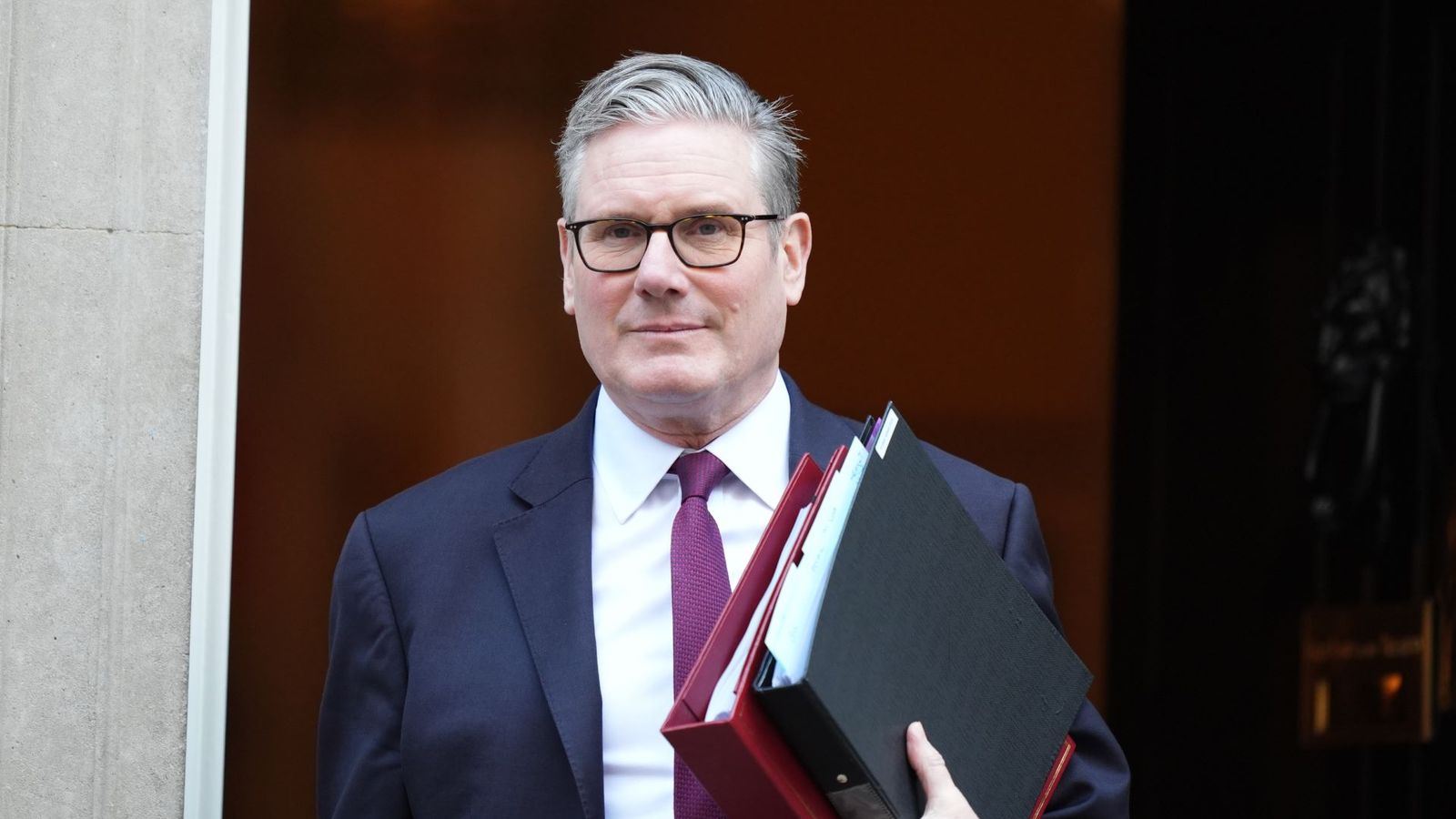
The UK government is taking urgent action to address the mounting economic pressures stemming from the escalating conflict with Iran. Prime Minister Sir Keir Starmer has called a COBRA meeting for today, bringing together key cabinet ministers and financial leaders to discuss the far-reaching impacts of the crisis. Among those expected to attend are the Chancellor, Foreign Secretary, Energy Secretary, and even the Governor of the Bank of England. COBRA meetings represent the government’s standard protocol for responding to national emergencies, and this gathering signals just how seriously officials are taking the current situation. This isn’t the first time the Prime Minister has needed to convene such a meeting recently – he previously chaired one last Thursday specifically to address Iranian strikes on crucial energy infrastructure in the Gulf region, and another in late February when US-Israeli strikes on Iran first began. The frequency of these high-level meetings underscores the rapidly evolving nature of the crisis and the government’s determination to stay ahead of potential impacts on British households and the broader economy.
The Strait of Hormuz Crisis and Its Global Implications
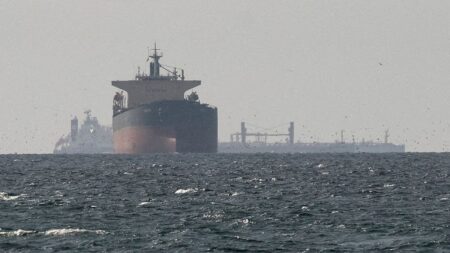
At the heart of the current emergency is the effective closure of the Strait of Hormuz, a narrow waterway that serves as one of the world’s most critical shipping routes. Under normal circumstances, approximately 20% of the world’s oil and liquefied natural gas supplies pass through this strategic chokepoint. However, the ongoing threat of Iranian strikes has brought shipping through the Strait to a virtual standstill, creating a bottleneck that is reverberating throughout global markets. On Sunday, Prime Minister Starmer held a 20-minute phone conversation with the US President that was described as constructive, during which both leaders emphasized the urgent need to reopen the Strait of Hormuz to restore normal shipping operations. According to a Downing Street spokesperson, the leaders agreed that reopening this vital waterway is absolutely essential to maintaining stability in global energy markets. The spokesperson noted that both leaders “agreed that reopening the Strait of Hormuz was essential to ensure stability in the global energy market” and that they planned to speak again soon to continue coordinating their response to this unprecedented challenge.
Rising Energy Bills Set to Hit British Households Hard
The consequences of this international crisis are set to hit British households directly through significantly increased energy bills. Leading energy forecaster Cornwall Insight has released sobering predictions about what families can expect in the coming months. According to their analysis, Ofgem’s energy price cap – the maximum amount suppliers can charge for energy – is projected to rise from its current level of £1,807 to £1,973 per year for an average household when it is adjusted in July. This represents an increase of £332 compared to April’s cap of £1,641, a substantial jump that will stretch already tight household budgets. The price cap was designed to protect consumers from excessive charges, but it adjusts regularly to reflect wholesale energy costs, which have been climbing rapidly as the conflict disrupts global supply chains. For families already struggling with the cost of living, this additional financial pressure couldn’t come at a worse time. The government had previously announced a £53 million support package targeted at the poorest users of heating oil – a fuel type not covered by the standard price cap – but many fear this won’t be sufficient to address the scale of the crisis facing ordinary people.
Broader Economic Concerns: Inflation and Interest Rates
Beyond just energy bills, economists are warning that the Iran conflict could trigger broader economic turbulence across the UK. Inflation, which had been gradually declining toward the Bank of England’s target of 2%, is now predicted to surge back up to as high as 5% this year. This dramatic reversal represents a significant setback for the government’s economic plans and could force difficult policy decisions. Higher inflation typically leads to increased interest rates as the Bank of England attempts to cool down the economy and bring price rises under control. Such rate increases would make mortgages, loans, and other forms of borrowing more expensive for millions of people, adding yet another layer of financial stress. Sky News economics expert Ed Conway has been analyzing how events in the Gulf region could ripple through the UK economy, explaining the complex connections between Middle Eastern geopolitics and the everyday financial realities facing British families. The speed at which oil and gas prices have risen in global markets is particularly concerning, as these increases inevitably work their way through to consumer prices across virtually every sector of the economy.
Government Assurances on Fuel Supplies and Avoiding Panic
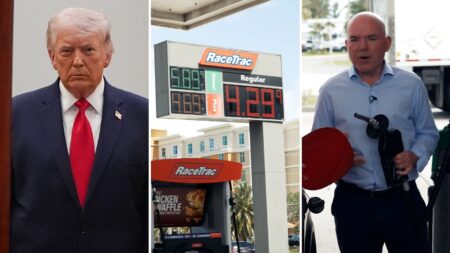
As anxiety grows about potential fuel shortages, the government has been working to reassure the public while simultaneously preparing for worst-case scenarios. Housing Secretary Steve Reed appeared on Sunday Morning with Trevor Phillips to address concerns directly, firmly stating that “there’s no need to ration fuel” at this time. Mr. Reed acknowledged that the government maintains contingency plans for managing fuel supplies during emergencies, but emphasized that implementing such measures is not currently necessary. He encouraged people to continue purchasing fuel “just like they always would,” warning against panic buying that could create artificial shortages. The minister pointed out that the government had already intervened regarding heating oil when prices began escalating dramatically, with some households seeing their bills double or triple overnight – a situation officials deemed unacceptable. However, as Sky News People and Politics Correspondent Nick Martin has observed, the government faces an extremely delicate balancing act. During fuel crises, he notes, “perception can become reality.” The challenge for ministers is to sound honest and credible while remaining calm enough to prevent triggering the very panic they’re trying to avoid. British history provides cautionary tales: panic buying during concerns about shortages in both 2021 and 2000 caused fuel to run out at forecourts across the country, despite there being no actual shortage of fuel supplies at the time – those crises stemmed from lorry driver availability issues rather than fuel scarcity.
Political Responses and Long-Term Energy Security
The crisis has naturally sparked political debate about the UK’s energy security strategy and what measures should be taken both immediately and for the long term. Former Conservative minister Sir James Cleverly has called for the government to cancel planned increases in fuel duty to provide some relief to motorists facing rising prices at the pump. Additionally, he has advocated for opening up new oil and gas fields in the North Sea to increase domestic energy production and reduce reliance on imports from volatile regions. These suggestions touch on ongoing debates about balancing energy security, environmental commitments, and economic pressures. The government’s response to this multifaceted crisis will likely shape political discussions for months to come, as families experience the real-world consequences of international events on their household budgets. The prime minister’s decision to convene COBRA and involve such senior figures demonstrates that Downing Street understands the gravity of the situation. With energy bills rising, inflation threatening to surge, and the potential for fuel supply disruptions looming, the government must navigate an exceptionally complex set of challenges while maintaining public confidence and preventing panic. How effectively ministers manage this crisis could have significant implications not just for the economy, but for public trust in government during times of emergency. As the situation continues to develop, British households will be watching closely to see what additional support measures might be announced and whether diplomatic efforts can successfully reopen the Strait of Hormuz before the economic damage becomes even more severe.