
U.S. Markets Tumble as Middle East Tensions Send Oil Prices Soaring
Markets React to Geopolitical Uncertainty
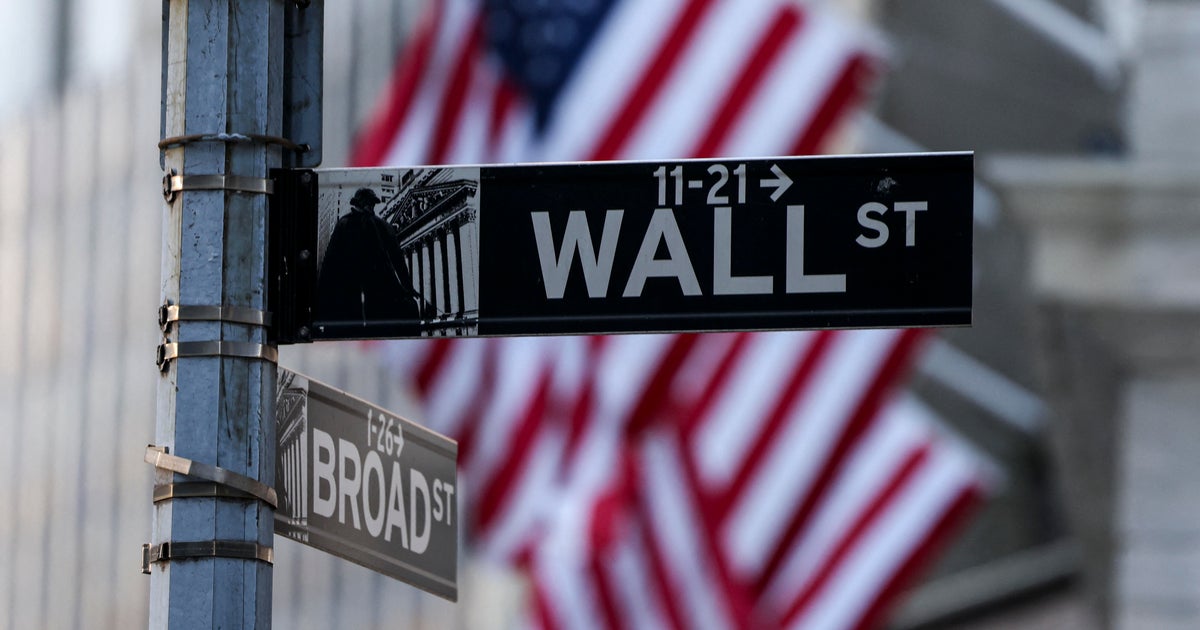
American stock markets kicked off the week on a decidedly sour note Monday, with major indices sliding lower as investors grappled with escalating tensions in the Middle East. The decline came as global oil prices experienced their sharpest jump in over a year, fueled by growing concerns that U.S.-Israel military operations in Iran could spread throughout the region and potentially choke off critical petroleum supplies that fuel the global economy. The S&P 500 shed 53 points, representing a 0.8% decline to settle at 6,826, while the blue-chip Dow Jones Industrial Average fell 0.9% and the tech-heavy Nasdaq Composite dropped 0.7%. The market’s nervous response reflected the uncertainty hanging over global energy markets, as traders and investors tried to assess how the unfolding conflict might impact everything from corporate profits to consumer spending in the months ahead.
The catalyst for investor anxiety was impossible to ignore: oil prices rocketed upward at a pace rarely seen outside of major geopolitical crises. Brent crude, which serves as the international benchmark for oil pricing, surged nearly 9% to reach $79.31 per barrel on Monday—a price level not witnessed in more than twelve months. Meanwhile, West Texas Intermediate, the standard used in U.S. markets, climbed 6.3% to $71.28 per barrel according to data from FactSet. These dramatic increases sent ripples throughout financial markets, as higher energy costs have historically translated into reduced profit margins for businesses and lighter wallets for consumers at the gas pump. The speed and magnitude of the price increases caught many market participants off guard, forcing a rapid reassessment of economic forecasts and investment strategies across Wall Street trading desks.
The Strait of Hormuz: A Critical Vulnerability
At the heart of Wall Street’s concerns lies a narrow waterway that most Americans have never seen but upon which much of the modern economy depends. The Strait of Hormuz, measuring just 21 miles across at its narrowest point, serves as a vital artery for global oil shipments, with approximately 20% of the world’s petroleum supply passing through its waters each day. This strategic chokepoint sits between Iran on its northern shore and Oman and the United Arab Emirates to the south, making it a potential flashpoint as regional hostilities intensify. Analysts warn that any interruption to tanker traffic through the strait could send shockwaves through global energy markets, driving crude prices even higher and forcing American consumers to pay significantly more at the pump while businesses face escalating energy costs that could eat into their bottom lines and potentially trigger broader economic consequences.
The situation has become serious enough that satellite data is painting a concerning picture of commercial activity in the region. According to a report from Eurasia Group analysts, oil and gas tanker traffic through the Strait of Hormuz has slowed to what they described as “a near halt,” as energy companies and trading firms have opted to pause voyages rather than risk their vessels and crews in what has become an increasingly dangerous maritime corridor. The reluctance to transit the strait stems from legitimate fears that Iran might target commercial vessels passing through its territorial waters as the conflict escalates. The analysts emphasized that even a disruption lasting just a few days would cause significant problems for global oil supplies, potentially triggering price spikes and supply shortages in energy-dependent economies around the world. This pause in normal shipping operations represents exactly the kind of supply chain disruption that keeps economists and policymakers awake at night.
Differing Perspectives on Economic Impact
Despite the alarming headlines and market volatility, not all analysts believe the economic fallout will necessarily mirror the catastrophic oil shocks of previous decades. Chris Larkin, managing director of trading and investing at E*Trade from Morgan Stanley, acknowledged the uncertainty gripping markets but suggested the situation remains fluid with many unknowns. “Uncertainty about oil prices may play a big role in determining broader market sentiment,” Larkin explained in an email to clients. “There are more questions than answers right now, but a stabilizing energy picture could have a positive ripple effect, while concerns about a longer-term disruption could have the opposite.” His measured assessment reflects the reality that markets often overreact to geopolitical events in the short term, sometimes creating buying opportunities for patient investors willing to look past temporary turbulence.
Some economists argue that the United States finds itself in a fundamentally different position than it occupied during previous oil crises, particularly the devastating 1973-74 oil embargo that contributed to both surging inflation and economic recession. John Higgins, chief markets economist at Capital Economics, pointed out a crucial shift in America’s energy landscape: the country has transformed from being a net importer of oil to becoming a net exporter. This change means that rising oil prices, while still painful for consumers filling their tanks, actually benefit American energy producers and contribute positively to the nation’s trade balance. As a result, Higgins suggested that stock prices are likely to prove more resilient than they were during the 1970s energy crisis, when the economy was far more vulnerable to oil price shocks. This structural change in the U.S. energy sector provides some insulation against the kinds of economic damage that previous generations experienced when global oil supplies were threatened.
Broader Implications for Global Energy Markets
The current crisis carries implications that extend well beyond American shores, with China emerging as a particularly vulnerable player in the unfolding drama. Iran currently exports approximately 1.6 million barrels of oil daily, with the vast majority of that supply heading to China to fuel its massive industrial economy. If Iranian exports face significant disruption due to military action or expanded sanctions, Chinese buyers will need to scramble to secure alternative supplies from other producers. This potential shift in global oil trading patterns could create additional upward pressure on energy prices worldwide, as Chinese demand gets redirected to markets that are already dealing with concerns about supply constraints through the Strait of Hormuz. The interconnected nature of global energy markets means that a disruption affecting one major supplier can create cascading effects that touch consumers and businesses in countries far removed from the original conflict.
Inflation Concerns Add to Market Worries
As if geopolitical tensions weren’t enough to rattle investor confidence, fresh economic data released Friday added another layer of concern for market participants trying to navigate an increasingly complex landscape. A report on wholesale inflation showed prices at the producer level rising 2.9% last month—nearly double the 1.6% increase that economists had forecast. This surprisingly strong inflation reading complicates the Federal Reserve’s decision-making calculus regarding interest rate policy, potentially forcing the central bank to keep borrowing costs elevated for longer than markets had hoped. Lower interest rates typically provide a boost to both economic activity and investment prices by making it cheaper for businesses to borrow for expansion and for consumers to finance major purchases. However, the Fed has been reluctant to cut rates while inflation remains above its 2% target, and the latest data suggests that price pressures haven’t subsided as quickly as policymakers might have hoped. The combination of rising energy costs and stubborn inflation creates a challenging environment for both the economy and financial markets in the months ahead.
The convergence of Middle East tensions, surging oil prices, and persistent inflation creates a perfect storm of challenges for investors, policymakers, and ordinary Americans alike. While the immediate market reaction reflects genuine concern about these developments, the longer-term impact will depend on factors that remain highly uncertain, including how the regional conflict evolves, whether critical shipping lanes remain open, and how central banks respond to changing economic conditions. For now, market participants are left to navigate choppy waters with incomplete information, trying to balance the very real risks against the possibility that tensions may de-escalate and energy markets may stabilize more quickly than current headlines suggest.