
U.S. Stock Markets Plunge as Oil Prices Surge Above $100 Per Barrel
Markets React to Middle East Crisis and Energy Concerns
The opening bell on Wall Street brought unwelcome news for investors on Monday, as U.S. stock markets experienced significant declines in response to escalating oil prices and ongoing geopolitical tensions in the Middle East. The financial carnage was widespread across all major indices, with the S&P 500 dropping 88 points—a 1.3% decline—to settle at 6,652 in early trading hours. The iconic Dow Jones Industrial Average wasn’t spared either, plummeting 632 points, which also represented a 1.3% loss, bringing it down to 46,870. The technology-heavy Nasdaq Composite followed suit with a similar 1.3% decline. This market turbulence reflects growing investor anxiety about the intertwined challenges of geopolitical instability and its ripple effects on global energy markets and the broader economy.
The catalyst for this market downturn can be traced directly to oil prices breaching the psychologically significant $100-per-barrel threshold over the weekend—a level not seen since 2022 when Russia’s invasion of Ukraine sent shockwaves through global energy markets. On Monday, Brent crude, which serves as the international benchmark for oil pricing, climbed to $102 per barrel, while West Texas Intermediate, the standard used in the United States, reached $99.49 per barrel according to data from FactSet. These elevated energy prices aren’t just abstract numbers on commodity exchanges; they translate directly into higher costs for American consumers at the gas pump and have reignited fears about inflation that policymakers and everyday Americans had hoped were finally under control after years of economic uncertainty.
The Strait of Hormuz: A Critical Chokepoint
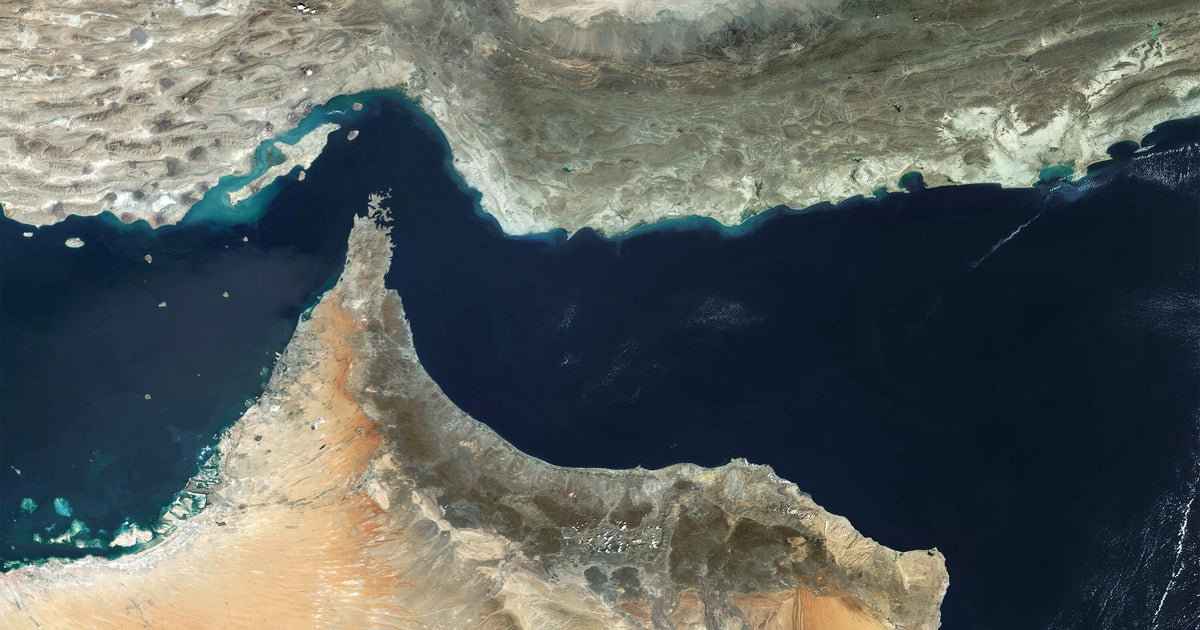
The fundamental reason behind these soaring oil prices lies thousands of miles away in a narrow waterway that most Americans have probably never heard of but which plays an absolutely critical role in the global economy. The Strait of Hormuz, a vital shipping channel for oil tankers, has seen maritime traffic slow to a near standstill due to the ongoing conflict in the region. This isn’t just any waterway—approximately 20% of the world’s entire oil supply flows through this strategic chokepoint under normal circumstances. When shipping through such a critical artery is disrupted, the effects are felt globally and immediately, as markets react to the sudden constriction in supply. The impact extends far beyond just motorists filling up their tanks; economists warn that industries ranging from agriculture, which depends heavily on fuel for equipment and transportation, to petrochemicals, which use oil as a raw material for countless products, will all feel the pinch from this supply disruption.
Pain at the Pump for American Consumers
For ordinary Americans, the most visible and immediate impact of these geopolitical tensions manifests itself every time they pull into a gas station. According to data from AAA, the national average gas price in the United States jumped to $3.48 per gallon on Monday, representing a sharp increase from approximately $3 just one week earlier and $2.90 a month ago. This rapid escalation in fuel costs represents a nearly 60-cent increase in just one month—a significant hit to household budgets, especially for families and workers who depend on their vehicles for daily commutes, school runs, and essential errands. These rising prices at the pump don’t just affect individual consumers; they have cascading effects throughout the economy as transportation costs increase for goods and services, potentially triggering broader inflationary pressures that could affect everything from grocery prices to the cost of getting packages delivered.
Fears of Prolonged Economic Turbulence
Market analysts and economists are expressing growing concerns that this situation could persist and potentially worsen if the underlying geopolitical crisis remains unresolved. Ed Yardeni of Yardeni Research captured the prevailing anxiety among financial professionals when he told investors in a Monday report that “This oil shock won’t end until ships can sail freely through the Strait.” His assessment paints a sobering picture of the road ahead: until maritime traffic can resume normal operations through this critical waterway, financial markets will likely remain under pressure and increasingly concerned about economic scenarios that many hoped had been relegated to history books. Yardeni specifically referenced the possibility of a “1970s-style stagflation scenario”—a particularly troubling economic condition characterized by stagnant economic growth combined with high inflation, which proved extremely difficult to combat during that decade and left lasting scars on the American economy and psyche.
Ongoing Volatility Since Conflict Began
The market turmoil witnessed on Monday represents just the latest chapter in what has been an extended period of extreme volatility for financial markets since the Middle East conflict erupted last week. Investors have been on a roller coaster ride as they attempt to assess the potential duration and broader implications of the crisis. This uncertainty creates a challenging environment for both individual investors trying to plan for retirement and institutional money managers responsible for pension funds and other large pools of capital. The turbulence reflects fundamental uncertainty about multiple critical questions: How long will the conflict last? Will it expand to involve other nations? How severely will global oil supplies be affected? And perhaps most importantly, what will be the ultimate impact on economic growth and inflation? These unanswered questions create the kind of uncertainty that markets typically react to with selling pressure, as investors seek to reduce risk exposure until greater clarity emerges. The situation serves as a stark reminder of how interconnected our global economy has become and how events in one region can rapidly affect financial markets and economies around the world, touching the lives of millions of people who may have little direct connection to the original crisis but who nonetheless feel its effects in their daily lives through higher prices, market volatility, and economic uncertainty.