
Rachel Reeves Charts Britain’s Economic Future Amid Brexit Debate
Chancellor Faces Conservative Criticism Over EU Relationship Plans
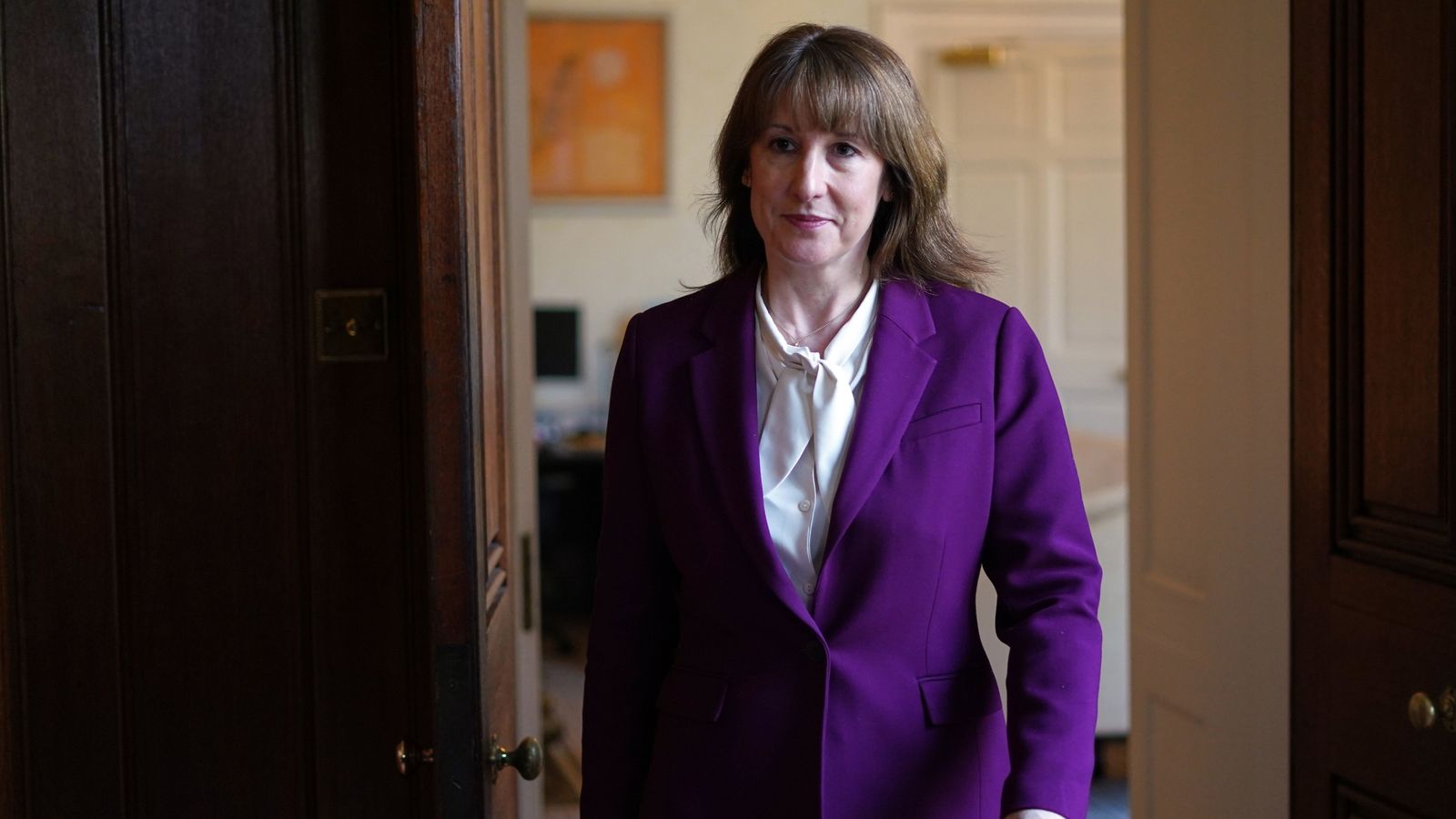
Rachel Reeves, Britain’s Chancellor of the Exchequer, finds herself at the center of a political storm as she prepares to outline her vision for the country’s economic future. In what has become one of the most anticipated speeches in the financial calendar, Ms Reeves is set to deliver the prestigious annual Mais lecture, where she’ll lay out her strategy for driving economic growth through three key pillars: regional investment across Britain, artificial intelligence and innovation, and crucially, deeper ties with the European Union. However, her approach has immediately drawn fire from Conservative opposition figures, who accuse her of attempting to “row back on Brexit” – the very policy they championed and implemented during their time in government.
The timing of this speech couldn’t be more significant. Britain’s economy is struggling to gain momentum, with growth figures that can only be described as disappointing. The country saw absolutely no economic growth in January, and managed just a paltry 0.2% expansion in the three months leading up to that. These numbers paint a picture of an economy that’s essentially treading water rather than swimming forward. Making matters worse, the Office for Budget Responsibility recently downgraded its growth forecast for 2026, though there’s a silver lining with slightly better expectations for 2027 and 2028. Against this challenging backdrop, Ms Reeves is attempting to chart a new course, one that she believes will unlock Britain’s economic potential and deliver prosperity across all regions of the country.
The Three Pillars of Economic Growth
In her speech, Chancellor Reeves will declare that “in this changing world, Britain is not powerless” and that the nation “can shape our own future.” Her method centers on what she calls “stability, investment, and reform – through an active and strategic state.” This represents a clear philosophical approach to governance, one that sees the government playing an active role in directing economic development rather than simply stepping back and letting market forces determine outcomes. She’s making what she describes as “three big choices on the greatest growth opportunities for Britain in the decade to come,” each carefully selected to address different aspects of the country’s economic challenges.
The first pillar focuses on ensuring growth reaches every part of Britain, not just the prosperous southeast. This regional approach acknowledges that economic inequality between different parts of the UK has been a persistent problem, with some areas feeling left behind by globalization and economic change. The second pillar centers on artificial intelligence and innovation, recognizing that technological advancement will be crucial for future prosperity. The third and most controversial pillar involves building a deeper relationship with the European Union, something that immediately raised hackles among Brexit supporters who see any warming of relations with Brussels as a betrayal of the 2016 referendum result.
Conservative Pushback and Political Tensions
The Conservative Party’s response has been swift and pointed. Shadow Chancellor Sir Mel Stride didn’t mince words, directly accusing both the chancellor and the prime minister of wanting to “row back on Brexit.” His criticism reflects the deep political sensitivities that still surround Britain’s relationship with Europe, years after the formal departure was completed. “Labour are desperate to blame anyone but themselves for their economic failures,” Sir Mel added, turning the tables on the government’s narrative. He argued that it’s not Brexit that’s holding back the economy, but rather Labour’s own policy decisions since taking office.
This Conservative criticism highlights the difficult political terrain Ms Reeves must navigate. The opposition is essentially arguing that the chancellor is looking for scapegoats rather than accepting responsibility for economic underperformance. “Under increasing pressure, having mismanaged the economy, Reeves would rather point the finger at Brexit than accept their poor choices have been a disaster for our economy,” Sir Mel continued. This exchange illustrates how Brexit remains a third rail in British politics – any suggestion that leaving the EU might have economic consequences is immediately seized upon by those who supported departure as an attempt to relitigate old battles rather than move forward constructively.
The AI Revolution and Britain’s Role
When it comes to artificial intelligence, however, Ms Reeves will strike a more independent tone, insisting that the UK must “chart our own course” rather than simply following others’ leads. She’ll describe AI as “the defining technology of our era” and present Britain with a stark choice. “We can bury our heads in the sand and leave it to other countries – whose values may differ from ours – to shape and own this technology,” she’ll warn. Alternatively, “we can leave it to the market alone, and let the balance of risk and reward be determined by a super-wealthy few. Or we can chart our own course.” This framing positions government involvement not as interference but as necessary stewardship to ensure AI develops in ways that align with British values and serve the broader public interest.
To back up this ambitious vision, the chancellor will announce significant financial commitments. There’s £500 million earmarked to support the most promising AI companies operating in the UK, giving them the resources they need to compete on the global stage. Additionally, a substantial £1 billion investment in commercial-scale quantum computers signals the government’s recognition that quantum computing could be the next frontier in technological advancement. Ms Reeves has set an ambitious goal: she wants the United Kingdom to achieve the fastest adoption of AI among all G7 nations – the group of wealthy democracies including the United States, Canada, France, Germany, Italy, and Japan. It’s a bold target that reflects both confidence in Britain’s technological capabilities and recognition that falling behind in this area could have serious long-term economic consequences.
Navigating Global Uncertainties and Looking Forward
Adding to the government’s challenges are factors completely outside its control. The ongoing conflict involving Iran poses a serious threat to energy markets, with the potential to drive up both energy prices and broader inflation if hostilities continue. Ms Reeves has acknowledged this danger, noting that the situation is “certainly not good for the British economy.” This external shock reminds us that even the best-laid domestic economic plans can be disrupted by international events, making the government’s job of delivering growth even more complicated.
The Mais lecture itself is no ordinary speech – it’s the City of London’s foremost banking and finance event, hosted by City St George’s University, and represents a key moment for any chancellor to set out their economic vision to the financial sector. Previous speakers have included a who’s who of economic policymakers: Rishi Sunak, George Osborne, Mark Carney, and Odile Renaud-Basso, President of the European Bank for Reconstruction and Development. Interestingly, Ms Reeves herself previously delivered this lecture while serving as shadow chancellor in 2024, making this a return engagement but from a very different position of actual governmental power rather than opposition critique. As she takes the stage again, she faces the fundamental challenge that confronts all politicians in democracies: how to deliver tangible improvements to people’s lives while navigating intense political opposition and economic headwinds. Whether her three-pillar strategy of regional investment, AI advancement, and closer EU ties will succeed in jumpstarting Britain’s sluggish economy remains to be seen, but there’s no question that the stakes couldn’t be higher for both her political future and the country’s economic prospects.