
The Strait of Hormuz: Why This Narrow Waterway Matters to the Global Economy
Understanding the Strategic Importance of a Critical Maritime Passage
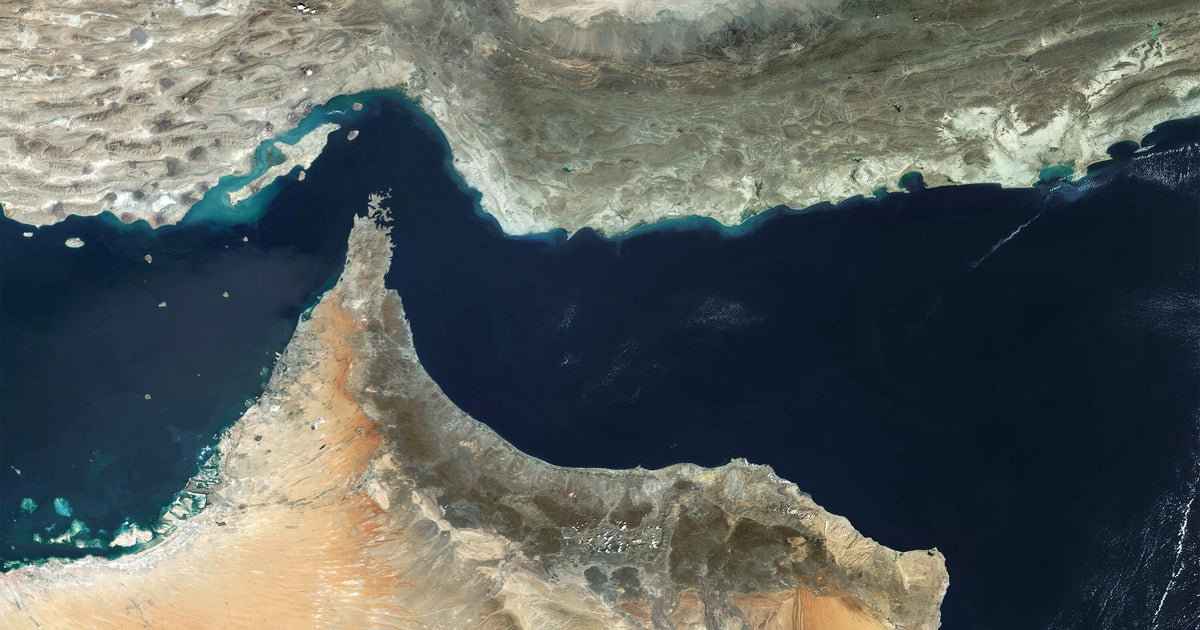
The escalating tensions between the United States, Israel, and Iran have thrust a seemingly small geographic feature into the global spotlight: the Strait of Hormuz. This narrow waterway, situated along Iran’s southern coastline, might not be a household name for most people, but its significance to the world economy cannot be overstated. Stretching almost 100 miles in length and narrowing to just 21 miles at its tightest point, this strategic passage connects the oil-rich Persian Gulf to the Gulf of Oman and eventually the Arabian Sea. What makes this strait so crucial is its role as a vital artery for global energy supplies—roughly one-fifth of the world’s oil and liquefied natural gas shipments flow through these waters under normal circumstances. Energy experts frequently describe it as a critical “choke-point” for crude oil, a term that has taken on new meaning as recent hostilities have brought shipping through the strait to what analysts describe as a virtual standstill. The world’s largest vessels typically navigate these waters, carrying precious cargo from major oil-producing nations including Saudi Arabia, the United Arab Emirates, Iraq, Kuwait, Qatar, and Iran itself to energy-hungry markets in China, Europe, and the United States.
The Current Crisis: When Ships Stop Sailing
The outbreak of conflict last week has fundamentally disrupted the normal flow of commerce through the Strait of Hormuz in ways that are sending shockwaves through global markets. Major shipping companies, including industry giants Maersk and Hapag-Lloyd, have made the difficult decision to suspend all shipments through the strait, a move that reflects the serious security concerns facing vessels in the region. According to Arne Lohmann Rasmussen, chief analyst at Global Risk Management, the strait has become “de facto closed” not because of a physical blockade, but because the danger has become too great for commercial operators to accept. Ship captains and their companies face the very real threat of attack, while insurance companies have either withdrawn coverage entirely or raised premiums to levels that make transit economically unfeasible. The U.K. Maritime Trade Operations Center has reported multiple attacks on vessels in areas surrounding the strait and has issued warnings about elevated electronic interference affecting ship navigation systems. This combination of direct threats and technical disruption has created an environment where even the most experienced maritime operators are choosing to wait rather than risk their vessels, crews, and cargo.
The Domino Effect: From Regional Conflict to Global Economic Impact
The implications of a disrupted Strait of Hormuz extend far beyond the immediate region, creating ripple effects that touch consumers and economies worldwide. Oil prices spiked significantly on Monday as markets absorbed the reality of constrained supplies from the Middle East, with particular concern about the potential impact on U.S. gas prices if the situation continues. Kevin Book, managing director at Clearview Energy Partners, highlighted that the risks to infrastructure throughout the region come not only from deliberate attacks but also from collateral damage—shrapnel and debris from missile interceptions can fall onto facilities and disable them, adding another layer of complexity to an already dangerous situation. The energy market analyst from S&P Global, Jim Burkhard, put the situation in stark historical perspective, noting that if the reduction in tanker traffic continues for a week, it would be historic, but anything beyond that timeframe would be “epochal for the oil market,” triggering price increases designed to ration scarce supply with significant spillover effects into financial markets. The critical unknown factor that keeps analysts and policymakers awake at night is the duration of the conflict and how long the strait will remain too dangerous for commercial shipping to resume normal operations.
Analyzing the Price Ceiling: How High Could Oil Go?
While the immediate disruption has already affected oil prices, the bigger question facing economists and energy experts is just how high prices could climb if the situation doesn’t resolve quickly. Rasmussen from Global Risk Management warned that while the disruption has lasted only a few days so far, an extension measured in weeks or months could have severe ramifications, potentially pushing oil prices into triple digits—meaning more than $100 per barrel. Such a price spike would create significant drag on the world economy and could potentially trigger a recession, making the control of the Strait of Hormuz what Rasmussen describes as “a powerful weapon” in geopolitical conflicts. However, not all analysts are predicting apocalyptic price scenarios. Benny Wong, senior energy analyst at Pitchbook, points to factors that could moderate price increases, particularly the current surplus of oil in the United States, which stands as the world’s largest oil producer today. The U.S. has been building its reserves while global oil demand has remained relatively soft in recent years due to tepid economic growth worldwide, creating a buffer that could insulate consumers from dramatic price increases if the strait remains closed for only a short period. There’s also the question of whether Iran can effectively maintain a long-term disruption of traffic through the strait as the U.S. and Israel continue to degrade Iranian naval and military capabilities, and whether Iran would want to damage its own fragile economy by blocking its own oil exports.
Looking for Alternatives: The Limited Options Beyond the Strait
When faced with a closed or restricted Strait of Hormuz, the natural question becomes whether there are alternative routes for getting Middle Eastern oil to global markets. The answer, unfortunately for those hoping for easy solutions, is that alternatives exist but fall far short of replacing the volume that normally flows through the strait. One option is the East-West Pipeline, also called Petroline, which stretches nearly 750 miles across Saudi Arabia to deliver oil to ports on the Red Sea, bypassing the strait entirely. Another alternative is the Abu Dhabi Crude Oil Pipeline, which runs approximately 400 miles through the United Arab Emirates to transport oil to facilities on the Gulf of Oman. While these pipelines provide some relief and represent important backup infrastructure, experts are clear-eyed about their limitations. As Wong bluntly stated, “There are no meaningful alternatives to that flow.” The pipelines simply lack the capacity to handle more than a fraction of the daily oil volume that ordinarily passes through the Strait of Hormuz on tankers. This capacity constraint means that while these alternative routes can mitigate some of the impact of a strait closure, they cannot prevent significant disruptions to global oil supplies if the maritime passage remains too dangerous for commercial shipping for an extended period.
The Bigger Picture: Geopolitics, Energy Security, and Economic Vulnerability
The current crisis in the Strait of Hormuz serves as a stark reminder of the vulnerabilities inherent in the global energy system and the complex intersection of geopolitics, economics, and geography. For decades, the world economy has depended on the free flow of oil through this narrow waterway, building supply chains and pricing structures around the assumption that these sea lanes would remain open. The fact that regional conflict can so quickly disrupt this flow—not through a formal naval blockade but simply by making the passage too dangerous and expensive for commercial shipping—highlights how fragile these arrangements can be. The situation also demonstrates the multiple ways that modern conflicts can impact infrastructure and commerce, from direct military attacks on vessels to the inadvertent damage caused by defensive operations, to the electronic warfare that can disrupt navigation systems. As the world watches and waits to see how the conflict unfolds, energy markets, governments, and businesses are being forced to confront uncomfortable questions about contingency planning, energy security, and the true cost of geopolitical instability in critical regions. Whether this crisis resolves quickly or extends into a prolonged disruption, it has already served as a wake-up call about the concentration of global oil shipments through a single, vulnerable passage and the cascading economic consequences when that passage becomes a conflict zone.