


Trump’s Border Czar Admits Minneapolis Operation Had Flaws But Vows to Continue Mass Deportations
Acknowledging Mistakes While Standing Firm
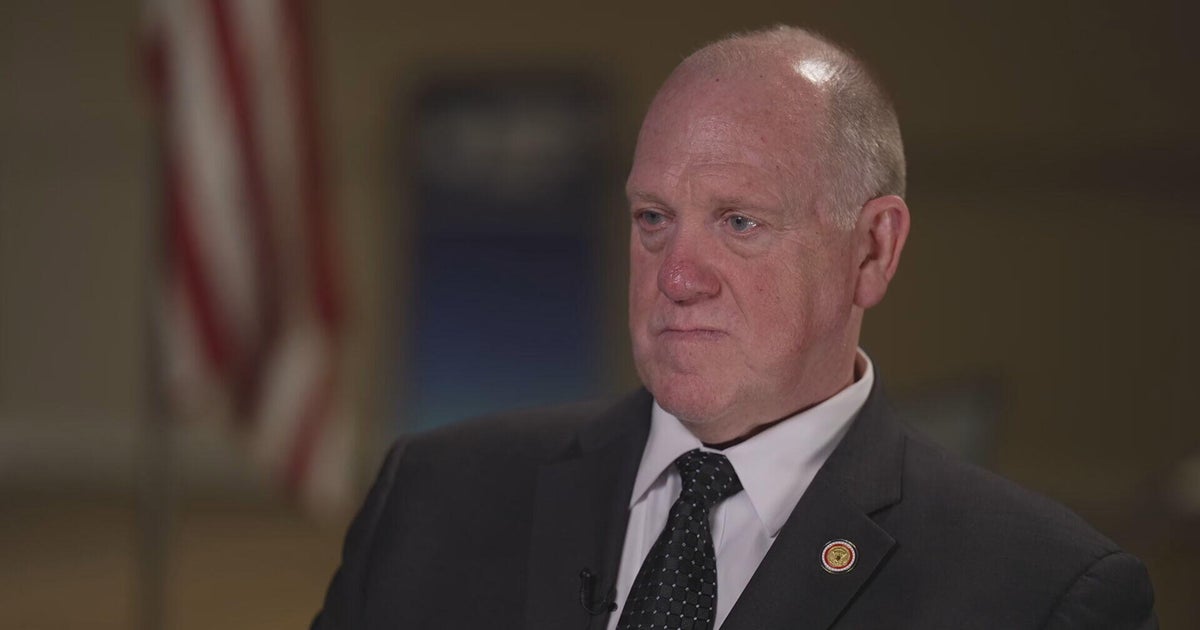
In a candid moment that’s rare for the current administration, Tom Homan, President Trump’s appointed border czar, sat down with CBS News in Phoenix to discuss the controversial immigration enforcement operation that unfolded in Minneapolis earlier this year. Speaking at the annual Border Security Expo, Homan made a significant admission: “Things weren’t perfect. We addressed it. We fixed it.” This acknowledgment comes after what officials called Operation Metro Surge became a lightning rod for criticism from both Democrats and Republicans alike. The operation, which was intended to demonstrate the administration’s commitment to tough immigration enforcement, instead became a cautionary tale about the consequences of aggressive tactics. Homan’s willingness to admit shortcomings represents a notable shift in tone, though he made it abundantly clear that the administration has no intention of backing away from its promise of mass deportations. The interview revealed a balancing act between maintaining the tough-on-immigration stance that defined Trump’s campaign promises and responding to legitimate concerns about how enforcement operations are conducted on American streets.
Tragedy Forces Reassessment of Tactics
The Minneapolis operation came to an abrupt end following two tragic incidents that shook both the local community and the nation. Alex Pretti and Renee Good, both U.S. citizens, were fatally shot by federal immigration agents during the enforcement sweep. These deaths sparked immediate and intense backlash that crossed party lines, forcing President Trump himself to intervene and order Homan to wind down the operation. When pressed about whether the agents involved should face consequences if wrongdoing is discovered, Homan didn’t hesitate: “Yes. If they violated the law, they’ve got to be held responsible. When they violate policy, you’ve got to be held responsible.” However, he declined to elaborate further, citing ongoing government investigations into both fatal shootings. The deaths of these American citizens brought into sharp focus the very real human costs of aggressive immigration enforcement and raised serious questions about the training, oversight, and rules of engagement for federal agents conducting these operations. The incidents also highlighted the potential for tragic mistakes when enforcement actions are conducted in a rushed or haphazard manner, particularly when they involve confrontations in public spaces where citizens going about their daily lives can become unintended casualties.
A “Smarter Approach” to Immigration Enforcement
In the wake of the Minneapolis controversy, Homan says the administration has fundamentally rethought its approach to immigration enforcement, though he bristles at any suggestion that they’re softening their stance. According to Homan, the reason Americans are seeing fewer viral videos of ICE agents making dramatic arrests is because the agency has shifted its focus toward what he calls “targeted” operations. These operations prioritize individuals who not only are in the country illegally but also have criminal records, representing what the administration argues are the most serious threats to public safety. Homan pointed out that since scaling back the Minneapolis-style sweeps, Border Patrol agents have stopped conducting what appeared to be random immigration checks in parking lots, shopping centers, and other public places—the kind of visible enforcement that generated widespread anxiety in immigrant communities and concern among civil liberties advocates. However, Homan was careful to note that this doesn’t mean people without criminal records are safe from deportation. “If they’re in the country illegally, they’re not off the table,” he emphasized, making clear that agents will still arrest anyone they encounter during operations who lacks legal status, even if that person wasn’t the original target and has no criminal history beyond their immigration violation.
Internal Criticism and Defending the Mission
The shift in tactics hasn’t pleased everyone within the immigration enforcement community. Gregory Bovino, a retired Border Patrol Commander who led the more aggressive Minneapolis operation and similar sweeps in other major cities, has publicly criticized what he sees as the Trump administration’s retreat. In a recent interview, Bovino characterized the new approach as “softer” and suggested the administration is backing down from its mass deportation promises. Bovino’s criticism carries particular weight because he was at the forefront of the controversial operations before being relieved of his command following Pretti’s killing; he subsequently retired from Border Patrol in March. Homan, however, forcefully rejected Bovino’s assessment, calling the new strategy a “smarter approach” rather than a softer one. When asked about Bovino’s claim that the administration is retreating from its deportation goals, Homan was emphatic: “He’s wrong. He’s wrong. Numbers prove it. Look at the numbers. Look at the numbers of arrests and removals in the past year, and you give me one year we’ve done more. Never.” According to Homan, ICE and CBP have collectively carried out approximately 800,000 deportations since Trump returned to the White House, numbers he says speak for themselves about the administration’s commitment to its immigration enforcement agenda.
What Americans Should Expect Going Forward
So what does the future of immigration enforcement look like under this revised approach? When directly asked whether Americans should expect to see more large-scale, aggressive crackdowns similar to the Minneapolis operation, Homan’s answer was simple: “No.” This represents a significant departure from the early days of Trump’s second term, when images of widespread enforcement actions dominated news coverage and created palpable fear in communities with large immigrant populations. However, Homan made it clear that while the tactics may be evolving, the overall strategy remains unchanged. He specifically noted that “mass operations” would continue, particularly in cities and jurisdictions with sanctuary policies that limit local law enforcement cooperation with federal immigration authorities. These sanctuary policies have long been a target of conservative criticism, with opponents arguing they shield dangerous criminals from deportation and undermine federal immigration law. For Homan, these jurisdictions represent a particular priority for federal enforcement efforts, as the administration seeks to work around local officials it views as obstructing its immigration agenda.
Justifying Mass Deportations as a Historic Response
Homan’s fundamental argument for continuing mass deportations rests on his characterization of the current situation as unprecedented. “We had a historic illegal immigration crisis for four years,” he said, referring to the Biden administration’s tenure. “So what’s required now? A historic mass deportation.” This framing positions the administration’s aggressive enforcement posture as a necessary corrective to what Trump and his allies view as years of lax border security and inadequate interior enforcement. In Homan’s view, the scale of the response must match the scale of the problem, which he believes reached crisis proportions under Biden. The challenge for the administration moving forward will be maintaining this aggressive deportation pace while avoiding the kind of incidents that derailed the Minneapolis operation. The death of two American citizens served as a stark reminder that immigration enforcement doesn’t happen in a vacuum—it takes place in communities where citizens and non-citizens live side by side, and aggressive tactics can have tragic unintended consequences. Whether the “smarter approach” Homan describes can deliver the mass deportations the administration has promised while avoiding similar tragedies remains to be seen. What’s clear is that the administration views immigration enforcement as central to its political identity and has no intention of backing down, regardless of criticism or controversy. The question now is whether they can learn from the mistakes of Minneapolis to conduct enforcement in a way that achieves their goals without the collateral damage that sparked bipartisan outrage.