


Bear Attack at Yellowstone: A Frightening Reminder of Nature’s Power
When a Peaceful Hike Turns Dangerous
Picture this: you’re hiking through one of America’s most beloved natural treasures, surrounded by stunning scenery and the promise of seeing geysers and wildlife. Then suddenly, your peaceful afternoon becomes a life-threatening emergency. That’s exactly what happened to two hikers at Yellowstone National Park this week, when they were attacked by one or more bears on Monday afternoon. The incident took place on the Mystic Falls Trail, not far from the park’s famous Old Faithful geyser—a spot that thousands of tourists visit each year. Park officials have confirmed this marks the first bear attack of 2025 at Yellowstone, and while they’re investigating the details, the event serves as a sobering reminder that we’re visitors in the bears’ home, not the other way around. The National Park Service responded quickly to the emergency, though officials haven’t yet disclosed the full extent of the hikers’ injuries or exactly how many bears were involved in the encounter.
A Tourist Becomes a Lifesaver
Sometimes ordinary people find themselves in extraordinary circumstances, and that’s what happened to Craig Lerman, a visitor from Maryland who was hiking the same trail that day. Lerman’s experience reads like something from a movie, but it was all too real. He was making his way up the Mystic Falls Trail when he noticed fresh bear prints pressed into the mud—a warning sign that he wisely noted but continued past. Just a little further along, the scene became much more disturbing: a blood-stained hat lying on the ground with a watch that had been violently torn off. Then he heard it—a voice desperately calling out for help. What Lerman found was one of the attack victims, and the sight was shocking. The injured man had suffered severe lacerations across his body, clearly having endured a terrifying and violent encounter with a bear. Without hesitation, Lerman called 911 and stayed with the injured hiker, following the dispatcher’s instructions carefully. In those critical moments, Lerman provided not just practical help but human comfort, talking continuously with the victim to keep him conscious and calm. When the injured man said he was cold and wet—likely from shock and blood loss—Lerman didn’t think twice about giving him his own T-shirt for warmth, draping it over him while reassuring him that help was coming. It’s the kind of compassion and quick thinking that can make the difference between life and death in a wilderness emergency.
Understanding Yellowstone’s Bear Population
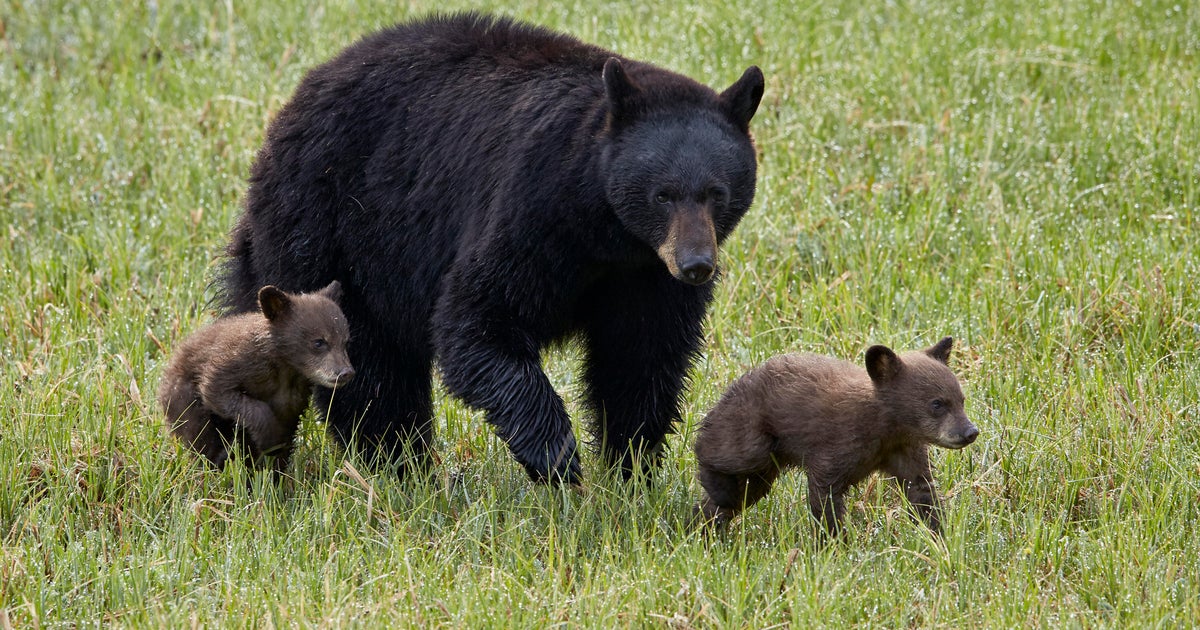
To understand why these attacks happen, we need to look at the bigger picture of bear populations in and around Yellowstone. The park is home to a significant number of grizzly bears—part of a larger population of more than 1,000 grizzlies living throughout what scientists call the “greater Yellowstone ecosystem.” This vast area extends beyond the park’s boundaries, covering portions of Montana, Idaho, and Wyoming, spanning over 27,000 square miles. This might sound like a lot of bears, but it actually represents one of conservation’s greatest success stories. Grizzly bears are still listed as threatened under the Endangered Species Act, but they’ve made a remarkable comeback from near-extinction. Back in 1975, park officials estimated there were only 136 grizzly bears left in the region—a dangerously low number that put the species at serious risk of disappearing entirely from the contiguous United States. Thanks to decades of dedicated conservation efforts, strict protections, and careful management, the grizzly population has rebounded dramatically. Scientists now consider the population healthy and growing, with bears expanding their range and occupying more territory than they have in generations. It’s wonderful news for the species, but it also means more potential for human-bear encounters, especially as tourism to Yellowstone continues to increase.
A History of Encounters
While Monday’s attack is the first of 2025, it’s unfortunately not unprecedented at Yellowstone. The most recent previous bear attack occurred just last September, when a 29-year-old hiker was seriously injured in what officials described as a “surprise encounter” on the Turbid Lake Trail. These surprise encounters are particularly dangerous because they don’t give either the human or the bear time to retreat peacefully—the bear’s natural defensive instincts kick in, and the situation can turn violent in seconds. The good news is that fatal bear attacks at Yellowstone are extremely rare. The last time a person died from a bear attack within the park’s boundaries was back in 2015, nearly a decade ago. However, in 2023, a grizzly bear killed a woman just outside the park’s western boundary, reminding us that the danger exists throughout the broader ecosystem, not just within the official park lines. These statistics are important to keep in perspective: millions of people visit Yellowstone each year, and the vast majority never have a dangerous encounter with a bear. That said, when attacks do happen, they can be devastating, which is why education and prevention are so crucial.
New Safety Measures and Closures
In response to Monday’s attack, park officials took immediate action to protect visitors. At least five trails were closed, along with multiple campsites in the area where the attack occurred. These closures serve several purposes: they protect visitors from potentially encountering an aggressive bear, they give wildlife officials space to investigate and potentially locate the bear involved, and they allow the bears in the area to calm down without human interference. The closures are temporary but necessary—nobody wants another hiker to stumble into a dangerous situation. The park service also took the opportunity to remind visitors of essential bear safety practices that everyone should follow when visiting bear country. First and foremost, maintain a distance of at least 100 yards from any bears you spot—that’s roughly the length of a football field. It might seem excessive, especially when you’re excited to see wildlife and get that perfect photo, but bears are unpredictable and incredibly fast, capable of covering ground much quicker than any human could escape. Carrying bear spray is another non-negotiable safety measure; it’s been proven effective in deterring charging bears when used correctly. Perhaps most importantly, visitors need to be observant and watch for signs of bear activity before the bears themselves appear. Fresh tracks in the mud or snow, bear scat (droppings), torn-up logs or overturned rocks (signs of feeding), and carcasses of prey animals all indicate that bears are active in the area. As the park service puts it: “See the bear before you surprise it.” That advance warning can make all the difference.
Living Alongside Wildlife in the Modern Age
This incident raises important questions about how we balance our desire to experience wild places with the reality that these places are home to potentially dangerous animals. Yellowstone National Park exists precisely because we value wild spaces and the creatures that live there, including grizzly bears. The very reason millions flock to Yellowstone each year is to experience nature in a way that’s increasingly rare in our developed world—to see geysers, bison herds, wolves, and yes, bears living as they have for thousands of years. But that wilderness experience comes with inherent risks that we can minimize but never eliminate entirely. As bear populations continue to recover and expand their range—something we should celebrate as a conservation victory—encounters with humans will likely become more common, not less. This means we all have a responsibility to educate ourselves before visiting bear country, to follow safety guidelines even when they seem inconvenient, and to respect the wildness of these places. The beginning of bear season is particularly important to remember; just last March, scientists spotted the first grizzly of 2026 emerging from hibernation, marking the start of a period when bears are hungry and more likely to be encountered on trails. While Monday’s attack is frightening, it shouldn’t scare people away from visiting Yellowstone or other wild places. Instead, it should remind us that these experiences are precious precisely because they’re real—we’re not visiting a zoo or a theme park, but a genuine wilderness where humans are visitors and animals are residents. By respecting that relationship and taking proper precautions, we can continue to enjoy these magnificent places while keeping both ourselves and the bears safe.