
Ecuador Extradites Senior Gang Leader to Face U.S. Drug Trafficking Charges
A High-Profile Arrest in the Amazon Rainforest
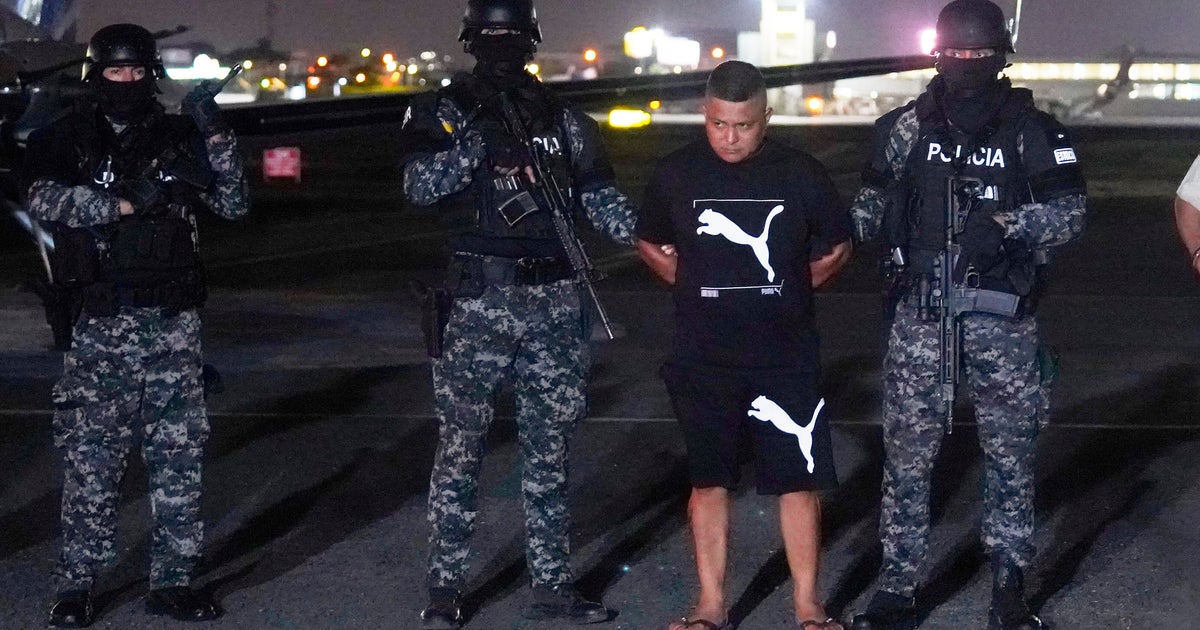
In a significant victory for international law enforcement cooperation, Ecuador’s highest court gave the green light on Wednesday for the extradition of a powerful criminal figure to the United States. Dario Penafiel, operating under the street name “Topo” (which translates to “Mole”), held a senior leadership position within Los Choneros, one of Ecuador’s most notorious criminal organizations. His arrest came last September in the remote reaches of Ecuador’s Amazon region, where investigators believe he had been orchestrating sophisticated illegal gold and mineral mining operations. What makes this case particularly compelling is not just Penafiel’s alleged criminal activities within Ecuador, but his suspected connections that stretch across international borders, including ties to a breakaway faction of Colombia’s once-powerful FARC guerrilla movement. A New York federal court had been seeking his arrest, viewing him as a key player in an international drug trafficking network that has funneled countless pounds of cocaine into American cities.
From Prison Cell to Criminal Empire
The story of how Penafiel rose through the criminal underworld reads like something from a crime thriller, yet it reflects the disturbing reality of how Ecuador’s prison system has inadvertently served as a networking hub for criminal enterprises. Penafiel’s criminal history in Ecuador included serious convictions for kidnapping and criminal conspiracy, though he managed to secure early release after serving only a portion of his sentence. Even more troubling, prosecutors had built a case against him for the murder of a police officer, but that case was ultimately dismissed, allowing him to walk free. According to reports from Ecuadorian media outlets, Penafiel’s real criminal education came during his time behind bars at a Guayaquil prison facility. Guayaquil, Ecuador’s largest city and main port, has become a critical hub in the international cocaine trade, serving as a major export point for drugs heading to markets in North America and Europe. It was within those prison walls that Penafiel forged a relationship with Adolfo Macias, known throughout the criminal underworld by his alias “Fito,” who commanded respect as one of Ecuador’s most powerful and feared drug lords. The two men formed a partnership that would extend far beyond their prison sentences. Penafiel essentially became Fito’s right-hand man while they were incarcerated together, and when Penafiel eventually secured his release, he didn’t leave the criminal life behind—instead, he went to work directly for Fito, focusing his efforts on illegal gold extraction operations that provided another lucrative income stream for the criminal organization.
The Charges and What They Mean
The formal authorization for extradition came from Ecuador’s federal court system, which determined that Penafiel should face American justice for his alleged crimes. According to the official statement released by the court, Penafiel is being sent to the United States “to be tried for large-scale drug trafficking offenses and the use of firearms.” These aren’t minor charges—they represent the kind of serious federal offenses that can result in decades behind bars in the American prison system. The phrase “large-scale drug trafficking” indicates that prosecutors believe Penafiel wasn’t just a minor player or street-level dealer, but rather someone operating at the upper echelons of an international distribution network, someone who helped coordinate the movement of massive quantities of illegal narcotics across international borders. The firearms charge adds another dimension, suggesting that violence or the threat of violence was part of how this organization maintained its operations and protected its interests. For U.S. prosecutors, getting their hands on someone like Penafiel represents an opportunity to dismantle these networks from the top down, potentially gaining intelligence about how these operations work and who else is involved in the supply chain that brings Colombian cocaine through Ecuador and ultimately onto American streets.
The Fito Connection and Presidential Crackdown
The connection between Penafiel and Adolfo “Fito” Macias adds layers of significance to this extradition. Fito’s story captured international headlines and became a symbol of how criminal organizations had infiltrated and corrupted Ecuador’s institutions. After a brazen jailbreak that embarrassed the Ecuadorian government and raised serious questions about security in the country’s prison system, Fito managed to evade capture for months. His escape became a national crisis that highlighted how powerful these criminal organizations had become. Eventually, in June of this year, a massive law enforcement operation finally tracked him down and brought him back into custody. But Ecuadorian President Daniel Noboa, who had made fighting organized crime a centerpiece of his administration, decided that keeping Fito in Ecuador’s compromised prison system was too risky. Under Noboa’s aggressive anti-crime initiative, Fito was extradited to the United States, where he now faces his own reckoning with American justice. Last year, federal prosecutors in New York City handed down an indictment charging Fito with importing thousands upon thousands of pounds of cocaine into the United States over the years. Despite the mountain of evidence prosecutors claim to have, Fito has entered a plea of not guilty and will eventually face trial. The extradition of Penafiel follows the same playbook—removing high-level criminal operators from Ecuador’s struggling justice system and placing them in the hands of U.S. federal prosecutors who have vast resources and experience in dismantling international drug trafficking organizations.
Joint Military Operations Against Criminal Networks
The fight against organizations like Los Choneros has evolved beyond traditional law enforcement, now involving military cooperation between the United States and Ecuador. In a dramatic illustration of this partnership, American special operations commandos recently worked alongside Ecuadorian military forces in a joint operation targeting what intelligence indicated was a criminal operations center on Ecuador’s coastline. The mission, which carried the official designation “Lanza Marina” (Marine Lance), focused on a compound that investigators believed served as a logistics hub for high-speed boats used by Los Choneros to move drugs along maritime routes. Two U.S. officials, speaking to CBS News on condition of anonymity because they weren’t authorized to discuss the operation publicly, explained that American forces served in advisory and support roles, working shoulder-to-shoulder with their Ecuadorian counterparts as they moved against the target location. These fast boats represent a crucial component of the trafficking network’s infrastructure, allowing criminals to move product quickly along the coast and out to larger vessels waiting in international waters. The operation represents part of a broader strategic effort to disrupt the maritime trafficking corridors that these organizations depend on for their business model. This wasn’t an isolated incident either—in early March, the United States and Ecuador formally launched coordinated military operations specifically targeting what both governments have officially designated as “terrorist organizations” operating within Ecuadorian territory.
The Bigger Picture: Ecuador’s War on Organized Crime
The case of Dario “Topo” Penafiel and the extradition approval represents just one battle in a much larger war that Ecuador is waging against organized crime. Los Choneros, the organization Penafiel served in a leadership capacity, is just one of twenty criminal gangs that Ecuador’s government has formally designated as terrorist organizations. This designation isn’t just symbolic—it provides legal authorities with enhanced powers to investigate, prosecute, and dismantle these groups using tools typically reserved for counterterrorism operations. Ecuador, once known as a relatively peaceful nation sandwiched between major cocaine-producing Colombia and drug-transit hub Peru, has seen an alarming transformation over the past decade. The country has become a major player in the international cocaine trade, with criminal organizations taking advantage of Ecuador’s Pacific ports and its dollar-based economy to facilitate their operations. The violence associated with these groups has skyrocketed, with rival organizations fighting brutal territorial battles and innocent civilians often caught in the crossfire. President Noboa’s administration has made confronting this crisis a top priority, implementing aggressive strategies that include not just domestic law enforcement operations but also unprecedented cooperation with international partners, particularly the United States. The extradition of high-value targets like Penafiel and Fito sends a clear message that Ecuador is no longer willing to serve as a safe haven for criminal leadership. By removing these figures from Ecuador’s compromised prison system and placing them in American custody, authorities hope to decapitate these organizations and disrupt their operations. Whether these strategies will ultimately succeed in bringing peace and security back to Ecuador remains to be seen, but cases like Penafiel’s extradition demonstrate that the government is taking the fight seriously and leveraging every tool at its disposal, including international cooperation and military force, to reclaim control from the criminal organizations that have terrorized the nation.