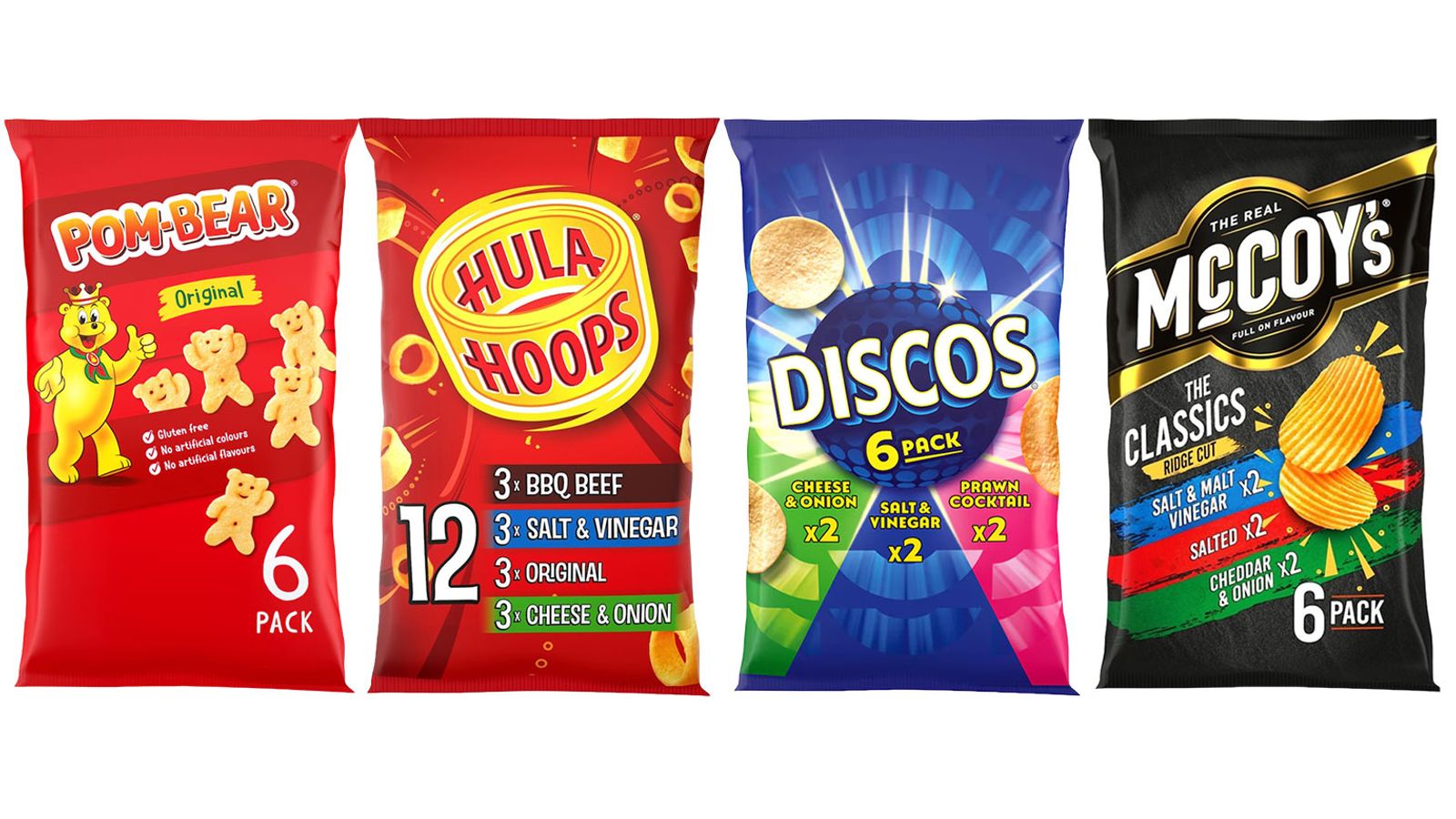

Your Favorite Crisps Might Soon Be Hard to Find: Here’s What’s Happening at KP Snacks
Workers Stand Their Ground Over Unfair Treatment
If you’re someone who loves grabbing a packet of Hula Hoops, McCoy’s, Pom-Bears, or Discos during your weekly shop, you might want to stock up soon. A serious labor dispute is brewing at a KP Snacks factory in Teesside, and it could mean empty spaces where your favorite crisps usually sit on supermarket shelves. The GMB Union has raised the alarm that dozens of workers at the facility have voted to walk out in protest, and they’re not doing this lightly. These aren’t workers looking for trouble—they’re experienced, skilled employees who feel they’ve been pushed too far by management decisions that affect both their working conditions and their ability to do their jobs safely and effectively.
The heart of the matter is straightforward: workers are being asked to do more without being compensated fairly or even being properly consulted about the changes. It’s a situation that many workers across different industries can relate to—being told to take on extra responsibilities without any recognition, financial or otherwise, of the additional burden. According to the union, management at KP Snacks has made significant operational changes, including cutting down the number of breaks that process workers receive during their shifts to just one. Imagine working a full shift in a production environment, which can be physically demanding and mentally exhausting, with only a single break to rest, eat, and recharge. For many workers, this feels like a step backward in terms of working conditions, especially when these changes were imposed rather than discussed collaboratively.
Safety Concerns Add Fuel to the Fire
Beyond the issues of workload and breaks, there’s an even more serious dimension to this dispute: safety. Workers at the Teesside factory have raised concerns that the operational changes implemented by management have actually compromised their safety on the job. In any manufacturing or production environment, safety should always be the top priority. When you’re working with machinery, handling products, and maintaining production lines that need to run efficiently, cutting corners or making changes without proper risk assessment can lead to dangerous situations. The workers aren’t just complaining about inconvenience—they’re genuinely worried that the new working arrangements put them at risk of injury or worse.
Paul Clark, a GMB organizer representing the workers, emphasized just how essential these employees are to the entire operation. “These workers are skilled, experienced and absolutely vital to keeping KP Snacks’ production lines running and supermarket shelves stocked,” he stated. His message to the company is clear: if KP Snacks wants to avoid the disruption of empty shelves and unhappy customers, management needs to come back to the negotiating table with a serious proposal that genuinely recognizes and values the work these staff members do every day. It’s not just about money, though fair compensation is certainly part of it—it’s about respect, consultation, and ensuring that people can do their jobs safely and sustainably without being squeezed to the point of breaking.
What This Means for Your Snack Aisle
For consumers, the immediate concern is simple: will I still be able to buy my favorite crisps? The union’s warning suggests that if this dispute escalates into full strike action, there could indeed be shortages of popular KP Snacks products in supermarkets across the country. We’re talking about some of Britain’s most beloved snack brands—Hula Hoops with their distinctive ring shape and range of flavors, McCoy’s with their thick-cut ridges and bold taste, the adorable bear-shaped Pom-Bears that kids and adults alike enjoy, and Discos with their unique pickled onion flavor that’s become iconic. These aren’t niche products; they’re staples of the British snack market, the kinds of things people routinely toss into their shopping baskets without thinking twice.
The GMB Union is currently meeting with members to discuss potential strike dates, which means this situation could come to a head fairly soon. Once dates are set and workers actually walk out, the impact on production could be immediate. While KP Snacks has stated they have “robust contingency plans” to minimize disruption, the reality is that you can’t easily replace skilled, experienced workers who know the production processes inside and out. Training temporary workers or redistributing production to other facilities takes time and often results in reduced output, at least initially. So while the company is confident they can maintain supply, consumers might still notice gaps on shelves or find their usual varieties out of stock.
The Company’s Response and What It Reveals
KP Snacks hasn’t ignored the situation. A company spokesperson acknowledged that they’re aware “a small number of GMB-represented colleagues at our Teesside site have begun action short of strike.” The phrasing here is interesting—describing it as a “small number” might downplay the potential impact, but even a relatively small group of workers in key positions can significantly affect production in a manufacturing setting. The company emphasized that they value their Teesside team and the contribution they make, and they say they remain committed to working constructively with the workers and the union to find a resolution.
The spokesperson also noted that discussions are ongoing and that the company continues to encourage “open and constructive dialogue” to address the concerns that have been raised. These are the right words to say, certainly, but workers and the union will be looking for concrete actions rather than just reassurances. The fact that workers voted to take strike action suggests they don’t feel that previous discussions have been particularly open or constructive, or at least that those discussions haven’t led to meaningful changes. The company’s mention of contingency plans shows they’re preparing for possible disruption, which is prudent from a business perspective, but it also suggests they’re not entirely confident the dispute will be resolved quickly.
A Broader Context: Workers Pushing Back Across Industries
This dispute at KP Snacks doesn’t exist in isolation—it’s part of a broader pattern we’ve been seeing across the UK and indeed across many developed economies. Workers in various sectors have been increasingly willing to stand up and push back against what they see as unfair treatment, inadequate pay, and deteriorating working conditions. From railways to healthcare to education to manufacturing, we’ve seen strikes and industrial action become more common as people reach the conclusion that their concerns aren’t being taken seriously through normal channels. The pandemic shifted something in the relationship between workers and employers; having been called essential and having kept things running through difficult times, many workers now feel entitled to better treatment, and they’re less willing to simply accept management decisions without question.
In the case of the KP Snacks workers, the issues they’re raising—additional duties without compensation, reduced breaks, and safety concerns—are exactly the kinds of workplace grievances that resonate with workers across different industries. When people feel they’re being squeezed, that their wellbeing is being sacrificed for efficiency or profit margins, they’re more likely to organize and take collective action. The fact that these workers have union representation through GMB gives them a structured way to voice their concerns and potentially make real changes happen. Without that collective bargaining power, individual workers would likely feel powerless to challenge company decisions, even when those decisions directly affect their daily working lives and safety.
What Happens Next and Why It Matters
As the GMB Union meets with members to finalize strike dates, both sides face important decisions. For the workers, striking means sacrificing pay and potentially facing a long dispute, but it also represents their best chance to force meaningful negotiations and changes. For KP Snacks management, the choice is between holding firm on the operational changes they’ve implemented and risking production disruption and negative publicity, or finding a compromise that addresses workers’ concerns while still meeting business objectives. The ideal outcome would be genuine negotiation that leads to a solution both sides can accept—perhaps a phased implementation of changes with proper consultation, additional compensation for increased duties, a review of break policies, and a thorough safety assessment of the new operational arrangements.
Why should the average person care about what happens in a crisp factory in Teesside? Beyond the immediate concern about snack availability, this dispute represents something larger about the kind of workplace culture and labor relations we want in this country. When skilled workers feel so undervalued and concerned about their conditions that they’re willing to strike, it suggests something has gone wrong in how businesses are balancing efficiency with employee welfare. The outcome of this dispute—whether workers achieve meaningful improvements or whether the company simply outlasts the strike—will send a signal to both workers and employers in other settings. It’s about whether businesses genuinely value the people who actually make their products, or whether those workers are seen as interchangeable parts to be managed for maximum output at minimum cost. As consumers, the products we buy are made by real people working in real conditions, and perhaps occasional shortages that make us think about those conditions aren’t entirely a bad thing.