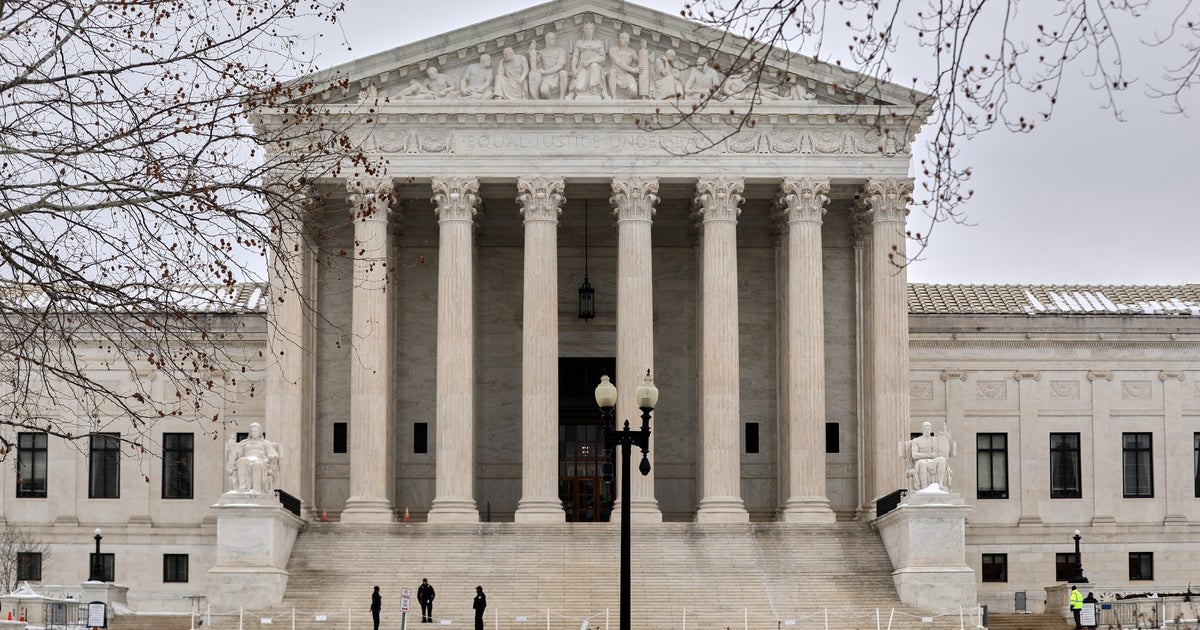

Supreme Court Rules on Parental Rights in Transgender Student Notification Cases
A Landmark Decision Affecting California Schools
In a significant ruling that has reignited the national debate over parental rights versus student privacy, the Supreme Court issued an emergency order on Monday allowing California schools to inform parents when their children identify as transgender, without first obtaining the student’s consent. This decision temporarily blocks a California state law that had prohibited schools from implementing automatic parental notification policies when students request to use different pronouns or express a different gender identity at school. The ruling represents a major victory for conservative groups and religious families who have argued that schools should not be permitted to keep information about their children’s gender identity from them. This case has become a focal point in the broader cultural and legal battles surrounding transgender rights, parental authority, and the role of public schools in addressing gender identity issues among minors.
The Background: Religious Parents Challenge School Policies
The legal challenge that led to this Supreme Court decision was brought by two groups of Catholic parents, represented by the Thomas More Society, a conservative legal organization that frequently takes on religious freedom cases. These parents argued that California school policies effectively forced educational institutions to deceive them and secretly support their children’s social gender transitions, even when parents explicitly objected on religious or other grounds. The parents contended that schools were essentially partnering with their children to hide significant personal and psychological developments from them, violating their fundamental right to be involved in their children’s lives and make decisions about their upbringing. According to the plaintiffs, these policies created an environment where schools actively worked against parental authority and religious values, potentially encouraging children to pursue gender transitions without the guidance, support, or even knowledge of their families. The Thomas More Society argued that this represented government overreach into family matters and infringed upon parents’ constitutional rights to direct the education and upbringing of their children according to their religious beliefs and values.
California’s Position: Protecting Student Privacy and Safety
California state officials defended their law by emphasizing the importance of protecting transgender and gender-questioning students’ privacy, particularly in situations where students might face rejection, hostility, or even harm from their families if their gender identity were disclosed. The state argued that mandatory parental notification policies could put vulnerable students at risk, potentially leading to family conflict, emotional abuse, or even homelessness if parents react negatively to learning their child identifies as transgender. California’s legal team contended that school policies were carefully designed to strike a delicate balance between respecting parental rights and protecting student welfare and privacy. They pointed to research and testimony from LGBTQ+ advocacy groups suggesting that some transgender youth face significant dangers when their identities are revealed to unsupportive families, and that schools serve as safe spaces where these students can explore their identities without fear of reprisal. The state maintained that school counselors and administrators are in the best position to assess individual situations and determine when and how to involve parents, rather than having a blanket requirement that could endanger some students while attempting to inform parents in all cases.
The Supreme Court’s Decision and Its Implications
The Supreme Court’s decision to grant the emergency appeal effectively reinstates a lower-court order that had blocked California’s law and the school policies in question while the underlying legal case continues through the judicial system. This means that, for now, California schools are not prohibited from informing parents about their children’s gender identity changes at school, pending the final resolution of the case. The ruling continues a pattern of the Supreme Court siding with religious plaintiffs in cases involving LGBTQ+ issues and education. Previous decisions have allowed parents to remove their children from public school lessons featuring storybooks with LGBTQ+ characters, reflecting the court’s current tendency to prioritize parental rights and religious freedom in these contexts. Legal experts suggest this emergency order, while not a final ruling on the merits of the case, signals how the justices might ultimately decide similar disputes. The decision has immediate practical implications for schools across California, which must now reconsider their policies regarding student privacy and parental notification. It also sends a message to other states grappling with similar questions about how to handle these sensitive situations.
Part of a Broader Legal and Cultural Battle
This Supreme Court order arrives amid a much larger national conversation and series of legal battles concerning transgender rights, particularly as they relate to minors. Just months before this ruling, the Supreme Court upheld state bans on gender-affirming medical care for transgender minors, a decision that emboldened conservative lawmakers and advocacy groups across the country. Additionally, the justices appear to be leaning toward allowing states to prohibit transgender athletes from competing on girls’ sports teams, another highly contentious issue that has divided Americans along ideological and political lines. Justice Samuel Alito has characterized school policies regarding transgender students as “an issue of great and growing national importance,” suggesting that the Court recognizes the significance of these cases and may be inclined to establish clearer legal standards in this area. In December, the Court declined to hear a similar case from Wisconsin, though three conservative justices indicated they would have taken up that case, demonstrating that there is substantial interest among the Court’s conservative majority in addressing these issues. The Trump administration has also weighed in on these matters, with the Justice Department finding in January that California’s policies violated parents’ rights to access their children’s education records and subsequently suing over the state’s transgender athlete policies, claiming they violate federal civil rights law.
Looking Ahead: What This Means for Students, Parents, and Schools
As this case continues to work its way through the legal system, schools, parents, and students across California and the nation face considerable uncertainty about what policies will ultimately prevail. For transgender and gender-questioning students, the Supreme Court’s decision may create anxiety about whether their schools will become less safe spaces where they can explore their identities without fear of unwanted disclosure to their families. Advocacy groups for LGBTQ+ youth have expressed concern that mandatory parental notification requirements could lead to increased rates of family rejection, mental health crises, and even suicide among vulnerable young people. On the other side, parents’ rights advocates and religious groups view this decision as an important step toward restoring what they see as the natural and constitutional authority of parents to know what is happening in their children’s lives and to guide them through significant personal and psychological developments. Schools find themselves caught in the middle, tasked with supporting all students while navigating competing legal requirements, protecting student privacy, respecting parental rights, and avoiding litigation from either side. The ultimate resolution of this case will likely have far-reaching implications not just for California but for school districts nationwide as they develop policies addressing one of the most sensitive and divisive issues in contemporary American education and family law.