
Alabama Death Row Inmate Granted Chance at New Trial After 35 Years
Supreme Court Declines to Block Lower Court’s Racial Bias Ruling
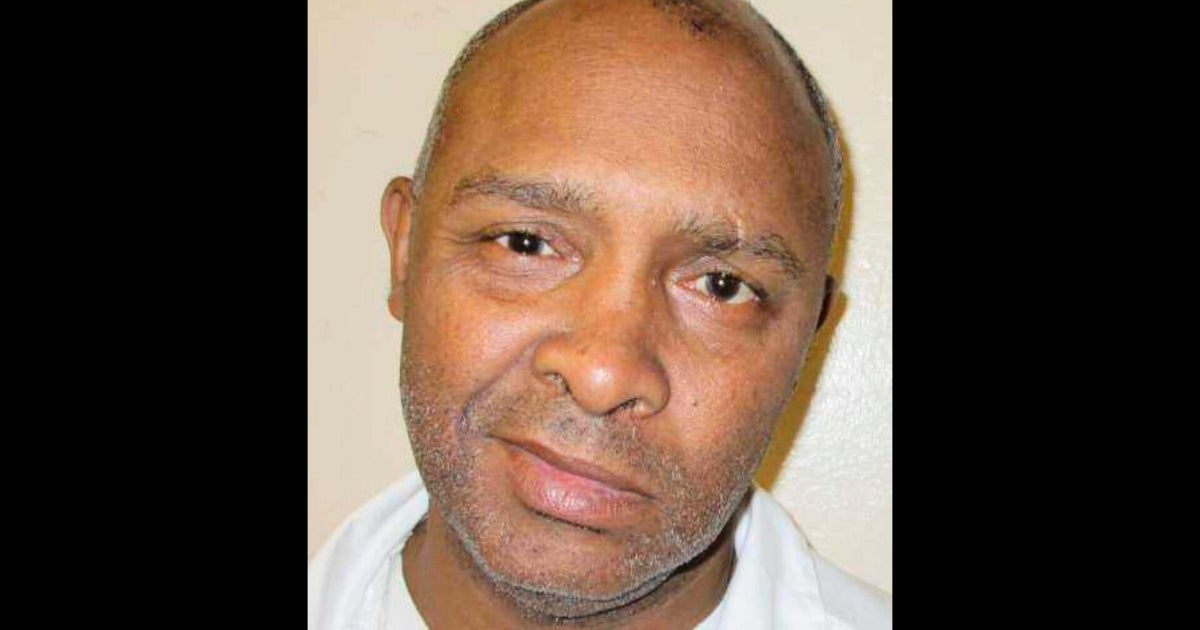
In a significant development that highlights ongoing concerns about racial discrimination in America’s criminal justice system, the U.S. Supreme Court has opened the door for Michael Sockwell, one of Alabama’s longest-serving death row inmates, to potentially receive a new trial. The nation’s highest court made this decision on Monday by refusing to review Alabama’s appeal of a lower court ruling that had determined prosecutors in Sockwell’s original case violated his constitutional rights through the deliberate exclusion of Black jurors. This pivotal moment comes after Sockwell has spent more than three decades—since 1990—on Alabama’s death row, waiting in limbo as his case wound through various levels of the appeals process. His legal team expressed gratitude for the Supreme Court’s decision, with attorney Michael Rayfield emphasizing that his client has been denied fundamental fairness for over 35 years and pledging to continue fighting for his freedom.
The Original Crime and Conviction
The case that led to Sockwell’s controversial conviction dates back to 1988, when Montgomery County Sheriff’s Deputy Isaiah Harris was shot in the face while on his way to work. Prosecutors painted a dark picture of betrayal, describing the killing as a murder-for-hire scheme orchestrated by Harris’ own wife. Sockwell was ultimately convicted of the deputy’s murder in 1990, in a trial that would later be scrutinized for serious constitutional violations. The tragic death of a law enforcement officer naturally generated strong emotions in the community, and the prosecution sought the ultimate penalty. However, the manner in which the trial was conducted—particularly the jury selection process—would eventually become the focal point of appeals that have kept the case alive for decades. Adding another layer of complexity to the case, Harris’ wife was also convicted of capital murder. She initially received a death sentence as well, though her sentence was later reduced to life imprisonment, creating an unusual situation where the alleged mastermind received a lesser punishment than the person accused of carrying out the act.
Evidence of Systematic Racial Discrimination in Jury Selection
The turning point in Sockwell’s long legal battle came in June when the 11th U.S. Circuit Court of Appeals issued a 2-1 opinion that found Alabama prosecutors had violated Sockwell’s 14th Amendment rights through the intentional exclusion of Black potential jurors. Judge Charles Wilson, who authored the majority opinion, didn’t mince words in his assessment, stating that Alabama prosecutors “repeatedly and purposefully” rejected qualified Black jurors in Sockwell’s case, as reported by CBS affiliate WHNT. The opinion specifically cited records showing that Montgomery County Assistant District Attorney Ellen Brooks struck a potential juror simply because he was a Black man. This practice, known as racial discrimination in jury selection, has been unconstitutional since the Supreme Court’s landmark 1986 decision in Batson v. Kentucky, which prohibited prosecutors from excluding potential jurors solely on the basis of race. The appellate court’s finding suggests a pattern of behavior that went beyond isolated incidents, pointing instead to a systematic effort to shape the jury’s racial composition in a way that prosecutors believed would be more favorable to securing a conviction and death sentence.
The Judge Override and Alabama’s Troubled Capital Punishment History
Even the jury that ultimately convicted Sockwell seemed to harbor doubts about whether he deserved the ultimate punishment. In an unusual split, the jury voted 7-5 to recommend that Sockwell receive life imprisonment rather than death. However, under Alabama law as it existed at the time, judges had the power to override jury recommendations in capital cases—and that’s exactly what happened. The presiding judge disregarded the jury’s preference for a life sentence and instead imposed the death penalty. This practice of judicial override in capital cases has been widely criticized as undermining the jury system and has been associated with racial disparities in sentencing. Recognizing these problems, Alabama eventually changed its laws to prohibit judges from overriding jury sentencing decisions in capital cases. This means that if Sockwell were tried today under current Alabama law, even if convicted, he would receive a life sentence rather than death based on the same jury vote. The fact that Sockwell remains under a death sentence that could not be imposed under today’s standards adds another dimension of injustice to his situation and strengthens the argument that his case deserves fresh examination.
What Happens Next: The Path Forward
Following the Supreme Court’s decision not to interfere with the appellate court’s ruling, the case now returns to lower courts with significant implications. A federal judge ruled in November that prosecutors must take concrete steps by March 18 to either pursue a new trial or Sockwell should be released from prison entirely. This deadline creates real pressure on the Montgomery County District Attorney’s Office to make a decision about how to proceed. A spokeswoman for that office indicated on Monday that they intend to retry the case, though she declined to provide additional details about their strategy or timeline. If prosecutors do move forward with a new trial, it would occur under very different circumstances than the original 1990 proceeding—with heightened scrutiny of jury selection processes, modern evidentiary standards, and the knowledge that any conviction cannot result in a death sentence given the 7-5 jury vote that would likely be replicated. The prosecution will need to carefully examine whether their evidence remains strong enough after 35 years, whether witnesses are still available and credible, and whether pursuing the case serves the interests of justice given the constitutional violations that tainted the original trial.
Broader Implications for Criminal Justice Reform
Michael Sockwell’s case represents far more than just one man’s fight for justice—it serves as a window into persistent problems within America’s capital punishment system, particularly regarding racial bias. The deliberate exclusion of Black jurors from cases involving Black defendants has been documented across the country and represents a continuation of historical efforts to deny African Americans full participation in the justice system. Studies have repeatedly shown that all-white or predominantly white juries are more likely to convict Black defendants and impose harsher sentences. The fact that prosecutors in Sockwell’s case felt comfortable “repeatedly and purposefully” excluding Black jurors suggests a legal culture that, at least at that time, tolerated or even encouraged such discrimination. While laws and awareness have evolved since 1990, recent research indicates that racial discrimination in jury selection persists in more subtle forms. Sockwell’s case also highlights the importance of robust appellate review and the willingness of courts to correct constitutional violations even decades after they occur. For the 63-year-old man who has spent more than half his life in prison, most of it on death row, the Supreme Court’s decision offers something he hasn’t had in 35 years: hope. Whether that hope translates into actual freedom, a new trial, or continued incarceration remains to be seen, but the acknowledgment that his original trial was fundamentally unfair represents a significant victory for him and for the principle that justice, even when delayed, must ultimately be served without regard to race.