


Major U.S. Drug Trafficking Charges Rock Mexican Politics
High-Ranking Officials Face Serious Federal Indictments
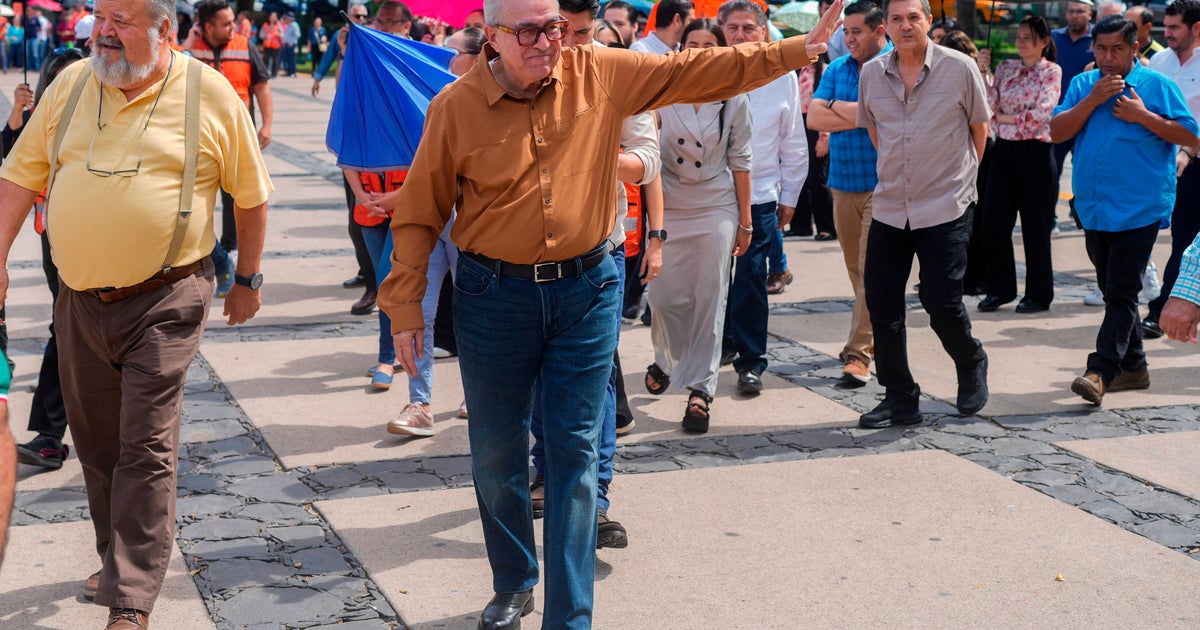
In a stunning development that has sent shockwaves through both American and Mexican political circles, federal prosecutors in New York unsealed an indictment on Wednesday charging ten current and former Mexican officials with serious drug trafficking and weapons violations. At the center of this explosive case is Rubén Rocha Moya, the 76-year-old governor of Sinaloa state, who faces allegations of conspiring to import narcotics and possessing machine guns and destructive devices. The charges carry devastating potential consequences—if convicted, Rocha could spend the rest of his life behind bars, with a mandatory minimum sentence of 40 years in federal prison. The officials allegedly worked hand-in-glove with the notorious Sinaloa Cartel, specifically the faction known as “Los Chapitos,” which is controlled by the sons of imprisoned drug lord Joaquín “El Chapo” Guzmán. According to federal authorities, these government insiders played crucial roles in facilitating the massive flow of deadly substances—including fentanyl, heroin, cocaine, and methamphetamine—from Mexico into American communities. None of the accused individuals are currently in U.S. custody, though Mexico confirmed receiving multiple extradition requests shortly after the announcement, though officials declined to specify who was being requested or how they would respond to these demands.
Political Fallout Creates Headaches for Mexican Leadership
The timing and composition of these indictments couldn’t be more politically complicated for Mexican President Claudia Sheinbaum. Several of the accused officials belong to her own progressive ruling party, Morena, including Governor Rocha, Senator Enrique Cazarez, and the mayor of Sinaloa’s capital city. This creates an extremely delicate situation as Sheinbaum simultaneously tries to maintain her government’s credibility while facing mounting pressure from the Trump administration regarding drug trafficking and border security issues. Governor Rocha has been one of Morena’s most prominent figures, serving as a staunch ally of Sheinbaum’s mentor, former President Andrés Manuel López Obrador, who built his entire political brand on fighting the endemic corruption that has plagued Mexican politics for generations. Rocha enthusiastically championed López Obrador’s controversial “Hugs, Not Bullets” policy, which deliberately avoided direct military confrontation with the powerful drug cartels. Now, with these serious allegations surfacing, some party members are crying foul, characterizing the indictment as a politically motivated attack on Morena itself rather than a legitimate law enforcement action. This puts Sheinbaum in the uncomfortable position of defending party members while also appearing tough on the very corruption and cartel influence that her party promised to eliminate.
Governor Denies All Allegations, Claims Attack on Mexican Sovereignty
In a defiant response posted to social media, Governor Rocha issued a forceful denial of all charges, describing the U.S. indictment as a deliberate “attack” on Mexico. “I categorically and absolutely reject the charges from U.S. officials,” Rocha wrote on X (formerly Twitter). “These accusations are part of a perverse strategy to violate the constitutional order, specifically on national sovereignty. We will show them that this slander doesn’t have any sort of foundation.” His strongly worded statement frames the charges not merely as false accusations against him personally, but as an infringement on Mexico’s autonomy as a nation—a message likely to resonate with nationalistic sentiments among some segments of the Mexican population who view U.S. law enforcement actions on Mexican soil or against Mexican officials with suspicion. However, Rocha’s denials come against a backdrop of previous scandal. He was already embroiled in controversy back in 2023 when his name appeared in a letter written by a Sinaloa Cartel leader who had been kidnapped by a rival cartel faction and subsequently handed over to U.S. law enforcement. In that letter, the cartel figure claimed that when he was abducted, he believed he was on his way to a meeting with Governor Rocha himself—a deeply troubling allegation that raised serious questions about the governor’s potential connections to organized crime long before these formal charges materialized.
U.S. Officials Emphasize Corruption’s Central Role in Drug Trade
American law enforcement officials made clear that Wednesday’s indictment represents more than just another drug trafficking case—it’s a direct assault on the corrupt relationships that enable cartels to operate with such devastating effectiveness. “As the indictment lays bare, the Sinaloa Cartel, and other drug trafficking organizations like it, would not operate as freely or successfully without corrupt politicians and law enforcement officials on their payroll,” declared U.S. Attorney Jay Clayton in an official statement. DEA Administrator Terrance Cole echoed this sentiment, emphasizing how the accused individuals allegedly betrayed the public trust: “The defendants allegedly used positions of trust to protect cartel operations, enabling a pipeline of deadly drugs into our country.” The Sinaloa Cartel has been designated by the U.S. government as a terrorist organization, one of eight Latin American crime groups to receive this classification. According to the indictment, the officials not only facilitated drug trafficking operations but actively participated in the cartel’s campaigns of violence and retribution. Their alleged involvement with “Los Chapitos”—the sons of El Chapo who have continued their father’s criminal empire—points to a deeply entrenched system of corruption that has allowed one of the world’s most powerful drug trafficking organizations to flourish despite billions of dollars spent on counter-narcotics efforts.
Broader Anti-Corruption Campaign Targets Mexican Officials
The indictments unveiled Wednesday are part of a larger, more aggressive American strategy targeting corruption within Mexican government ranks. Just last week, U.S. Ambassador to Mexico Ronald Johnson announced that the administration would launch a comprehensive anti-corruption campaign specifically aimed at Mexican officials believed to have connections to organized crime. “Corruption not only hinders progress, it distorts it. It increases costs, weakens competition, and erodes the trust upon which markets depend. It is not a problem without victims,” Johnson stated, framing corruption not as a victimless administrative failing but as a direct threat to both nations’ security and prosperity. This isn’t the first time the United States has successfully prosecuted high-ranking Mexican officials on drug-related charges. In 2023, Genaro García Luna—who served as public security secretary under former President Felipe Calderón—was convicted in a U.S. court and sentenced to 38 years in prison after being found guilty of accepting bribes from the Sinaloa Cartel. Despite García Luna’s denials and ongoing appeal, his conviction demonstrated that the U.S. justice system is willing and able to pursue even the highest levels of Mexican law enforcement and government when credible evidence of cartel collaboration emerges.
Diplomatic Tensions Rise as Both Nations Navigate Complex Situation
The charges have created significant diplomatic friction between the neighboring countries at a time when cooperation on security matters is arguably more important than ever. President Sheinbaum responded to the American anti-corruption campaign by stating that her government has not seen “any evidence” supporting the corruption allegations. “Any investigation in the United States against any person in Mexico must have evidence reviewed by the Attorney General’s Office,” Sheinbaum insisted on Monday, asserting Mexico’s right to evaluate the validity of charges against its own officials. Ambassador Johnson, however, carefully avoided commenting on specific details of the indictments while making clear the American position: “While we cannot comment on the individual facts of these indictments, and the legal process will need to play out, one thing is certain: corruption that enables organized crime and harms both our countries will be investigated and prosecuted wherever U.S. jurisdiction applies.” Meanwhile, Sheinbaum’s government has been conducting its own crackdown against cartels, detaining several local officials across Mexico—actions that some observers see as responses to pressure from the Trump administration. The situation in Sinaloa itself remains volatile, with the cartel’s two warring factions continuing to battle for territorial control, leaving ordinary citizens caught in the crossfire. This latest indictment, naming Governor Rocha who was born in the same town as El Chapo himself, underscores just how deeply cartel influence has allegedly penetrated Mexican government institutions, and how difficult the path forward will be for leaders on both sides of the border who genuinely want to break the cycle of corruption and violence.