
Supreme Court Weighs Fate of Temporary Protections for Syrian and Haitian Immigrants
A Critical Decision with Far-Reaching Consequences
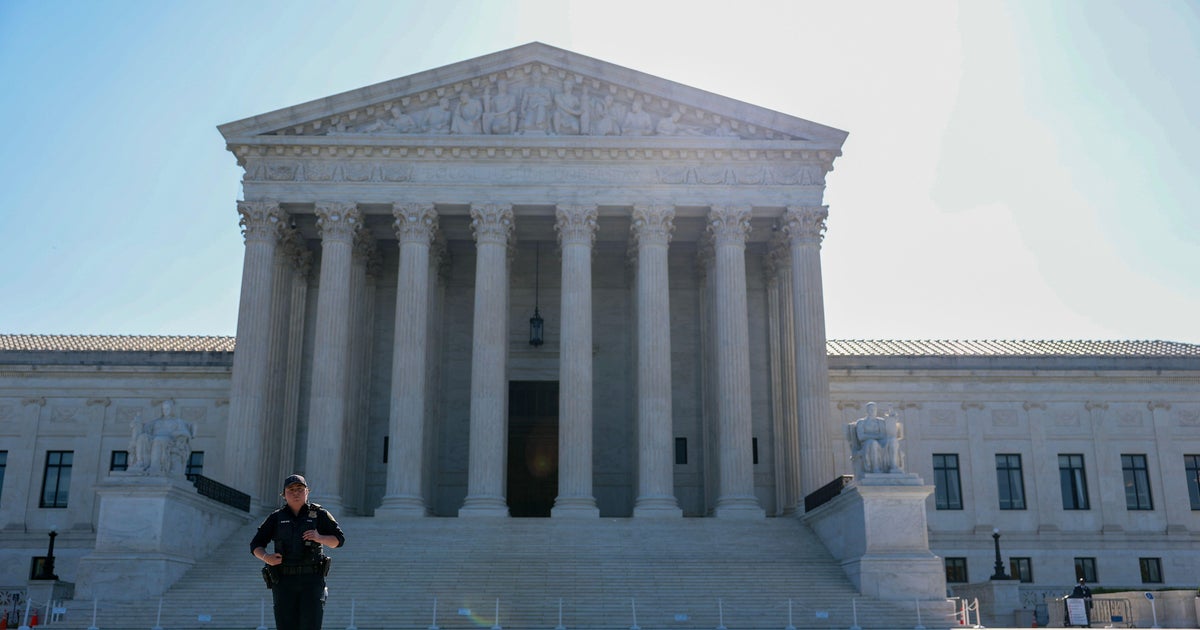
The U.S. Supreme Court found itself at the center of a contentious immigration debate this Wednesday as justices heard arguments concerning the Trump administration’s decision to strip away deportation protections from hundreds of thousands of immigrants. At stake are the lives and futures of more than 6,000 Syrian nationals and approximately 350,000 Haitian immigrants who have been living in the United States under Temporary Protected Status, or TPS. This legal showdown represents just one piece of President Trump’s broader immigration strategy, which has prioritized mass deportations and the dismantling of protective programs established by previous administrations. Since the beginning of his second term, the president has moved aggressively to revoke TPS designations for roughly one million immigrants from 13 different countries, fundamentally reshaping America’s approach to humanitarian immigration relief. The cases before the Court—Mullin v. Doe and Trump v. Miot—challenge former Homeland Security Secretary Kristi Noem’s determinations that conditions in Syria and Haiti had improved sufficiently to justify ending their TPS designations, decisions that immigration advocates argue were politically motivated rather than based on genuine safety assessments.
Understanding Temporary Protected Status and Its Legal Framework
To fully grasp what’s at stake in this Supreme Court battle, it’s essential to understand what Temporary Protected Status actually means and how it functions within America’s complex immigration system. Created by Congress in 1990, TPS was designed as a humanitarian safety valve—a way for the United States to respond compassionately when foreign nationals find themselves unable to safely return home due to armed conflict, environmental disasters, or other extraordinary circumstances that temporarily make return impossible or unsafe. The program grants the Secretary of Homeland Security significant discretionary power to designate countries for protection and to determine when those protections should end. These designations last for 18-month periods but can be extended repeatedly if conditions in the home country remain dangerous. Over the years, TPS has provided crucial protection to immigrants from countries experiencing civil wars, devastating earthquakes, hurricanes, and political upheaval. For the individuals protected under this program, TPS means more than just paperwork—it represents the ability to work legally, support their families, and build lives without the constant fear of being torn from their communities and sent back to potentially life-threatening situations. The program has long enjoyed bipartisan support as a reasonable middle ground in immigration policy, acknowledging that while these immigrants may not qualify for permanent refugee status, forcing them to return during periods of crisis would be both cruel and contrary to American values.
The Trump Administration’s Rationale and Legal Arguments
The Trump administration’s push to terminate TPS for Syrians and Haitians rests on the argument that conditions in these countries have improved enough to justify ending the temporary protections and that the Homeland Security Secretary properly followed the law in reaching these conclusions. Secretary Noem announced that Syria’s designation would end last November and Haiti’s in February, giving immigrants from these countries roughly 60 days’ notice before their protections would expire. The administration’s Solicitor General, D. John Sauer, has argued forcefully in court filings that federal judges have overstepped their authority by second-guessing these executive branch decisions, essentially substituting their own judgment for that of administration officials on matters of foreign policy and country conditions. Sauer contends that the TPS statute should be interpreted broadly to prevent courts from reviewing not just the ultimate decision to end protections but also the process and analysis the Secretary undertook in reaching that decision. He rejected claims that Secretary Noem failed to properly consult with the State Department and other relevant agencies before making her determinations, arguing that the consultation requirement doesn’t give courts the power to evaluate whether agencies communicated “enough” or in sufficient detail. The administration also pushed back hard against suggestions that racial bias played any role in the Haiti decision, dismissing such claims as both legally and factually baseless.
The Immigrants’ Case: Process Violations and Safety Concerns
Immigration advocates and lawyers representing the Syrian and Haitian TPS holders have mounted a compelling challenge to the administration’s terminations, arguing that Secretary Noem failed to follow the law’s requirements and that her safety determinations contradict the government’s own assessments. Their legal strategy focuses on demonstrating that the consultation process with the State Department was inadequate and superficial, failing to meet the statute’s clear requirement for meaningful interagency discussion about conditions in the affected countries. The plaintiffs point to a glaring inconsistency: the State Department currently maintains Level 4 travel advisories for both Syria and Haiti—the highest warning level, advising Americans not to travel to these countries under any circumstances due to kidnapping risks, terrorist activity, civil unrest, and general danger. How, the lawyers ask, can the administration simultaneously warn Americans that these countries are too dangerous to visit while declaring them safe enough to deport thousands of vulnerable immigrants back to them? Beyond these procedural and factual arguments, the plaintiffs have also highlighted troubling public statements from Secretary Noem and President Trump himself, which they argue reveal that the true motivation behind ending TPS was political—driven by the president’s campaign promise to dramatically reduce immigration and pursue mass deportations rather than by genuine, good-faith assessments of safety conditions in Haiti and Syria.
The Constitutional Question: Can Courts Review These Decisions?
Perhaps the most significant legal question before the Supreme Court isn’t about Haiti or Syria specifically, but rather about the fundamental role of courts in checking executive power on immigration matters. The Trump administration has taken an expansive view of executive authority, arguing that the TPS statute essentially bars any judicial review of the Secretary’s decisions—a position that would leave these determinations virtually immune from legal challenge regardless of how arbitrary or politically motivated they might be. If the Court accepts this interpretation, it would represent a dramatic expansion of unchecked executive power in the immigration context, potentially allowing future administrations to make TPS decisions based on political considerations, personal prejudices, or inadequate analysis without any meaningful oversight. The immigrants’ lawyers have urged a more nuanced interpretation: while they acknowledge that courts shouldn’t second-guess the Secretary’s ultimate judgment about whether a country is safe (a determination that involves foreign policy expertise and discretion), they argue that courts absolutely should be able to review whether the Secretary followed the process required by law—including genuine consultation with relevant agencies and consideration of the statutory criteria. This distinction matters enormously because it preserves a role for judicial oversight in ensuring that executive officials follow the law without having courts make substantive foreign policy decisions they’re not equipped to make.
History, Human Impact, and What Comes Next
The human stories behind these legal arguments are profound and heart-wrenching. Syria was first designated for TPS in 2012 during the Obama administration as the brutal Assad regime cracked down violently on peaceful protesters, plunging the country into a devastating civil war that has killed hundreds of thousands and displaced millions. Haiti received its initial TPS designation in 2010 following a catastrophic earthquake that killed an estimated 300,000 people and left the already impoverished nation in ruins; the Biden administration repeatedly extended Haiti’s designation as the country faced a cascade of crises including the 2021 assassination of its president, gang violence, political instability, and economic collapse. For the Syrian and Haitian immigrants living under TPS, many of whom have been in the United States for over a decade, this isn’t an abstract legal debate—it’s about whether they’ll be able to continue supporting their families, whether their U.S.-born children will lose a parent to deportation, and whether they’ll be forced back to countries where their safety cannot be guaranteed. After lower court judges in New York and Washington, D.C., blocked the terminations and appeals courts declined to reverse those decisions, the Supreme Court agreed to hear the cases while keeping the protections temporarily in place. The Court’s previous decisions last year allowing the termination of TPS for hundreds of thousands of Venezuelans suggest the justices may be sympathetic to the administration’s broad claims of executive authority. Whatever the Court ultimately decides, the ruling will have implications far beyond these specific cases, potentially reshaping the balance between humanitarian protection and executive immigration enforcement for years to come, and determining whether America will continue to serve as a safe haven for those fleeing extraordinary danger and hardship.