

The Growing Cost and Controversy of America’s Iran Conflict
A $25 Billion Price Tag and Mounting Questions
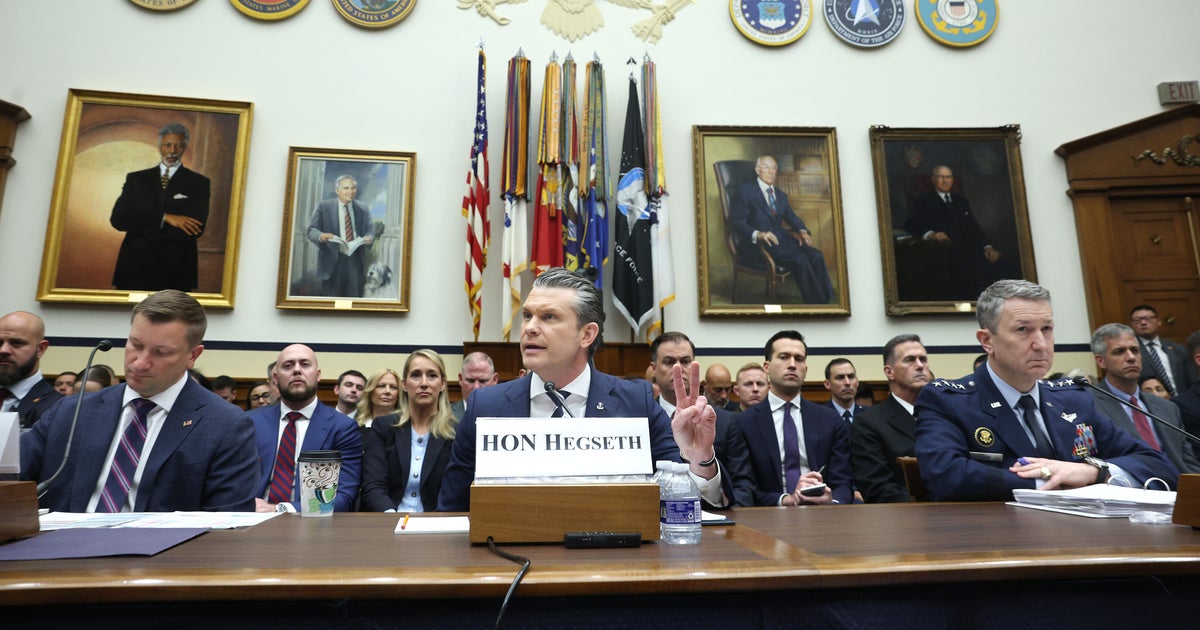
The American military engagement in Iran has reached a staggering financial milestone, with costs now estimated at approximately $25 billion, according to testimony delivered to Congress this week. Acting Comptroller Jules Hurst shared this eye-opening figure while appearing before the House Armed Services Committee alongside Defense Secretary Pete Hegseth and General Dan Caine, Chairman of the Joint Chiefs of Staff. The trio faced lawmakers to discuss the Defense Department’s massive $1.5 trillion budget request, but the conversation quickly centered on the escalating situation in Iran and what it means for American taxpayers and national security. This marked Secretary Hegseth’s first public testimony on Capitol Hill since last June—a significant gap that spans the period before the current conflict began. The hearing revealed deep divisions about how the administration is handling the crisis, with Democrats and some Republicans expressing serious concerns about whether there’s a coherent strategy in place or if the United States is simply improvising as events unfold.
Congressional Concerns About Strategy and Reality
The tension in the hearing room was palpable as Democratic Representative Adam Smith, the ranking member of the Armed Services Committee, challenged the Trump administration’s narrative about progress in Iran. Smith specifically referenced President Trump’s recent claims that Iran had agreed to sweeping concessions, including abandoning its nuclear program and relinquishing control of the strategically vital Strait of Hormuz—a waterway through which roughly 20% of the world’s oil passes. According to Smith, these assertions haven’t materialized into actual agreements or verifiable changes on the ground. His blunt assessment that “wish fulfillment is not really a strategy” captured the frustration many lawmakers feel about what they see as a disconnect between the administration’s optimistic rhetoric and the harsh realities of a conflict that shows no signs of ending soon. Smith emphasized that what Congress and the American people need isn’t aspirational thinking or premature victory declarations, but rather a concrete, workable plan that can actually achieve stated objectives while protecting American interests and lives.
Hegseth Fires Back at Critics
Defense Secretary Pete Hegseth didn’t take the criticism lying down. In his opening remarks, he launched a counteroffensive against what he characterized as unhelpful second-guessing from Capitol Hill. In a particularly pointed comment, Hegseth told the committee that “the biggest adversary we face, at this point, are the reckless, feckless, and defeatist words of congressional Democrats and some Republicans, two months in.” This sharp rebuke reflects the administration’s apparent frustration with growing skepticism about the Iran operation, even as it seeks billions more in funding to continue military operations. Hegseth attempted to frame the conflict in generational and historical terms, reminding lawmakers that his generation witnessed firsthand how the wars in Iraq and Afghanistan dragged on for years, even decades. He argued that the Iran engagement is merely two months old and represents “an existential fight for the safety of the American people”—language that suggests the administration sees this conflict as fundamentally different from previous Middle Eastern engagements. However, this framing sits uncomfortably alongside President Trump’s initial prediction at the war’s outset that the operation would last only four to six weeks, a timeline that has already been dramatically exceeded with no clear end in sight.
The Munitions Crisis and Industrial Readiness
Beyond the strategic debates, the hearing highlighted a troubling practical concern: America’s ability to sustain prolonged military operations. GOP Representative Mike Rogers, the committee chairman, opened the proceedings by noting that “global munition stockpiles are low, and we lack the capacity to rapidly restock magazine depth.” This admission reveals a vulnerability that has concerned defense experts for years—the United States military’s increasing reliance on precision-guided munitions and advanced weapons systems that cannot be quickly manufactured when supplies run low. The Iran conflict has apparently accelerated the depletion of these critical stockpiles, raising questions about America’s readiness to respond to other potential threats, particularly from major adversaries like China. Secretary Hegseth addressed these concerns by outlining the Defense Department’s efforts to work with defense contractors and manufacturers to dramatically increase production of essential weapons systems. He revealed that the Pentagon has identified 14 critical munitions that require priority attention, including some of the most sophisticated and expensive systems in the American arsenal.
The Technology Behind Modern Warfare
The specific weapons systems Hegseth mentioned illustrate just how technologically advanced—and expensive—modern warfare has become. The list includes Patriot and THAAD interceptors, which are defensive systems designed to shoot down incoming ballistic missiles, protecting troops, allies, and critical infrastructure from attack. These systems have proven their worth in combat but come with a hefty price tag, with individual interceptor missiles costing millions of dollars each. The Pentagon is also prioritizing production of SM-3 and SM-6 missiles, which are primarily used by Navy ships for air defense and anti-missile capabilities, reflecting the maritime dimension of the Iran conflict and the ongoing concerns about freedom of navigation through the Strait of Hormuz. Additionally, the military is pushing for increased production of AMRAAMS (Advanced Medium-Range Air-to-Air Missiles), JASSMS (Joint Air-to-Surface Standoff Missiles), and PrSMS (Precision Strike Missiles)—all advanced systems that allow American forces to strike targets from significant distances with remarkable accuracy. The challenge isn’t just manufacturing more of these weapons; it’s building up the industrial capacity and supply chains necessary to produce them at scale, something that takes time, investment, and coordination between government and private industry that has atrophied somewhat since the end of the Cold War.
Looking Ahead: Costs, Consequences, and China
The hearing ultimately revealed several uncomfortable truths about America’s current military posture and the Iran conflict’s broader implications. First, the $25 billion spent so far represents just the beginning of what could be a much larger financial commitment if the conflict continues to drag on beyond the administration’s initial projections. Second, the depletion of munitions stockpiles and the slow pace of industrial production create genuine strategic vulnerabilities, particularly regarding the military’s stated priority of deterring Chinese aggression in the Pacific. If American arsenals are being depleted in Iran, what reserves remain available should tensions escalate with Beijing over Taiwan or other flashpoints? Third, the apparent stalemate in diplomatic talks with Iran suggests that military pressure alone may not be sufficient to achieve the administration’s stated objectives, potentially setting the stage for either an uncomfortable compromise or an even more extensive military commitment. The political divisions on display during the hearing also suggest that the administration may face growing difficulty maintaining congressional support—and funding—for the operation if it continues without clear progress. As the conflict enters its third month, with costs mounting and strategic questions multiplying, both the administration and Congress face difficult decisions about how much blood and treasure America is willing to invest in this latest Middle Eastern engagement, especially while trying to maintain readiness for potential great power conflicts elsewhere. The coming months will reveal whether the administration’s strategy can achieve its goals or whether, as Representative Smith suggested, wishful thinking has indeed substituted for sound strategic planning.