

FEMA Faces Perfect Storm: Financial Crisis Meets Hurricane Season During Government Shutdown
A Disaster Agency in Distress
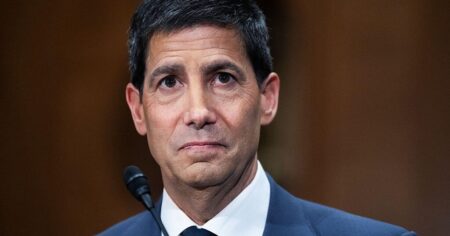
The Federal Emergency Management Agency (FEMA) finds itself walking a financial tightrope at possibly the worst time imaginable. With hurricane season looming just weeks away and the country gripped by a partial government shutdown, America’s disaster response agency has been forced into what officials call “Imminent Needs Funding” mode—a red-alert financial status triggered when the agency’s Disaster Relief Fund dips below the critical $3 billion threshold. This isn’t just about numbers on a balance sheet; it’s about FEMA’s ability to help Americans when they need it most. Victoria Barton, FEMA’s Associate Administrator, put it bluntly: “Disasters are unpredictable. They’re very costly. We don’t know what could happen between now and June 1.” The agency hasn’t shut down completely, but it’s operating like a family forced to choose between paying the electric bill or buying groceries—except in this case, the choices involve life-saving emergency response versus long-term community recovery. FEMA must now sharply prioritize immediate emergency response efforts, direct aid to disaster survivors, and protecting critical infrastructure, while putting the brakes on many reimbursements and longer-term recovery projects that communities desperately need.
The Hidden Cost: Paying the People Who Save Lives
What many Americans don’t realize is that FEMA’s funding squeeze doesn’t just affect disaster response—it impacts the people doing the responding. Roughly 10,000 FEMA staff members, including permanent employees and disaster-response personnel hired under the Stafford Act, receive their paychecks directly from the Disaster Relief Fund, even during government shutdowns. These aren’t desk workers shuffling papers; these are the boots-on-the-ground professionals who show up when hurricanes hit, floods rise, and wildfires rage. Their payroll alone costs between $300 million and $400 million every single month, making it one of the largest ongoing expenses draining the fund. This creates a painful catch-22: FEMA needs these workers ready to respond to disasters, but keeping them on payroll depletes the very funds needed to actually respond to those disasters. Even before officially entering crisis mode, FEMA officials had begun pumping the brakes on spending, slowing or selectively approving payments as they watched the fund approach the danger zone. The impact isn’t abstract—it’s hitting real communities with real needs, including rural hospitals waiting for reimbursements related to past disasters and pandemic-related aid.
Entering Uncharted Waters
FEMA has entered Imminent Needs Funding status nine times over the past two decades, so the agency has experience operating under financial constraints. However, officials emphasize that activating this emergency posture during an active government funding lapse is unprecedented territory. Nobody knows exactly how this will play out or how long disaster operations can be sustained under these combined pressures. The situation resembles a patient with two simultaneous medical emergencies—each one manageable on its own, but together creating dangerous complications. The risk compounds if the funding continues dropping. Officials acknowledge that in an extreme scenario, a completely depleted disaster fund could eventually halt not just recovery payments to communities but also affect the staffing funded through the account. If multiple disasters strike—or if a major hurricane barrels toward the coast—the entire system could buckle under the pressure. As Barton warned with understated urgency, “The potential response efforts … could be wiped out if there’s no disaster relief funding.” The stakes become clearer when you consider that disaster costs can spiral astronomically fast. Major disasters routinely rack up bills in the tens or even hundreds of billions of dollars. Hurricane Katrina caused approximately $160 billion in damage, while Hurricane Harvey topped $125 billion. While FEMA doesn’t cover all those expenses, the agency plays an absolutely central role in helping communities get back on their feet. Under federal law, FEMA typically reimburses at least 75% of eligible disaster costs for state and local governments—covering everything from debris removal to emergency response to infrastructure repair—with the federal share sometimes climbing even higher after the most catastrophic events.
The Hurricane Season Clock Is Ticking
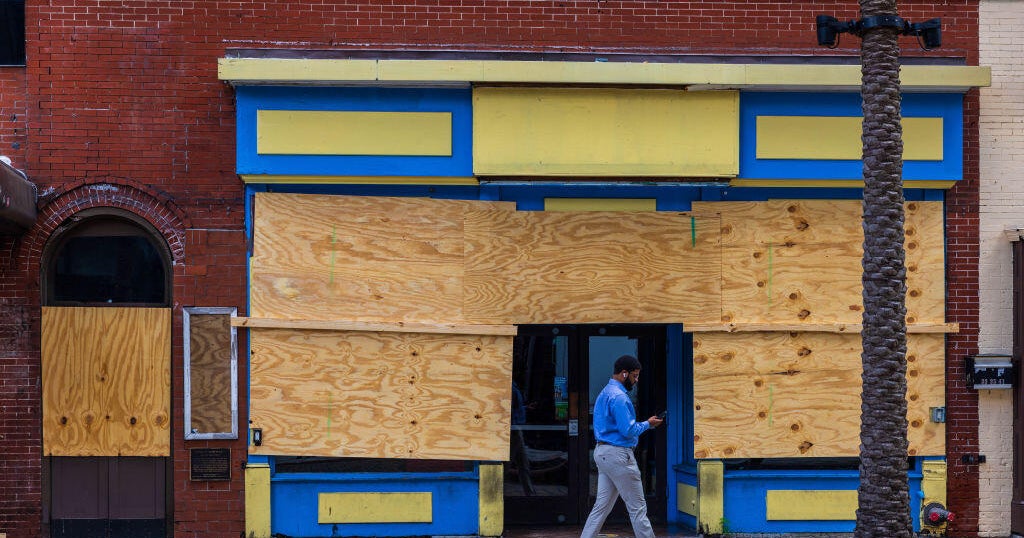
The calendar shows no mercy to bureaucratic or political problems. Hurricane season officially begins June 1, and storms don’t wait for Congress to pass funding bills or for agencies to sort out their budgets. The $3 billion threshold that FEMA uses isn’t arbitrary—it’s carefully calculated to ensure the agency can respond to at least one major catastrophic event. Dropping below that level is like a fire department running low on water before a drought-driven wildfire season; it dramatically increases the risk that multiple disasters or overlapping national emergencies could overwhelm available resources. Emergency management experts and FEMA officials are particularly worried about the scenario of quick succession disasters—imagine a major hurricane hitting the Gulf Coast while wildfires rage in the West and flooding strikes the Midwest simultaneously. With reduced reserves, communities could find themselves dangerously exposed, waiting longer for help or receiving less assistance than they need. History shows that hurricanes can arrive early, late, or in clusters. The 2017 season brought Harvey, Irma, and Maria in devastating succession. The 2020 season was so active that forecasters ran out of names and had to use Greek letters. Nature doesn’t coordinate with federal budget cycles, and communities in hurricane-prone regions know that preparation matters as much as response.
The Ripple Effects Nobody’s Talking About
Beyond the headline-grabbing funding crisis, the government shutdown is quietly disrupting FEMA’s broader preparedness machinery in ways that may not become apparent until disaster strikes. Training programs for emergency managers and first responders have been curtailed, affecting tens of thousands of participants each week who depend on that education to save lives when crisis hits. The agency has scaled back coordination with state and local partners—relationships that often mean the difference between chaos and organized response when disasters strike. Perhaps most tellingly, FEMA has been conspicuously absent from key national coordination events ahead of hurricane season, including the National Hurricane Conference and the National Emergency Management Association Midyear Forum. To outsiders, these might sound like just another round of conference sessions and rubber-chicken dinners. But to emergency management professionals, these gatherings are where the real work happens—where plans get refined, relationships get forged, and communities learn from each other’s experiences before disasters test those connections. Missing these events is like a football team skipping training camp before the Super Bowl. Meanwhile, the Department of Homeland Security reports that the National Flood Insurance Program is operating under severe limitations, causing delays in policy renewals and disrupting real estate markets in flood-prone regions. For families trying to buy or sell homes in coastal areas or flood zones, this isn’t theoretical—it’s preventing transactions from closing and leaving properties uninsured. These disruptions compound the financial pressures as officials race against time to maintain readiness while juggling limited resources and staffing uncertainty.
The Path Forward: More Than Just Money
FEMA officials are clear that the solution extends beyond simply refilling the disaster fund like topping off a gas tank. The problem runs deeper, requiring a restoration of full funding across the entire Department of Homeland Security. As Administrator Barton emphasized, “We really need to think about funding the entire organization so that we can properly serve the American people.” This crisis reveals the fundamental tension in how America approaches disaster management—we’re reactive rather than proactive, funding disaster response generously after catastrophes make headlines while shortchanging the preparation, training, and infrastructure that could reduce disaster impacts in the first place. The current situation also highlights how government shutdowns create cascading consequences that extend far beyond closed national parks or delayed passport processing. When FEMA operates in crisis mode, the communities most vulnerable to disasters—often rural areas, low-income neighborhoods, and regions still recovering from previous emergencies—bear the greatest burden. The rural hospitals waiting for pandemic-related reimbursements aren’t large medical centers with deep reserves; they’re often struggling facilities serving communities that have few alternatives. As hurricane season approaches with FEMA financially hamstrung and the government shutdown grinding on, the agency faces an impossible calculus: prepare for disasters that haven’t happened yet or respond to ongoing recovery needs from disasters that already struck. In an ideal world, this wouldn’t be an either-or choice. Americans affected by disasters deserve both preparation and recovery support. But until Congress acts to restore full funding and end the shutdown, FEMA will continue walking this tightrope, hoping that nature gives the agency a break it probably doesn’t deserve and almost certainly won’t get.