


Breaking Down the White House Correspondents’ Dinner Shooting Incident
What Actually Happened That Night
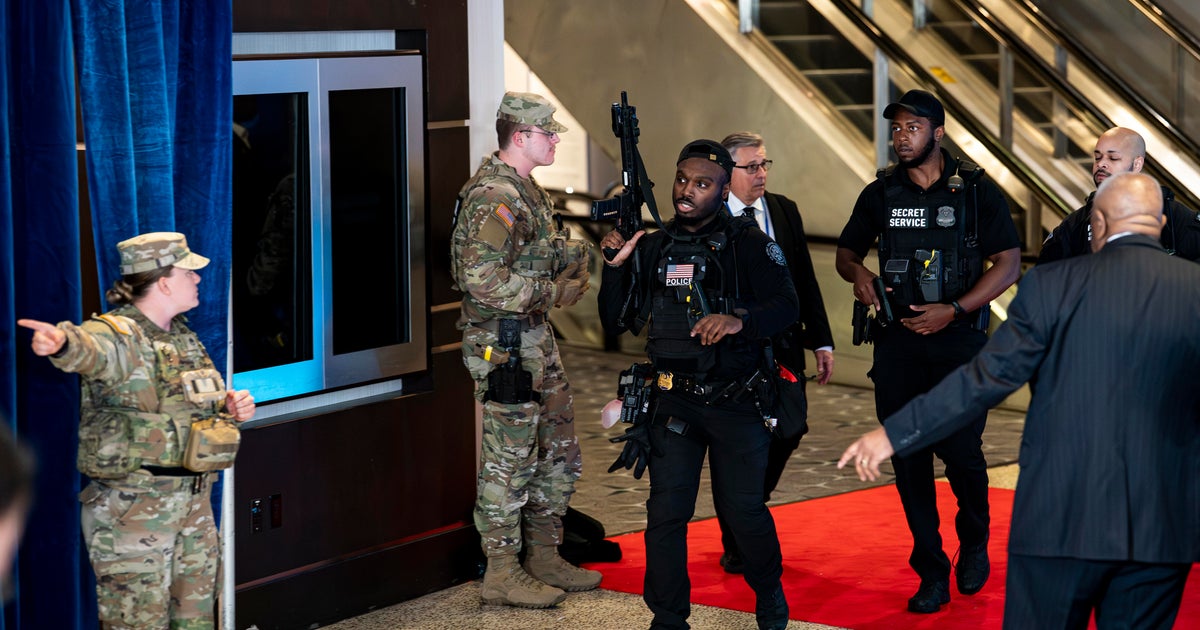
On a Saturday evening that was supposed to be filled with journalists, celebrities, and political figures gathering for the prestigious White House Correspondents’ Dinner, chaos erupted outside the Washington Hilton’s ballroom. A 31-year-old man from California named Cole Allen allegedly charged toward a security checkpoint with a shotgun, setting off a terrifying sequence of events that would involve gunfire, a wounded Secret Service officer, and what could have been a catastrophic tragedy. According to multiple senior law enforcement officials who spoke with CBS News on Wednesday, investigators have now pieced together crucial details about exactly what transpired during those frightening moments. The incident resulted in a total of six shots being fired—one from the suspected gunman and five from the Secret Service officer who was responding to the threat. What makes this situation particularly noteworthy is that early speculation about “friendly fire” has been definitively ruled out by investigators working on the case.
The Investigation Reveals Key Details
Justice Department investigators, working alongside experts from the Bureau of Alcohol, Tobacco, Firearms and Explosives, have conducted a thorough examination of the evidence from the scene. Their findings have confirmed that Cole Allen did indeed fire his shotgun during the confrontation at the security checkpoint. This determination is significant because it establishes that the threat was real and immediate, and that the Secret Service officer’s response was justified. The investigation has revealed something almost miraculous about why the officer who was struck wasn’t seriously injured. According to two sources with knowledge of the investigation, the bullet that hit the Secret Service agent appears to have struck a cellphone that was tucked inside a pocket of his bulletproof vest. This fortunate positioning of the phone, combined with the protective vest itself, meant that what could have been a life-threatening injury turned into a situation where the officer walked away without serious harm. It’s the kind of detail that sounds like it came from a movie script, but in this case, it may have genuinely saved someone’s life.
The Suspect and the Charges He Faces
Cole Allen, who traveled from Torrance, California, to Washington D.C., now faces some of the most serious federal charges imaginable. After allegedly charging the security checkpoint with a shotgun, Allen fell to the floor during the exchange of gunfire and was immediately arrested at the scene. Interestingly, despite being present during an incident where six shots were fired, Allen himself was not wounded. The charges brought against him reflect the severity of what prosecutors believe he intended to do: attempting to assassinate the president of the United States, discharging a firearm during a crime of violence, committing a violent crime, and transporting a firearm across state lines with the intent to commit a felony. These are charges that carry potentially massive prison sentences if he’s convicted. Allen made his first appearance in federal court on Monday following the Saturday incident, but he did not enter a plea at that initial hearing. The legal process is just beginning for him, and he’ll face the full weight of the federal justice system as his case moves forward through the courts.
Understanding the Security Response
The Secret Service officer who engaged with Allen demonstrated exactly the kind of quick thinking and decisive action that these elite protective agents are trained for. When confronted with an armed individual charging a security checkpoint at an event where high-profile government officials, journalists, and other public figures were gathered, the officer responded by firing five rounds at the threat. This wasn’t a panicked spray of bullets—it was a measured response to neutralize what appeared to be an active threat to the lives of everyone inside that building. The fact that the officer was struck during this exchange but continued to perform his duties speaks volumes about the training and dedication of Secret Service personnel. These men and women put their lives on the line to protect others, and this incident is a stark reminder of the very real dangers they face. The bulletproof vest did its job, and the fortunate placement of the cellphone added an extra layer of protection that prevented what could have been a tragic outcome for the officer and his family.
The Broader Implications and Context
This incident didn’t happen in a vacuum—it occurred during one of Washington D.C.’s most high-profile annual events. The White House Correspondents’ Dinner is traditionally attended by the president, members of the cabinet, journalists from major news organizations, and celebrities. It’s an event that requires massive security coordination and planning, with multiple layers of protection to ensure the safety of attendees. The fact that someone was able to approach a security checkpoint with a shotgun raises questions about how he got that far, though it also demonstrates that the security measures in place ultimately worked as intended. The checkpoint did exactly what it was supposed to do—it stopped the threat before it could reach the intended targets. In an era where threats against public officials and public gatherings have become increasingly common, this incident serves as a sobering reminder of why such extensive security measures are necessary. It also highlights the incredible pressure and split-second decision-making required of law enforcement and security personnel who protect these events.
Moving Forward: Justice and Security
As the legal case against Cole Allen moves through the federal court system, investigators will continue to examine every aspect of what happened and why. Prosecutors will need to prove their case beyond a reasonable doubt, demonstrating Allen’s intent and actions that Saturday evening. Meanwhile, security officials will undoubtedly conduct their own reviews of the incident to identify any lessons learned or improvements that can be made to prevent similar situations in the future. The Secret Service officer who was struck will hopefully make a full recovery and return to duty, carrying with him the knowledge that his training and equipment saved his life. For the attendees of the White House Correspondents’ Dinner who may have been unaware of the drama unfolding just outside the ballroom, this incident serves as a reminder of the unseen protection that surrounds high-profile events. The story of the cellphone that helped stop a bullet will likely become part of Secret Service lore—a reminder that sometimes luck and preparation combine to prevent tragedy. As this case continues to develop, it will be watched closely by security professionals, legal experts, and the public alike, all seeking to understand what drove someone to allegedly attempt such a brazen and dangerous act.