
Target Faces Challenges But Shows Signs of Hope Under New Leadership
Struggling Sales and Shifting Customer Expectations
Target has reported another disappointing quarter marked by declining sales and profits, reflecting the ongoing challenges the retail giant faces as it attempts to reconnect with customers who are grappling with higher prices across nearly every aspect of their daily lives. For the three-month period ending January 31st, the Minneapolis-based retailer earned $2.30 per share, totaling $1.05 billion—a noticeable drop from the $2.41 per share or $1.10 billion reported during the same period the previous year. The company’s adjusted earnings came in at $2.44 per share, while overall sales slipped 1.5 percent to $30.45 billion for the quarter. Over the full year, sales declined nearly 2 percent to $104.78 billion, painting a picture of a company struggling to maintain its momentum in an increasingly competitive and economically uncertain retail landscape.
The harsh reality of Target’s performance was perhaps best captured by Neil Saunders, managing director of GlobalData, who didn’t mince words when analyzing the retailer’s holiday quarter results. “Target is struggling to show up for customers in a consistent and compelling way,” Saunders explained to CBS News. “There are too many out of stocks, too little inspiration in ranges, too much muddle and mess in stores. And all these things are eroding sales, as evidenced by the 3.9% fall in store comparables over the period.” His assessment was blunt: “There is no way to sugarcoat it: Target underperformed over the holiday quarter.” These comments highlight fundamental operational issues that go beyond simple market conditions—they point to execution problems that have frustrated loyal shoppers who once regarded Target as a destination for both style and value. The fact that comparable-store sales fell 2.5 percent in the most recent quarter, following a 2.7 percent decline in the previous quarter, demonstrates that these aren’t isolated incidents but rather part of a troubling trend.
A Silver Lining in the Financial Forecast
Despite the gloomy sales figures, Target managed to offer investors a glimmer of hope with a profit outlook that exceeded Wall Street’s expectations and signals that quarterly sales growth may be on the horizon. The company projected that net sales would rise approximately 2 percent for the year, reaching roughly $106.88 billion, with forecasted earnings per share ranging between $7.50 and $8.50. This outlook surpassed analysts’ expectations of $7.30 per share according to FactSet, providing some reassurance that the retailer’s turnaround efforts might begin bearing fruit. Target also noted encouraging signs toward the end of the most recent quarter, with customer traffic and sales showing acceleration in the final two months of the period. Particularly positive was the news that comparable sales turned positive at the start of the current quarter, and the company reported growth in several key categories including food and beverage, beauty, and toys.
These forward-looking indicators helped boost investor confidence, with shares rising approximately 1.5 percent in premarket trading following the release of the results. While the recent performance has been disappointing, the market seems willing to look ahead to potential improvements rather than dwelling solely on past struggles. The combination of better-than-expected guidance and signs of momentum building late in the quarter suggests that Target’s various initiatives may be starting to resonate with shoppers, even if the full impact hasn’t yet shown up in the bottom line. For a company that has faced consecutive quarters of declining sales, any indication of stabilization and potential growth represents a meaningful shift in trajectory.
New Leadership Bringing Fresh Perspective and Urgency
The challenges facing Target now fall squarely on the shoulders of Michael Fiddelke, a company veteran with 20 years of experience who took over as CEO last month. Fiddelke inherits a retail operation that desperately needs to recapture the unique blend of style and value that once earned Target the affectionate nickname “Tarzhay” among devoted customers—a playful reference that reflected the retailer’s ability to offer upscale-feeling products at accessible prices. Investors and industry watchers are eagerly awaiting details of Fiddelke’s turnaround strategy, which he is expected to outline during the retailer’s upcoming annual meeting. The new CEO hasn’t wasted time getting to work, moving quickly on both personnel and operational changes that signal a willingness to make difficult decisions and tackle problems head-on.
According to a memo sent to employees in February, Fiddelke has already reshuffled the leadership team, increased spending on in-store staffing to address service issues, and implemented cuts at distribution facilities and regional offices to streamline operations. He has also begun the process of reworking Target’s private-label brands, including the popular home goods label Threshold, recognizing that these exclusive offerings are crucial to differentiating Target from competitors. Additionally, the company announced a merchandise collaboration with clothing brand Roller Rabbit that will appear in Target stores for a limited time—the kind of exclusive partnership that has historically generated excitement and foot traffic. Neil Saunders acknowledged the significance of this leadership change, noting, “As poor as the numbers are, Target gets something of a pass this quarter. Not because there are excuses for this performance, but because there has been a change at the top – and with it has come a change in tone.” His assessment suggests that while the problems are real and serious, there’s recognition that meaningful change takes time, and Fiddelke deserves an opportunity to implement his vision before being judged too harshly.
Multiple Headwinds Creating Perfect Storm of Challenges
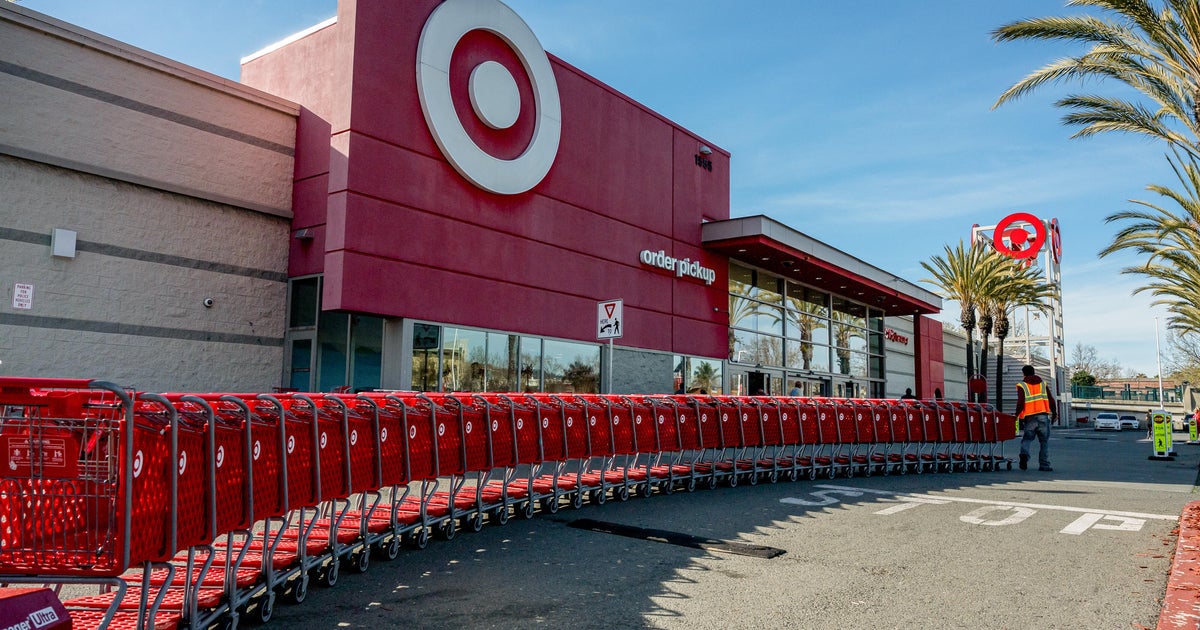
Target’s struggles aren’t attributable to a single cause but rather a convergence of multiple factors that have combined to erode the company’s competitive position. Industry analysts point to a range of issues that have contributed to the retailer’s weakness. Customers have increasingly complained about untidy stores and merchandise that fails to inspire—criticisms that strike at the heart of what made Target special in the first place. The company’s decision to use many of its nearly 2,000 stores as shipping hubs for online orders, while strategically sound from a logistics perspective, has had unintended consequences on the in-store shopping experience. Customers report that floor service has suffered because staff members are busy fulfilling digital orders rather than tending to store aisles, helping shoppers, or maintaining the neat, organized environment that was once a Target hallmark. These operational issues have coincided with intensifying competition from rivals, particularly Walmart, which has significantly increased its emphasis on fashion and other general merchandise categories that Target once dominated. Walmart has been steadily gaining market share as budget-conscious shoppers increasingly trade down amid persistent high prices.
Beyond operational and competitive challenges, Target has found itself caught in various political and social controversies that have complicated its business environment. The company’s hometown of Minneapolis became a focal point for national debates over immigration enforcement, with some Target stores becoming flashpoints in protests related to actions by U.S. Immigration and Customs Enforcement. The retailer faced pressure from various groups to take a public stand against immigration enforcement actions, placing it in the uncomfortable position of being expected to weigh in on highly charged political issues. Additionally, Target drew protests and calls for boycotts after it rolled back certain diversity, equity and inclusion initiatives, with critics accusing the company of betraying its philanthropic commitments and progressive values. Joe Feldman, senior managing director at Telsey Advisory Group, acknowledged that shopper boycotts tied to the company’s DEI decisions and its perceived response to ICE enforcement have cut into sales, though he expressed optimism that Fiddelke “seems to be willing to make changes to improve its operations.” These controversies represent the challenging landscape modern retailers must navigate, where business decisions increasingly become political statements that can alienate portions of the customer base regardless of which position the company takes.
Balancing Immediate Fixes with Long-Term Brand Building
As Target works to regain its footing, the company faces the delicate challenge of addressing immediate operational problems while simultaneously undertaking the longer-term work of rebuilding customer trust and refreshing its brand appeal. The short-term fixes are relatively straightforward, if not easy to implement: improve store cleanliness and organization, reduce out-of-stock situations, enhance customer service by better balancing in-store staffing between floor assistance and online order fulfillment, and ensure that merchandise is presented in an inspiring way that makes shopping feel like an experience rather than a chore. These operational improvements require investment, training, accountability, and consistent execution across nearly 2,000 locations—a massive undertaking but one with clear objectives and measurable outcomes.
The longer-term brand work presents a more nuanced challenge. Target must recapture the special quality that made it more than just another discount retailer—the sense of discovering unexpected treasures, the feeling of getting designer-inspired style without designer prices, and the experience of shopping in an environment that felt a cut above typical big-box stores. This requires thoughtful curation of merchandise, strategic partnerships with desirable brands, compelling private-label offerings, and an overall aesthetic that resonates with target demographics. Neil Saunders expressed cautious optimism about Target’s prospects, acknowledging the difficulties ahead: “It won’t be plain sailing, as issues like investment at a time of compressed profit will need to be squared. And customer trust will need to be rebuilt. However, goodwill for the Target brand remains, and if customers are presented with something better, they will, over time, respond positively.” This observation captures both the challenge and the opportunity—Target has damaged its relationship with customers through inconsistent execution, but the underlying affection for the brand hasn’t completely disappeared. If the company can deliver on its promises and provide the experience shoppers remember and want, there’s reason to believe customers will return.
Navigating Broader Economic Uncertainty and Looking Ahead
Target’s turnaround efforts are unfolding against a backdrop of broader economic uncertainty that affects both the company’s operations and its customers’ purchasing power. While inflation has cooled somewhat from its peak levels, consumer prices have still risen approximately 25 percent over the past five years—a staggering increase that has fundamentally changed household budgets and shopping behaviors. American families continue to feel pressure from higher costs across essential categories like food, housing, and healthcare, leaving less discretionary income for the types of home goods, apparel, and lifestyle products that have traditionally been Target’s sweet spot. This economic environment has pushed many consumers to become more price-conscious and selective in their spending, often favoring value-oriented retailers or focusing purchases on necessities rather than the fun, discovery-driven shopping that Target has historically encouraged.
Adding another layer of complexity is the evolving trade and tariff environment. The White House is seeking implementation of a global tariff of 15 percent following a Supreme Court decision that struck down several import taxes imposed over the past year. Such tariff policies could significantly affect retailers and their suppliers, potentially forcing difficult decisions about whether to absorb increased costs, pass them along to already price-sensitive customers, or find alternative sourcing strategies that might compromise quality or selection. For Target, which sources merchandise from around the world, navigating this trade policy landscape while maintaining competitive pricing and acceptable margins represents yet another challenge in an already difficult operating environment. Despite these headwinds, the company is pressing forward with its multi-faceted approach: making operational improvements to fix immediate problems, refreshing merchandising to reignite customer excitement, investing in staffing to enhance service, and streamlining operations to improve efficiency. The path ahead won’t be easy, but with new leadership bringing fresh perspective and urgency, positive early indicators in traffic and sales trends, and enduring goodwill toward the Target brand among consumers, there are legitimate reasons for cautious optimism that the retailer can reclaim its position as a beloved destination where style meets value.