
Tragic Mass Shooting in Austin: FBI Investigates Possible Terrorism Links
Initial Attack and Emergency Response
A devastating mass shooting unfolded in the heart of Austin, Texas, early Sunday morning, transforming what should have been an ordinary night in the city’s vibrant entertainment district into a scene of chaos and tragedy. The incident occurred just before 2 a.m. on Sixth Street, a popular area known for its bustling nightlife, bars, and restaurants. Two innocent people lost their lives, and more than a dozen others suffered injuries in what authorities are now investigating as a possible act of terrorism. The suspected gunman, a 53-year-old naturalized U.S. citizen originally from Senegal who lived in nearby Pflugerville, Texas, was killed during a confrontation with police officers who happened to be patrolling the area at the time. The quick response of law enforcement and emergency medical personnel undoubtedly prevented an even greater loss of life in what could have been an absolutely catastrophic situation.
The Terrifying Sequence of Events
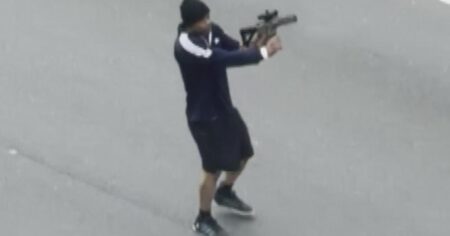
According to Austin Police Chief Lisa Davis, who spoke at a press conference on Sunday, the horror began when 911 operators started receiving frantic calls reporting an active shooter near Buford’s Bar on Sixth Street. Witnesses described a chilling scene: a large SUV circling the block multiple times before the driver activated his hazard lights, rolled down the window, and began firing a pistol at unsuspecting people enjoying themselves on the bar’s patio and sidewalk. The deliberate nature of the attack became even more apparent when the suspect parked his vehicle, stepped out onto the street, and continued his assault on people gathered in the area. The randomness of the victims—simply people out enjoying a night in one of Austin’s most popular entertainment zones—makes this tragedy all the more heartbreaking. The 911 calls painted a picture of absolute panic as gunshots rang out in an area typically filled with music, laughter, and the simple pleasure of people enjoying their weekend.
Heroic Police Response Saves Lives
In what can only be described as a stroke of fortune amid tragedy, the Austin Police Department had stationed a contingent of officers in the Sixth Street entertainment district that night—a routine deployment given the area’s popularity and the crowds it typically draws. These officers were positioned approximately 55 to 56 seconds away from where the shooting began, and they immediately rushed toward the sound of gunfire when the attack started. Chief Davis described how three Austin Police Department officers encountered the armed suspect on the street near Buford’s Bar. The confrontation was swift and decisive: the officers engaged the shooter and fatally shot him before he could claim more victims. Mayor Kirk Watson spoke with evident emotion at the press conference, emphasizing that there was absolutely no question in his mind that the rapid response of police officers, along with emergency medical services personnel and other first responders, made a critical difference and undoubtedly saved lives. In situations like these, every second counts, and the proximity of trained law enforcement proved to be the difference between a terrible tragedy and an unthinkable catastrophe.
Investigating Possible Terrorism Connections
The FBI has now taken a significant interest in this case, with the investigation expanding beyond a typical mass shooting inquiry. Alex Doran, the acting special agent in charge of the FBI’s San Antonio field office, addressed reporters and revealed some troubling details that have led investigators to consider terrorism as a possible motive. He explained that law enforcement had discovered certain indicators both on the suspect himself and inside his vehicle that suggest a potential connection to terrorism. However, Doran was careful to emphasize that it remains too early in the investigation to make any definitive determination about the shooter’s motives or affiliations. The FBI’s Joint Terrorism Task Force has joined the investigation, bringing additional resources and expertise to help piece together what drove this individual to commit such a horrific act. Sources familiar with the investigation shared with ABC News that the suspect was a 53-year-old man from Pflugerville, born in Senegal, who had become a naturalized U.S. citizen. Investigators are now working to understand his background, his activities leading up to the shooting, and whether he had any connections to terrorist organizations or ideologies. The suspect’s name has not been publicly released as authorities continue their investigation and notify family members.
Emergency Response and Casualty Count
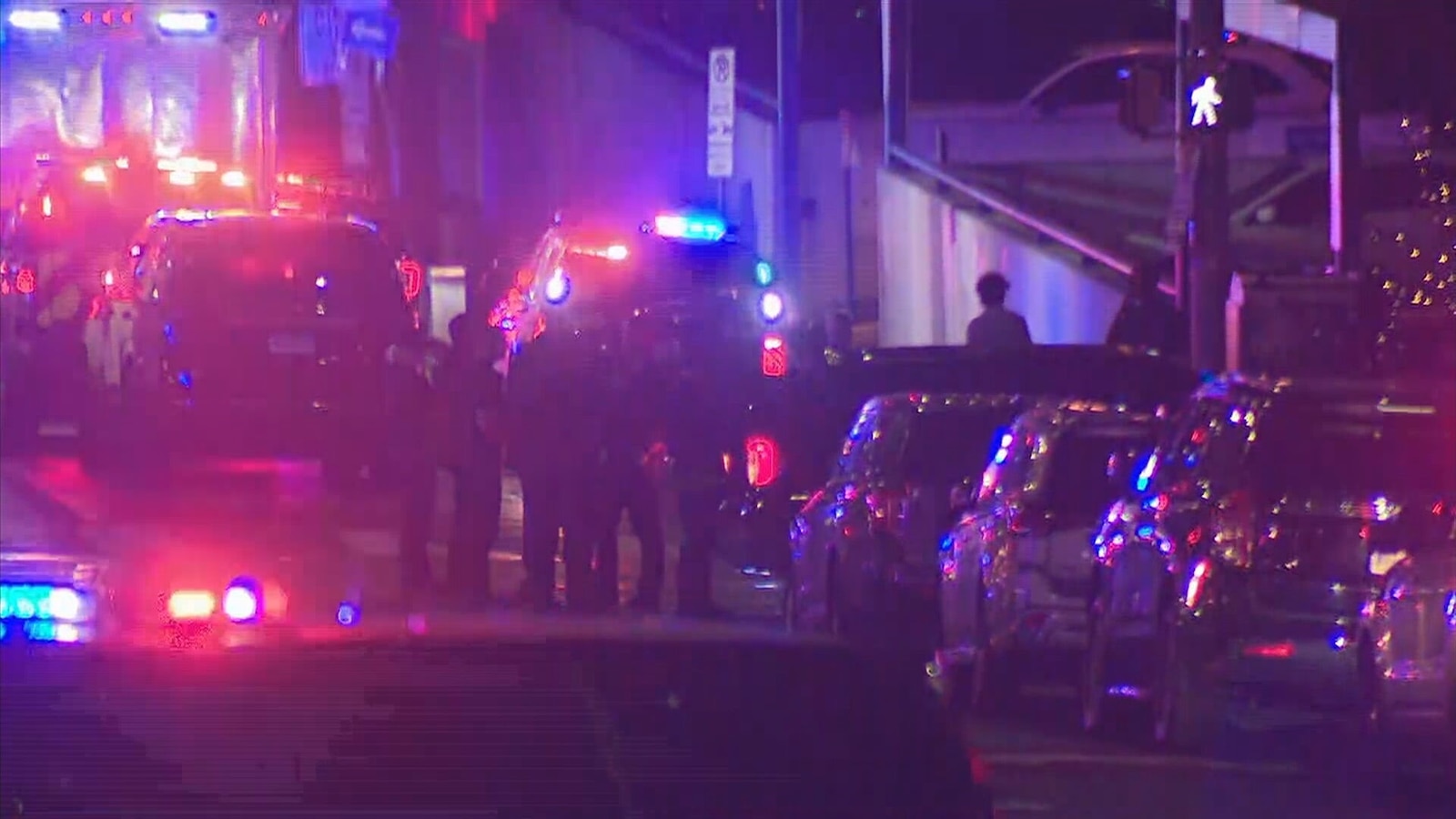
The coordinated response from Austin’s emergency services showcased the city’s preparedness for mass casualty incidents. Chief Robert Luckritz of Austin-Travis County EMS reported that paramedics and officers arrived at the horrific scene in less than a minute after receiving the first emergency call—a response time that is remarkable by any standard. Unfortunately, three people, including the suspect, were pronounced dead at the scene. Another 14 individuals were transported to local hospitals for treatment of their injuries, with conditions ranging from minor to critical. The Austin Fire Department also mobilized, referring to the incident as an “Active Attack” situation and establishing a unified command structure with Austin Police and Austin-Travis County EMS to coordinate the complex emergency response. The department urged the public through social media to avoid the area around West 6th Street while emergency personnel worked the scene. Photos and videos that emerged from the location showed the massive scale of the emergency response, with numerous ambulances, police vehicles, and fire trucks converging on the normally festive entertainment district. The Austin Police Department specifically asked people to stay away from the 600 block of Rio Grande Street, where Buford’s Bar is located, as investigators began the painstaking process of collecting evidence and reconstructing the timeline of events.
National Attention and Community Impact
The shooting quickly garnered national attention, with the White House confirming that President Donald Trump had been briefed on the situation. White House press secretary Karoline Leavitt posted on social media Sunday afternoon acknowledging the president’s awareness of the tragedy in Austin. This incident serves as another painful reminder of the vulnerability of public spaces and the ongoing challenges that law enforcement faces in preventing and responding to mass violence, whether motivated by terrorism, mental illness, or other factors. For the Austin community, this attack strikes at the heart of what makes the city special—its vibrant, welcoming entertainment districts where people from all walks of life come together to enjoy music, food, and each other’s company. The Sixth Street area, in particular, is iconic in Austin, representing the city’s creative spirit and its reputation as a cultural destination. Now, that sense of safety and community has been shattered, at least temporarily. As the investigation continues and more details emerge about the suspect’s motives and background, the people of Austin will undoubtedly come together to support the victims and their families, to honor those who lost their lives, and to heal from this senseless act of violence. The heroism displayed by first responders serves as a reminder that even in our darkest moments, there are people willing to run toward danger to protect others—a small but significant comfort in the aftermath of such a devastating event.