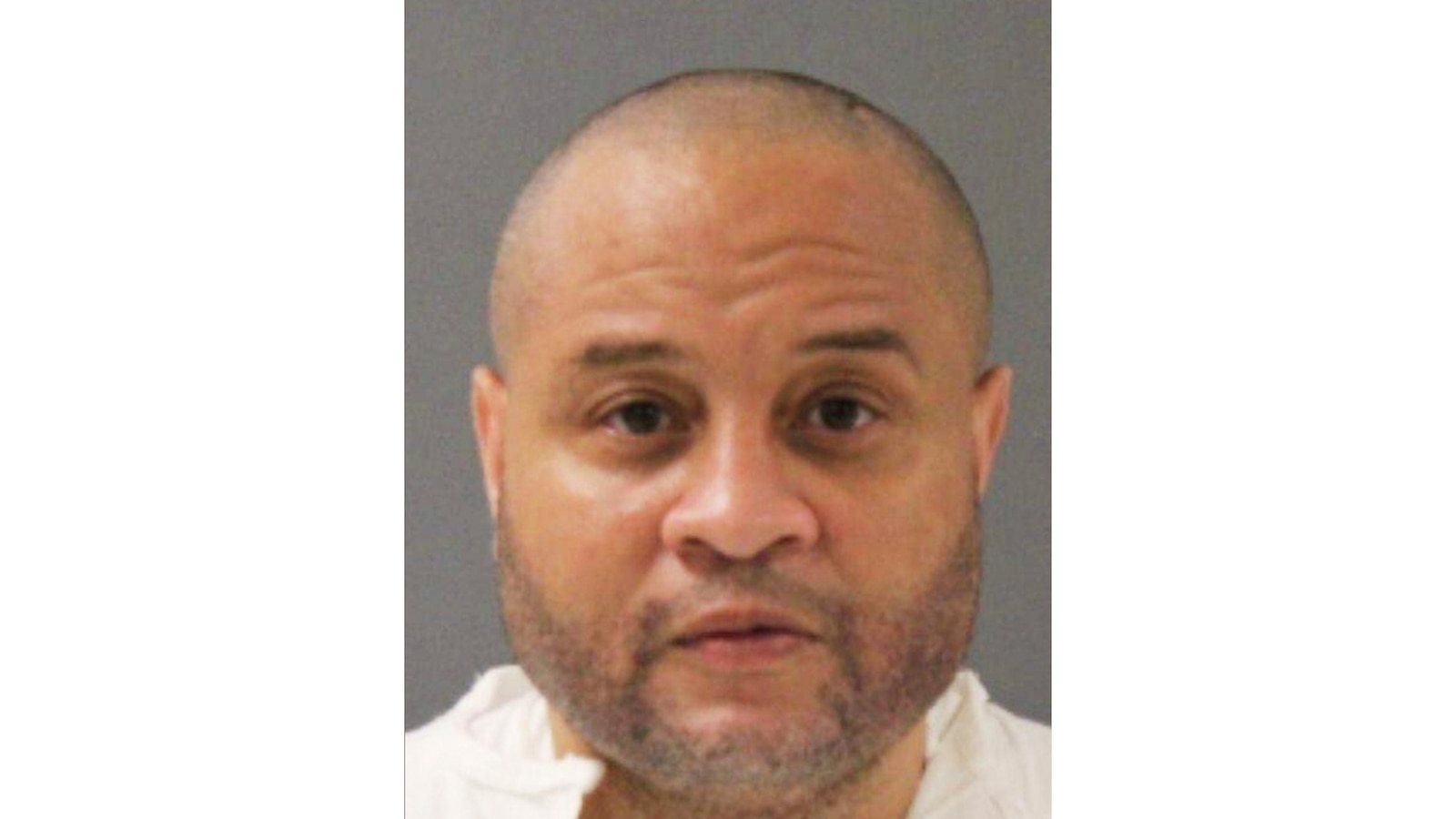

Texas Executes Man Nearly 13 Years After Fatal Stabbing of Girlfriend and Her Young Son
The Crime That Shocked Bedford, Texas
In May 2013, a quiet suburb in the Dallas-Fort Worth area became the scene of an unspeakable tragedy that would haunt the community for years to come. Cedric Ricks, then 38 years old, fatally stabbed his girlfriend, 30-year-old Roxann Sanchez, and her 8-year-old son Anthony Figueroa in their Bedford apartment. The violence didn’t stop there—Roxann’s 12-year-old son Marcus Figueroa was also attacked during the horrific incident, though he managed to survive by courageously playing dead while hiding in his bedroom closet. The only child left physically unharmed was Ricks’ own 9-month-old son, Isaiah. Nearly thirteen years after this devastating crime, Ricks faced execution by lethal injection at the state penitentiary in Huntsville, Texas, scheduled for after 6 p.m. on a Wednesday evening. The case has drawn renewed attention not only because of the brutal nature of the crimes but also due to last-minute legal challenges that raised serious questions about the fairness of his trial and whether his constitutional rights were violated during jury selection.
A Deadly Argument Turned Massacre
According to court records and prosecutors’ accounts, the tragic events unfolded when Ricks and Sanchez began arguing in their shared apartment. What might have started as a domestic dispute quickly escalated into something far more deadly when Sanchez’s two sons from a previous marriage attempted to intervene and protect their mother. Anthony and Marcus Figueroa, doing what any loving children would do, tried to break up the fight between their mother and her boyfriend. Instead of de-escalating the situation, Ricks responded with shocking violence—he grabbed a knife from the kitchen and began stabbing Roxann Sanchez multiple times. As the horror unfolded, young Marcus ran to his bedroom closet in a desperate attempt to call the police for help. After killing 8-year-old Anthony, Ricks turned his rage toward Marcus, stabbing the 12-year-old repeatedly. The boy’s survival came down to quick thinking and remarkable composure for someone so young—he played dead, convincing Ricks that he had succeeded in killing him too. After the attack, Ricks fled the scene and was eventually apprehended by law enforcement in Oklahoma. The crime scene painted a picture of senseless brutality that left investigators and the community shaken, particularly given that this violence occurred just one day after Ricks had appeared in court on charges of assaulting Sanchez during a previous incident.
Ricks’ Trial Testimony and Admission
During his trial, Cedric Ricks took the stand and testified about the events of that fateful day, though his explanations did little to help his case. He acknowledged that he had anger issues and claimed that he had been defending himself against Roxann’s two sons after they came to their mother’s defense. His testimony revealed a man struggling to understand or explain his own actions: “Explaining my rage, I was upset. Things happen. I don’t know. I don’t know. I don’t know. I wish I could bring them back, like, right now,” Ricks said from the witness stand. He also offered an apology for the killings, though by that point, the damage was done—both literally and in terms of how the jury would view his culpability. The prosecution successfully argued that his actions warranted the death penalty, and Ricks was ultimately sentenced to death for the murders. His admission of guilt was never really in question; rather, the legal battles that followed would focus on whether he received a fair trial and whether the punishment fit the crime. The testimony painted a picture of a man with documented anger problems who had previously been violent toward Sanchez, suggesting a pattern of escalating domestic violence that culminated in the worst possible outcome.
Constitutional Challenges and the Fight to Stop the Execution
As Ricks’ execution date approached, his legal team mounted a last-ditch effort to save his life, filing a petition with the U.S. Supreme Court asking for a stay of execution. The central argument wasn’t about Ricks’ innocence—he had admitted to the killings—but rather about whether his constitutional rights had been violated during the jury selection process. His attorneys argued that prosecutors had systematically eliminated potential jurors on the basis of race, violating the landmark 1986 Supreme Court ruling known as Batson v. Kentucky, which determined that excluding jurors because of their race violated the Equal Protection Clause of the 14th Amendment. The evidence supporting this claim came from prosecutors’ notes that were obtained during the jury selection process but weren’t revealed until 2021, years after Ricks’ conviction and sentencing. “At trial, Ricks already suspected that the State had singled out minority jurors to exclude them from his jury,” his attorneys stated in their petition to the Supreme Court. These notes allegedly showed that prosecutors had specifically targeted and removed minority jurors from the pool, potentially depriving Ricks of a jury of his peers and a fair trial. However, the Texas Attorney General’s Office pushed back against these claims, arguing that court records demonstrated the prosecution’s decisions in jury selection were “race neutral” and that lower courts had already examined and rejected the discrimination claims. Previous appeals by Ricks that raised issues of ineffective counsel and sought suppression of evidence had also been denied by the courts. The Texas Board of Pardons and Paroles denied Ricks’ request for a 90-day reprieve or commutation of his sentence just days before the scheduled execution.
The State’s Position and Public Interest
The Texas Attorney General’s Office maintained a firm stance throughout the appeals process, emphasizing the heinous nature of Ricks’ crimes and arguing for the execution to proceed as scheduled. In their response to the Supreme Court petition, they bluntly summarized the case: Ricks “viciously stabbed his girlfriend Roxann and her eight-year-old son Anthony to death.” Their argument extended beyond just the facts of the case to address broader concerns about justice and the integrity of the legal system. “The public has a strong interest in enforcement of Ricks’ sentence,” the attorney general’s office stated, suggesting that allowing the execution to proceed would serve not only the interests of justice for the victims but also uphold the public’s confidence in the criminal justice system’s ability to carry out sentences handed down by juries. This position reflected Texas’s long history with capital punishment—the state has historically carried out more executions than any other in the United States. If carried out, Ricks would become the second person executed in Texas in 2024 and the sixth person executed in the country that year. The state’s aggressive defense of the death sentence also highlighted the ongoing national debate about capital punishment, with some viewing it as appropriate justice for the most heinous crimes and others seeing it as a flawed system that disproportionately affects minorities and sometimes executes innocent people.
The Broader Context of Capital Punishment in America
Ricks’ case came at a time of significant scrutiny of the death penalty in America, with his scheduled execution coinciding with other high-profile capital punishment cases. Just a day after Ricks was scheduled to die, a 75-year-old inmate in Alabama named Charles “Sonny” Burton had been scheduled for execution, but Alabama Governor Kay Ivey commuted his death sentence to life in prison without the possibility of parole. Burton’s case was notable because he had been sentenced to death for a fatal shooting during a 1991 robbery even though he didn’t actually pull the trigger—a situation that highlighted questions about proportionality in death penalty cases and who deserves the ultimate punishment. The contrast between these two cases underscored the arbitrary nature of capital punishment in America, where two states might handle similar legal questions very differently, and where factors like geography, politics, and timing can sometimes matter as much as the facts of a case. The racial discrimination allegations in Ricks’ jury selection also touched on a persistent criticism of the American death penalty system—that it has been applied unequally across racial lines, with minorities more likely to receive death sentences and face execution than white defendants. As Americans continued to grapple with questions about justice, punishment, and redemption, cases like Cedric Ricks’ forced difficult conversations about what society owes to victims, what rights the accused deserve, and whether the government should have the power to take human life. Nearly 13 years after that terrible day in Bedford, Texas, the wheels of justice continued to turn, leaving families forever changed and a nation still divided on whether executions like Ricks’ represent justice served or a continuation of systemic flaws in how America administers its most severe punishment.