





Understanding the Crypto Fear and Greed Index: What Extreme Fear Means for Investors
What Is the Fear and Greed Index and Why Does It Matter?
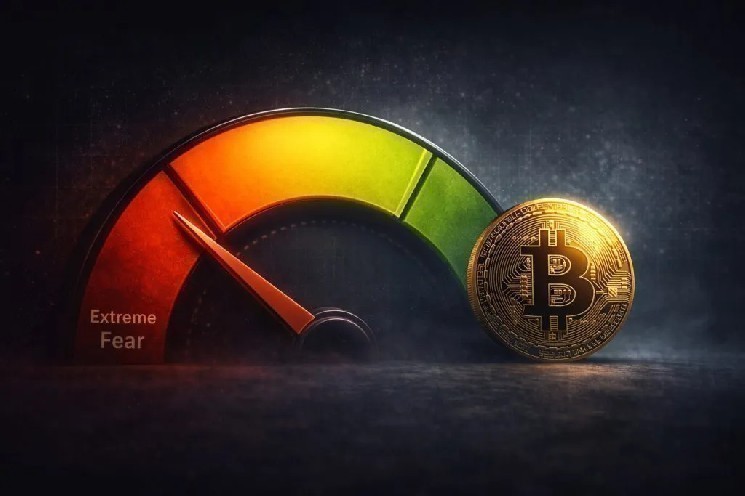
If you’ve been following cryptocurrency markets lately, you’ve probably noticed that things feel a bit tense. That anxiety you’re sensing isn’t just in your imagination—it’s measurable, and there’s actually a tool designed specifically to track it. The crypto fear and greed index is essentially a thermometer for investor emotions in the digital currency world, and right now, it’s showing that people are seriously spooked. This index, maintained by crypto data provider Alternative.me, recently ticked up slightly by 5 points to reach a reading of 13, but don’t let that small increase fool you. We’re still firmly planted in what experts call the “extreme fear” territory, and that tells us a lot about where investors’ heads are at right now.
Think of this index as the market’s collective mood ring. It operates on a simple scale from 0 to 100, where numbers closer to zero signal that fear is gripping the market and people are hitting the sell button, while numbers approaching 100 suggest investors are feeling confident, optimistic, and ready to take on more risk. When you see a reading as low as 13, it means the overwhelming majority of market participants are nervous, defensive, and prioritizing capital preservation over potential gains. This isn’t just academic number-crunching—understanding investor sentiment can be crucial for anyone trying to navigate the notoriously volatile crypto markets, whether you’re a seasoned trader or someone just trying to understand what’s happening with your Bitcoin investment.
The Recent Shift to Extreme Fear: How We Got Here
The journey into extreme fear territory didn’t happen overnight. According to the data tracking this index, things took a significant turn for the worse on January 30th, when the reading dropped from the “fear” category into the more severe “extreme fear” classification. Since that threshold was crossed, the index has stubbornly remained in this danger zone, refusing to climb back into more neutral territory. This persistence tells us something important: whatever is causing investors to feel anxious isn’t a temporary blip or a fleeting concern—it’s something more sustained and systemic.
The reasons behind this extended period of extreme fear are rooted in what market observers are calling uncertainty and heightened risk perception throughout the crypto market. When investors can’t clearly see what’s coming next, when regulatory questions loom unanswered, when macroeconomic conditions feel unstable, or when there’s simply a lack of clarity about where digital currencies fit into the broader financial landscape, fear naturally takes hold. The small 5-point uptick we’ve seen recently might suggest that conditions are marginally improving or that some investors are starting to feel slightly less pessimistic, but it’s clearly not enough to fundamentally shift the mood. The market remains in a defensive crouch, with most participants choosing caution over confidence.
The Science Behind the Number: How the Index Is Calculated
You might be wondering how exactly Alternative.me arrives at this single number that supposedly captures the complex emotions of millions of investors across the globe. The answer is that they use a sophisticated weighted formula that pulls together multiple data streams to create a comprehensive picture of market sentiment. This isn’t just based on one factor—it’s a composite view that considers various aspects of market behavior and investor psychology.
Here’s how the calculation breaks down: Market volatility accounts for 25% of the index, which makes sense because wild price swings generally indicate fear and uncertainty. Trading volume also represents 25% of the calculation, as unusual spikes or drops in how much crypto is changing hands can signal shifts in investor confidence. Social media engagement contributes 15% to the score—what people are saying on Twitter, Reddit, and other platforms matters because it reflects real-time sentiment and can influence market psychology. Another 15% comes from investor surveys, giving direct insight into how people are actually feeling about their positions. Bitcoin’s market dominance makes up 10% of the index, as shifts between Bitcoin and alternative cryptocurrencies can indicate risk appetite. Finally, Google search trends round out the last 10%, capturing what everyday people are curious or worried about when it comes to crypto. By combining all these different signals, the index aims to give a more complete and accurate picture than any single metric could provide on its own.
What Extreme Fear Really Means for the Market
When analysts look at an index reading firmly stuck in extreme fear territory for an extended period, they draw some important conclusions about investor behavior. The most obvious interpretation is that market participants have become deeply risk-averse. In practical terms, this means that people are more likely to sell at the first sign of trouble, less willing to open new positions, more prone to sitting on the sidelines in cash or stablecoins, and generally approaching the market with defensive strategies rather than aggressive growth-seeking behavior. This risk-averse tendency creates a self-reinforcing cycle: when everyone is afraid, selling pressure increases, which can push prices lower, which in turn makes people even more fearful.
However, the story doesn’t end there, and this is where things get interesting. Some seasoned market commentators and analysts suggest that we shouldn’t necessarily view extreme fear as purely negative. In fact, there’s a contrarian view that has historical support: periods of extreme fear have sometimes marked excellent buying opportunities for investors with longer time horizons. The logic here is straightforward—when fear is at its peak and everyone is selling, assets become undervalued relative to their fundamental worth or future potential. When sentiment is this negative, there’s arguably more room for positive surprises and sentiment shifts than there is for further deterioration. For investors who can stomach the volatility and who are investing money they won’t need in the short term, extreme fear periods have occasionally proven to be precisely the wrong time to sell and exactly the right time to buy. Of course, past performance doesn’t guarantee future results, and this perspective requires a strong stomach and a willingness to go against the prevailing mood.
Beyond Price: Why Psychological Indicators Matter
In traditional financial markets, most people focus almost exclusively on price charts, trading volumes, and fundamental analysis of company earnings or economic data. Cryptocurrency markets certainly include all of those elements, but there’s an additional dimension that’s particularly important in this space: investor psychology. The crypto market is still relatively young compared to stock or bond markets, and it tends to be more volatile and more driven by sentiment than traditional assets. This makes psychological indicators like the fear and greed index especially valuable for anyone trying to understand not just where prices have been, but where they might be heading.
These sentiment indicators serve as important reference points, particularly for grasping short-term market trends. While fundamental analysis might tell you about the long-term potential of a particular cryptocurrency based on its technology, adoption rate, or development team, and while technical analysis can identify price patterns and support levels, sentiment analysis tells you something different: it reveals what investors are actually feeling right now and how those emotions might influence their behavior in the immediate future. In a market where fear, uncertainty, and doubt (often abbreviated as “FUD”) can spread rapidly through social media, and where excitement and “fear of missing out” (FOMO) can create buying frenzies, understanding the psychological landscape is not just helpful—it’s essential. The fear and greed index gives investors a quick, quantifiable way to check the market’s emotional temperature without having to scroll through countless social media posts or news articles trying to gauge the mood manually.
Looking Ahead: Navigating Uncertainty in Crypto Markets
So where do we go from here? The persistence of extreme fear in the current market environment suggests that the cryptocurrency space is going through a challenging period where confidence is hard to come by and uncertainty dominates. For investors, this creates both challenges and potential opportunities, depending on your perspective, risk tolerance, and investment timeline. The key is approaching the market with eyes wide open, understanding that the emotional extremes captured by indices like this one are real forces that move prices and create trends.
For those currently holding cryptocurrencies, the extreme fear reading might prompt some soul-searching about whether your positions align with your risk tolerance and whether you’re prepared for continued volatility. For those considering entering the market or adding to existing positions, the contrarian view suggests this could represent a potential entry point, though it’s worth remembering that fear can persist longer than many expect, and there’s no guarantee that we’ve seen the bottom. For everyone involved in crypto, the most important takeaway is probably this: invest only what you can afford to lose, maintain a long-term perspective if possible, and remember that markets are cyclical—extreme fear eventually gives way to neutral sentiment and sometimes even to extreme greed, just as overconfidence eventually collapses back into caution. The fear and greed index won’t tell you exactly when to buy or sell, but it can help you understand the emotional context in which you’re making those decisions, and that understanding can be incredibly valuable in a market as psychologically driven as cryptocurrency. As always, this information is meant to inform, not to serve as investment advice—your financial decisions should be based on your own research, risk tolerance, and financial situation.









