
Understanding the Dramatic Surge in Oil Prices: What It Means for All of Us
A Historic Price Jump That Demands Attention
The global oil market has just experienced something truly remarkable—the fastest increase in oil prices we’ve seen in six years. According to economics editor Ed Conway, this isn’t just another minor fluctuation that only concerns investors and industry insiders. This is a significant economic event that will have ripple effects touching virtually every aspect of our daily lives, from the price we pay at the gas pump to the cost of groceries on our shelves. The speed and magnitude of this increase have caught many analysts off guard, prompting urgent questions about what’s driving these changes and what they mean for the average person trying to make ends meet. When oil prices move this dramatically and this quickly, it signals that something fundamental has shifted in the global economic landscape. For those of us who remember the oil shocks of previous decades, this latest surge brings back uncomfortable memories of economic instability and uncertainty. But to truly understand what’s happening now, we need to look beyond the headlines and examine the complex web of factors that determine how much we pay for one of the world’s most essential commodities.
The Forces Behind the Price Explosion
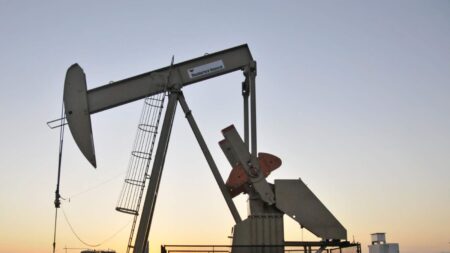
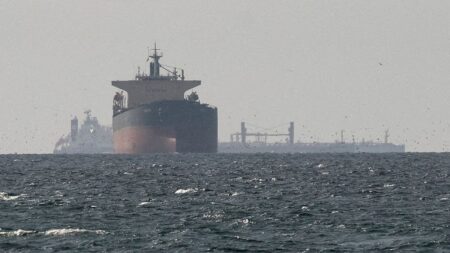
Several interconnected factors have converged to create this perfect storm in oil markets. Global demand has been recovering stronger and faster than many expected, particularly as major economies continue to rebound from recent disruptions. Countries that had previously curtailed their energy consumption are now firing on all cylinders again, creating an intense competition for available oil supplies. Meanwhile, production hasn’t kept pace with this surge in demand. Major oil-producing nations have been cautious about ramming up their output, whether due to production constraints, strategic considerations, or attempts to maintain higher prices that benefit their national budgets. Geopolitical tensions in key oil-producing regions have added another layer of uncertainty and volatility to the market. When political instability threatens supply chains or when major producers face sanctions or internal conflicts, the market reacts nervously, and prices tend to spike upward as traders and countries scramble to secure their energy needs.
Additionally, there’s been a significant underinvestment in oil exploration and production infrastructure over recent years. The global push toward renewable energy, while necessary for long-term sustainability, has made oil companies hesitant to commit billions to new projects that might not pay off over the traditional decades-long timeframes. This creates a situation where current production capacity struggles to meet unexpected surges in demand. Currency fluctuations, particularly movements in the U.S. dollar, also play a crucial role since oil is primarily traded in dollars worldwide. When the dollar weakens, oil becomes cheaper for holders of other currencies, potentially increasing demand and pushing prices higher. Speculation and trading activity in futures markets can amplify these fundamental supply and demand factors, creating momentum that drives prices even higher in shorter timeframes than the underlying economics alone would suggest.
The Immediate Impact on Household Budgets
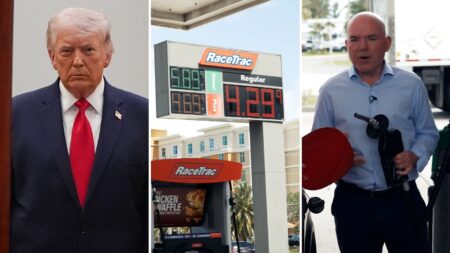
For ordinary families, the most visible and immediate consequence of soaring oil prices is what happens at the gas station. When crude oil prices jump dramatically, it doesn’t take long before those increases are reflected in the price of gasoline and diesel fuel. Commuters who drive to work, parents shuttling children to activities, and anyone who depends on their vehicle for daily life will feel the pinch in their wallets. For households already struggling with the cost of living, even a modest increase in fuel costs can force difficult decisions about where to cut back. But the impact extends far beyond transportation fuel. Oil and its derivatives are embedded throughout our economy in ways that many people don’t immediately recognize. The trucks that deliver goods to stores run on diesel. The ships and planes that bring products from around the world consume vast quantities of fuel, and those transportation costs inevitably get passed along to consumers through higher prices.
Heating oil for homes becomes more expensive, particularly concerning for those living in colder climates who depend on it during winter months. The plastics that package our food, the synthetic materials in our clothing, the asphalt that paves our roads—all these derive from petroleum products, and their costs rise along with oil prices. Farmers face higher costs for the fuel that powers their tractors and other equipment, as well as for petroleum-based fertilizers and pesticides, costs that ultimately translate into higher food prices at the grocery store. For businesses, especially small ones operating on thin margins, rising energy costs can be devastating. Delivery services, restaurants with high utility bills, manufacturers with energy-intensive processes—all face pressure on their bottom lines. They’re forced to choose between absorbing the higher costs and reducing their profits, or passing them along to customers and risking reduced sales. This creates a challenging economic environment where inflation can accelerate quickly as higher energy costs ripple through the entire economy.
Broader Economic Consequences and Global Implications
The rapid increase in oil prices doesn’t just affect individual consumers and businesses; it has profound implications for national economies and global economic stability. Countries that are net importers of oil, meaning they consume more than they produce, see their trade balances deteriorate as they must send more money abroad to pay for the energy they need. This can weaken their currencies, making all imports more expensive and potentially triggering inflationary spirals that are difficult to control. Central banks face a dilemma when oil prices surge: if they raise interest rates to combat the resulting inflation, they risk slowing economic growth and potentially triggering recessions, but if they don’t act, inflation can become embedded in expectations and even harder to control later. The economic growth that seemed promising just months ago can suddenly look fragile when energy costs spike, as both businesses and consumers pull back on spending in other areas to accommodate higher fuel and heating bills.
For oil-exporting nations, the situation looks very different. Higher prices mean windfall revenues that can fund government programs, infrastructure development, and strategic initiatives. However, this creates a dependency on high oil prices that can be problematic when prices eventually fall, as they always do eventually. The sudden shift in wealth from importing to exporting nations can create geopolitical tensions and realignments, as countries with newfound energy revenues exercise increased influence on the global stage. Developing economies are often hit hardest by oil price spikes. Many lack the economic cushion to absorb sudden energy cost increases, and their citizens spend a larger percentage of their income on basic necessities like fuel and food, both of which are heavily influenced by oil prices. This can lead to social unrest, political instability, and setbacks in development progress that had taken years to achieve. The interconnectedness of the global economy means that disruptions in one region quickly spread to others, creating feedback loops that can amplify the initial shock.
What History Tells Us About Oil Price Surges
Looking back at previous episodes of rapidly rising oil prices provides both cautionary tales and reasons for measured optimism. The oil shocks of the 1970s, triggered by geopolitical events in the Middle East, led to years of economic stagnation combined with high inflation—the dreaded “stagflation” that challenged conventional economic thinking and policy tools. Those experiences led to fundamental changes in energy policy, with many countries working to diversify their energy sources, improve efficiency, and reduce dependence on imported oil. The price spike of 2008, which saw oil briefly touch $147 per barrel, contributed to the global financial crisis and the severe recession that followed, demonstrating how energy markets and financial markets are intimately connected. However, history also shows that markets eventually adjust. High prices incentivize increased production, encourage conservation and efficiency improvements, and accelerate the development of alternative energy sources. These responses take time to materialize, but they do work to bring supply and demand back into balance, eventually moderating prices.
The current situation differs from past oil shocks in important ways. The global economy is more energy-efficient than it was during previous crises, meaning we get more economic output from each barrel of oil consumed. The transition to renewable energy, electric vehicles, and alternative fuels is further advanced than ever before, providing options that didn’t exist during earlier price spikes. Information flows faster, allowing markets and policymakers to respond more quickly to changing conditions. Yet we also face unique challenges, including the tension between short-term energy security and long-term climate goals, the complexity of coordinating international responses in an increasingly fractured geopolitical environment, and the lingering economic vulnerabilities from recent global disruptions. Understanding this history doesn’t necessarily predict the future, but it provides perspective on the patterns that tend to emerge and the policy responses that have worked or failed in the past.
Looking Ahead: Adaptation and Opportunities in Uncertain Times
While the fastest increase in oil prices in six years presents significant challenges, it also creates opportunities and accelerates certain inevitable transitions. For individuals and families, this may be the push needed to seriously consider more fuel-efficient vehicles, explore carpooling or public transportation options, or invest in home energy efficiency improvements that will pay dividends for years to come. Businesses are incentivized to rethink logistics, invest in energy-saving technologies, and potentially relocate operations closer to suppliers or customers to reduce transportation costs. The price signal that high oil costs send through the economy can drive innovation and behavioral changes that might not have happened otherwise. For policymakers and society as a whole, oil price spikes highlight the strategic importance of energy independence and the risks of over-reliance on fossil fuels whose prices are subject to volatile swings based on factors beyond any single nation’s control.
The current price surge may actually accelerate the transition to renewable energy and electric vehicles by improving their economic competitiveness relative to fossil fuel alternatives. When gas prices soar, suddenly that electric car looks more attractive from a purely financial perspective, not just an environmental one. Solar panels, wind turbines, and battery storage become more economically viable when compared against expensive oil and gas. Companies and countries that have already invested in these alternatives will find themselves with strategic advantages, while those that delayed may face steeper costs to catch up. This doesn’t mean the transition will be easy or that oil will disappear from our energy mix anytime soon—the infrastructure, expertise, and sheer energy density of fossil fuels mean they’ll remain important for years to come. But the economic calculus is shifting, and high oil prices accelerate that shift. For investors, this creates both risks and opportunities across sectors, from traditional energy companies to renewable developers to the manufacturers of batteries and other enabling technologies.
The key for navigating this period of uncertainty and adjustment is maintaining perspective. Oil prices have always been cyclical, rising and falling in response to the complex interplay of supply, demand, geopolitics, and market psychology. This surge, as dramatic as it is, will eventually moderate as the market forces that drive prices work their way through the system. In the meantime, individuals, businesses, and governments must make pragmatic decisions based on the reality of higher energy costs while keeping an eye on the longer-term trends that are reshaping our energy future. The fastest increase in oil prices in six years is undoubtedly challenging and will require adjustment and sacrifice from many. But it also reminds us of fundamental economic truths about scarcity, value, and the power of markets to eventually find balance, even amid disruption and uncertainty.