
The Price of Oil Has Surged: Understanding the Recent Energy Market Upheaval
What’s Driving Oil Prices Higher
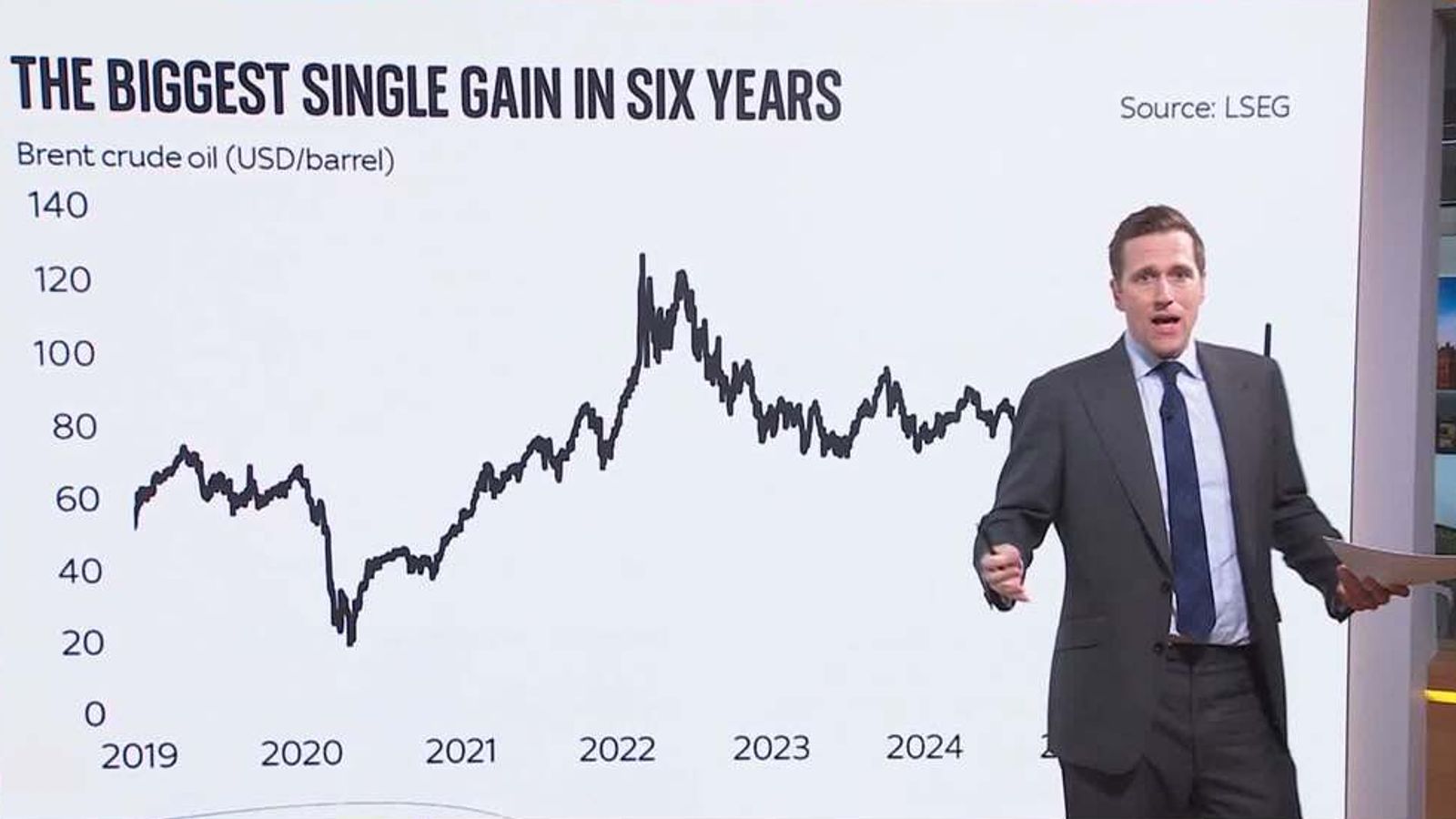
The global oil market has experienced a significant surge in prices recently, catching the attention of consumers, investors, and policymakers alike. This dramatic increase isn’t happening in isolation—it’s the result of a complex web of factors that have converged to push energy costs upward. From geopolitical tensions to production decisions made by major oil-producing nations, the current spike reflects the delicate balance of supply and demand in the global energy marketplace. For everyday people filling up their gas tanks or watching their heating bills climb, these price increases translate into real financial pressure on household budgets. The surge represents more than just numbers on a trading screen; it affects transportation costs, manufacturing expenses, and ultimately the price of goods throughout the economy. Understanding why this is happening requires looking at several interconnected elements that are reshaping the energy landscape in ways we haven’t seen in years.
The most immediate driver of the recent oil price surge has been production cuts by OPEC+ countries—a coalition of oil-producing nations led by Saudi Arabia and Russia. These nations have strategically reduced their output to tighten global supply, effectively removing millions of barrels per day from the market. When supply contracts while demand remains steady or grows, prices naturally rise. Additionally, geopolitical instability in key oil-producing regions has created uncertainty in the markets. Conflicts, sanctions, and diplomatic tensions can disrupt supply chains or create fears of future disruptions, causing traders to bid up prices in anticipation of potential shortages. Meanwhile, the global economy has shown surprising resilience in many sectors, with demand for oil remaining robust despite earlier predictions of economic slowdown. This combination of restricted supply and persistent demand has created the perfect conditions for prices to climb steadily upward.
The Real-World Impact on Consumers and Businesses
When oil prices surge, the effects ripple through virtually every aspect of modern life. For the average person, the most visible impact comes at the gas pump, where fuel prices can climb significantly within just weeks or even days. Commuters who rely on their vehicles for work find themselves allocating more of their paychecks to transportation, leaving less for other necessities or savings. Families planning road trips or vacations must reconsider their budgets or potentially scale back their plans. But the impact extends far beyond personal vehicles. Public transportation systems that rely on diesel fuel face higher operating costs, which can lead to fare increases or service reductions. Airlines experience dramatic increases in their fuel expenses—often their single largest cost—which typically gets passed on to travelers through higher ticket prices and additional fees.
The business world feels these price increases just as acutely. Transportation and logistics companies that move goods across countries and continents see their profit margins squeezed as fuel costs eat into their bottom lines. These companies often have little choice but to pass these costs along to retailers, who in turn must raise prices for consumers. Manufacturing operations that depend on petroleum-based products or use significant energy in their production processes face difficult decisions about absorbing costs versus raising prices. Small businesses, which typically operate on thinner margins than large corporations, can be particularly vulnerable to these energy price shocks. A local bakery, for example, faces higher costs not only for delivering their products but also for the energy needed to run ovens and refrigeration equipment. Even services that seem disconnected from oil—like restaurants, salons, or retail shops—ultimately feel the pinch through higher costs for supplies that had to be transported using increasingly expensive fuel.
Global Economic Implications and Inflation Concerns
The surge in oil prices carries significant implications for the broader global economy, particularly when it comes to inflation. Energy costs are a fundamental component of inflation calculations because petroleum and its derivatives touch so many aspects of economic activity. When oil prices rise sharply, they create what economists call “cost-push inflation,” where higher input costs drive up the prices of finished goods and services. Central banks around the world, which have been working to control inflation following the pandemic-era economic disruptions, now face a more complicated challenge. Higher energy costs can force these institutions to maintain higher interest rates for longer periods, which can slow economic growth and make borrowing more expensive for businesses and consumers alike.
Different countries experience these effects in varying degrees depending on whether they’re oil importers or exporters. Nations that produce and export oil, such as those in the Middle East, Russia, and some Latin American countries, can benefit from higher prices through increased revenue and stronger economic growth. However, countries that depend heavily on imported oil—including many European nations, Japan, and developing economies—face a drain on their financial resources and potential trade imbalances. For developing nations in particular, higher oil prices can be devastating, forcing governments to choose between subsidizing fuel costs to protect their populations or allowing prices to rise and risking social unrest. The international nature of oil markets means that a price surge anywhere affects economies everywhere, creating a truly global economic challenge that requires coordinated understanding if not coordinated response.
Environmental and Energy Transition Considerations
Interestingly, the current oil price surge is occurring against the backdrop of a global push toward renewable energy and reduced carbon emissions. This creates a complex and sometimes contradictory situation. On one hand, higher fossil fuel prices can accelerate the transition to alternative energy sources by making renewable options like solar and wind power more economically competitive. Consumers and businesses facing steep oil and gas bills have stronger financial incentives to invest in electric vehicles, heat pumps, and other technologies that reduce dependence on petroleum. Governments committed to climate goals may find public support for clean energy investments increases when fossil fuel prices spike, making it politically easier to implement policies that support the energy transition.
However, the immediate pain of high oil prices can also create resistance to environmental policies. When people are struggling to afford gasoline or heating fuel, they may become less receptive to regulations or taxes aimed at reducing carbon emissions if these measures increase energy costs further. There’s also the risk that high oil prices could slow economic growth to a degree that reduces the capital available for investments in renewable energy infrastructure. Additionally, in the short term, high oil prices can paradoxically increase fossil fuel production as companies rush to take advantage of profitable conditions, potentially locking in carbon-intensive infrastructure for years to come. Energy policy experts recognize this tension and debate how to navigate the transition to cleaner energy while managing the economic disruptions that oil price volatility creates. The challenge is finding a path that moves toward sustainability without creating undue hardship for those least able to afford it.
Looking Ahead: What the Future Might Hold
Predicting oil prices is notoriously difficult, as the market responds to an intricate mix of geological, political, economic, and even psychological factors. However, several trends and scenarios could shape where prices head from here. OPEC+ will continue to play a crucial role through its production decisions—the coalition could choose to increase output to moderate prices, or maintain restrictions to keep prices elevated. Geopolitical developments, particularly involving major producers like Russia, Iran, and Venezuela, will remain significant wildcards. Any easing of sanctions or diplomatic breakthroughs could potentially bring more supply to market, while escalating conflicts could restrict it further. The pace of global economic growth will also be critical; a significant slowdown would reduce demand and likely bring prices down, while robust growth would support continued high prices.
Technological developments and the ongoing energy transition will increasingly factor into oil’s long-term price trajectory. As electric vehicles become more common and renewable energy expands, the fundamental demand for oil may begin to decline in certain sectors, though this remains a long-term trend rather than an immediate factor. Investment in new oil production capacity has been constrained in recent years due to both market uncertainties and pressure from environmental advocates, which could lead to supply constraints in the future even as demand potentially softens. For consumers and businesses, the most prudent approach may be to prepare for continued volatility rather than expecting prices to quickly return to previous lows. Whether through energy efficiency improvements, diversification of energy sources, or building flexibility into budgets and operations, adapting to a world of fluctuating energy prices seems likely to remain necessary for the foreseeable future. The current surge in oil prices is more than a temporary market blip—it’s a reminder of how deeply our modern world remains connected to fossil fuels, even as we work toward a different energy future.