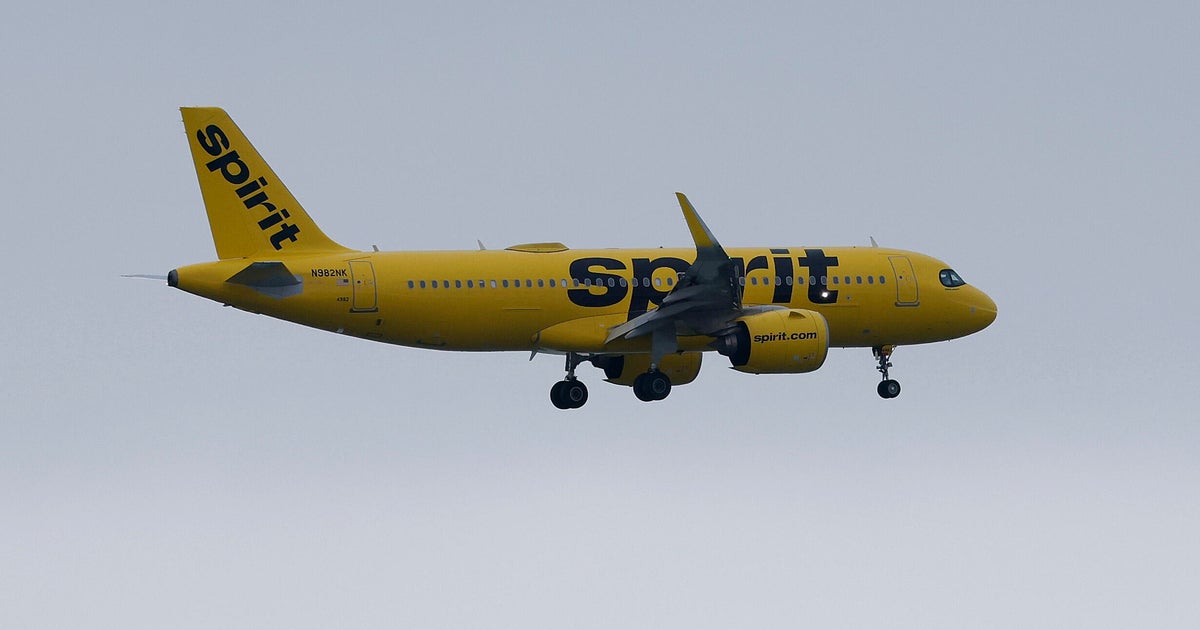

The Final Hours: Air Traffic Control Audio Captures Emotional End of Spirit Airlines
A Somber Midnight Farewell
The aviation world witnessed a poignant moment in the early hours of Sunday morning as air traffic control recordings captured the final exchanges between controllers and Spirit Airlines pilots during what would be the budget carrier’s last flights. The audio, obtained through LiveATC.com, revealed touching moments of sympathy and disbelief as employees across the industry came to terms with the sudden collapse of one of America’s most recognizable low-cost carriers. Around midnight at Dallas Fort Worth International Airport, an American Airlines employee reached across company lines to express solidarity with their Spirit counterparts, offering condolences that resonated far beyond the typical professional exchanges heard over aviation frequencies. “Sorry to hear what happened,” the American Airlines worker said, their words carrying the weight of an industry watching one of its own fall. Just ten minutes later, the pilot of Spirit’s final flight at the Dallas airport sought confirmation of what many already suspected, asking air traffic control if any more Spirit flights were scheduled to arrive. The controller’s response was stark and final: “I don’t see anything. You might be the last one.” The pilot’s simple acknowledgment – “This is it tonight” – marked the end of an era for the Florida-based airline.
Disbelief in the Tower
Similar scenes played out across the country, with perhaps the most emotionally charged exchange occurring at Chicago O’Hare International Airport, where air traffic control staff openly shared their shock at witnessing aviation history unfold. The recording from O’Hare captured the raw human emotion behind the professional veneer that typically characterizes air traffic communications. “It’s hard to believe this is it,” a Spirit Airlines pilot confessed over the radio, their voice carrying the disbelief felt by thousands of employees who had dedicated their careers to the airline. The tower staff’s response revealed the camaraderie that exists within the aviation community, transcending corporate boundaries and competitive rivalries. “Yeah, no kidding,” they replied, before adding words that acknowledged the human cost of the airline’s collapse: “It’s been a pleasure to talk with you guys on the radios. Hope you guys can make it out OK.” These exchanges, preserved in audio recordings that will now serve as historical documents, captured something rarely heard in official aviation communications – genuine emotion and concern for colleagues facing an uncertain future. The informal yet heartfelt conversations stood in stark contrast to the typically clipped, professional exchanges that characterize air traffic control operations.
The Human Toll of Corporate Collapse
Behind the statistics and financial reports that detailed Spirit Airlines’ demise lay a devastating human story. The Fort Lauderdale, Florida-based carrier employed approximately 15,000 people, with roughly 6,000 of those workers based in the Sunshine State where the airline had made its home. For these employees, the airline’s sudden closure after a government bailout failed to materialize represented not just the loss of a job, but the end of careers that many had devoted years, if not decades, to building. The impact rippled through families, communities, and the broader aviation industry, which suddenly found itself absorbing thousands of displaced workers during an already challenging period. Transportation Secretary Sean Duffy attempted to offer some reassurance during a Saturday news conference, announcing that other airlines had stepped forward to provide preferential interviews to displaced Spirit staff. While this gesture demonstrated the aviation industry’s recognition of Spirit employees’ skills and experience, it could do little to soften the blow of sudden unemployment or erase the uncertainty that now clouded these workers’ futures. The offer of interviews, while helpful, was no guarantee of employment, and many Spirit employees faced the prospect of relocation, retraining, or accepting positions that might not match their previous roles or compensation levels.
Pilots’ Union Voices Industry Frustration
The Air Line Pilots Association, representing more than 2,000 Spirit pilots, issued a statement that captured the anger and disappointment felt throughout the airline’s workforce. The union characterized Spirit’s closure as “a devastating blow” to pilots and thousands of other hardworking employees who had “dedicated their careers to this airline.” The ALPA’s declaration that Spirit staff “deserved better than this outcome” resonated with many who questioned whether more could have been done to save the airline and preserve the livelihoods of its employees. The union’s statement highlighted a broader conversation about the stability of the airline industry, the vulnerability of workers in a sector prone to dramatic swings, and the role of government intervention when major carriers face collapse. The failure of a government bailout to materialize raised questions about the criteria used to determine which airlines receive public support and which are allowed to fail. For Spirit’s employees, these policy debates offered cold comfort as they faced the immediate practical challenges of job loss, from paying mortgages to maintaining health insurance for their families.
An Industry in Transition
Spirit Airlines’ dramatic exit from the aviation landscape represented more than just one company’s failure – it symbolized the ongoing transformation of the airline industry in an era of consolidation, changing consumer preferences, and economic uncertainty. The budget carrier had carved out a distinctive niche in the market, offering ultra-low fares that made air travel accessible to millions of Americans who might otherwise have been priced out of flying. However, the business model that had once seemed revolutionary had proven increasingly difficult to sustain in the face of rising costs, intense competition, and the lingering effects of pandemic-era disruptions to the aviation sector. The airline’s collapse sent ripples through communities that had relied on Spirit’s low-cost service to maintain connections with other cities, and left travelers scrambling to find alternative flights, often at significantly higher prices. For the aviation industry as a whole, Spirit’s failure served as a sobering reminder of the challenges facing carriers in an increasingly consolidated market where a handful of major airlines dominate the landscape.
Legacy and Lessons
As the final Spirit Airlines flights touched down and the audio recordings of those last exchanges faded into silence, the aviation community was left to contemplate the legacy of an airline that had once promised to democratize air travel through rock-bottom fares. The emotional farewells captured in air traffic control recordings offered a glimpse into the human dimension of corporate collapse, reminding observers that behind every business failure are real people whose lives are profoundly affected. The empathy displayed by air traffic controllers and employees of competing airlines demonstrated the tight-knit nature of the aviation community, where professional respect often transcends corporate rivalries. For the 15,000 Spirit employees now searching for their next opportunities, the supportive words from industry colleagues offered some measure of comfort, even as they faced uncertain futures. The story of Spirit Airlines’ final flights, preserved in those poignant audio recordings, will serve as a reminder of both the volatility of the airline industry and the resilience of the workers who keep planes flying, right up until the very last moment. As the industry moves forward, the lessons from Spirit’s collapse – about business models, government support, and the importance of considering workers in corporate decision-making – will continue to resonate throughout the aviation sector for years to come.