
The Arabian Gulf Crisis: Why Global Energy Security Hangs in the Balance
The World’s Most Critical Energy Hub Faces Unprecedented Threats
The Arabian Gulf region stands alone as the most concentrated source of energy on our planet. This unique position has been both a blessing and a curse for the area over the past several decades, creating a complex situation that continues to draw intense international attention. Nations across the globe remain deeply invested in the stability of this region, not out of casual interest, but out of vital economic necessity. When conflict erupts in the Gulf, the ripple effects threaten to destabilize global economic growth in ways that few other regional conflicts could match. This concentration of energy resources has created a paradox where the world’s economic fortunes remain inextricably linked to the political and military stability of a relatively small geographic area.
Why Oil and Gas Still Matter More Than We Think
In our modern era of renewable energy and electric vehicles, it might seem reasonable to assume that oil prices have lost their power to shake global markets. After all, we’re living in 2026, not 1976, and the world has changed dramatically. While it’s true that oil’s direct contribution to global economic output has decreased substantially over the past fifty years, this doesn’t mean that disruptions to hydrocarbon supplies from the Gulf have become less important. In fact, the situation is far more complex than simple fuel consumption statistics might suggest.
The reality is that we’re discussing much more than just gasoline for our cars. The hydrocarbons flowing from the Gulf form the foundation for countless essential products that modern civilization depends upon daily. Natural gas extracted from this region becomes the fertilizer that helps feed billions of people around the world. The same oil and gas resources are transformed into the plastics that package our food, make up components in our electronics, and form parts of medical equipment. These petrochemicals become the advanced composite materials that engineers use to construct everything from the latest commercial aircraft fuselages to high-performance Formula One racing cars. Every single one of these critical materials begins its journey as oil or gas pumped from beneath the sands and seas of the Gulf region. No other location on Earth can match this region’s massive reserves of these fundamental resources, making it irreplaceable in the current global economy.
The Chokepoint That Controls Global Commerce
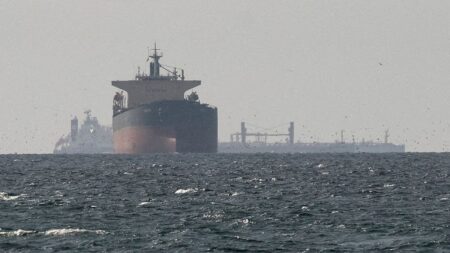
Beyond the sheer volume of resources located in the Gulf, there’s another critical factor that amplifies the region’s strategic importance: geography. The vast majority of these precious hydrocarbons must travel through a single, remarkably narrow maritime passage known as the Strait of Hormuz to reach the rest of the world. This strait isn’t just any shipping lane – it’s one of the most critical chokepoints in global commerce. The problem becomes even more concerning when you consider that Iran borders the northern edge of this strait, giving that nation potential control over this vital artery of global trade.
The statistics are staggering: approximately 20% of all global oil and gas exports passed through the Strait of Hormuz in 2024 alone. This means that one-fifth of the world’s petroleum products must navigate through this single passage where political tensions and military conflicts could shut down shipping at any moment. The implications for global energy security are profound. If this strait becomes impassable due to military action, mining operations, or blockades, the world’s ability to access these essential resources becomes severely compromised. This isn’t a theoretical concern – it’s a very real vulnerability that keeps energy analysts and government officials awake at night. The question isn’t whether we can find alternative sources, but whether we can access them quickly enough to prevent economic catastrophe.
Qatar’s Critical Role and the Ras Laffan Crisis
Recent events have brought another critical vulnerability into sharp focus. Qatar’s decision to shut down the Ras Laffan facility sent shockwaves through global energy markets, even though most people had never heard of this installation before. This lack of public awareness makes the facility no less critical to global energy supplies. Ras Laffan isn’t just another gas terminal – it’s the largest gas processing facility anywhere on Earth, connected to the North Field, which holds the distinction of being the planet’s biggest natural gas reservoir.
To put this in perspective, the North Field represents more than just a large gas deposit. It stands as the single largest source of energy of any kind anywhere in the world, surpassing even the most productive oil fields and uranium mines. This makes Qatar’s Ras Laffan facility absolutely central to global energy security. When news broke that this facility was shutting down, natural gas prices immediately spiked by 50%, reflecting the market’s understanding of just how irreplaceable this source has become.
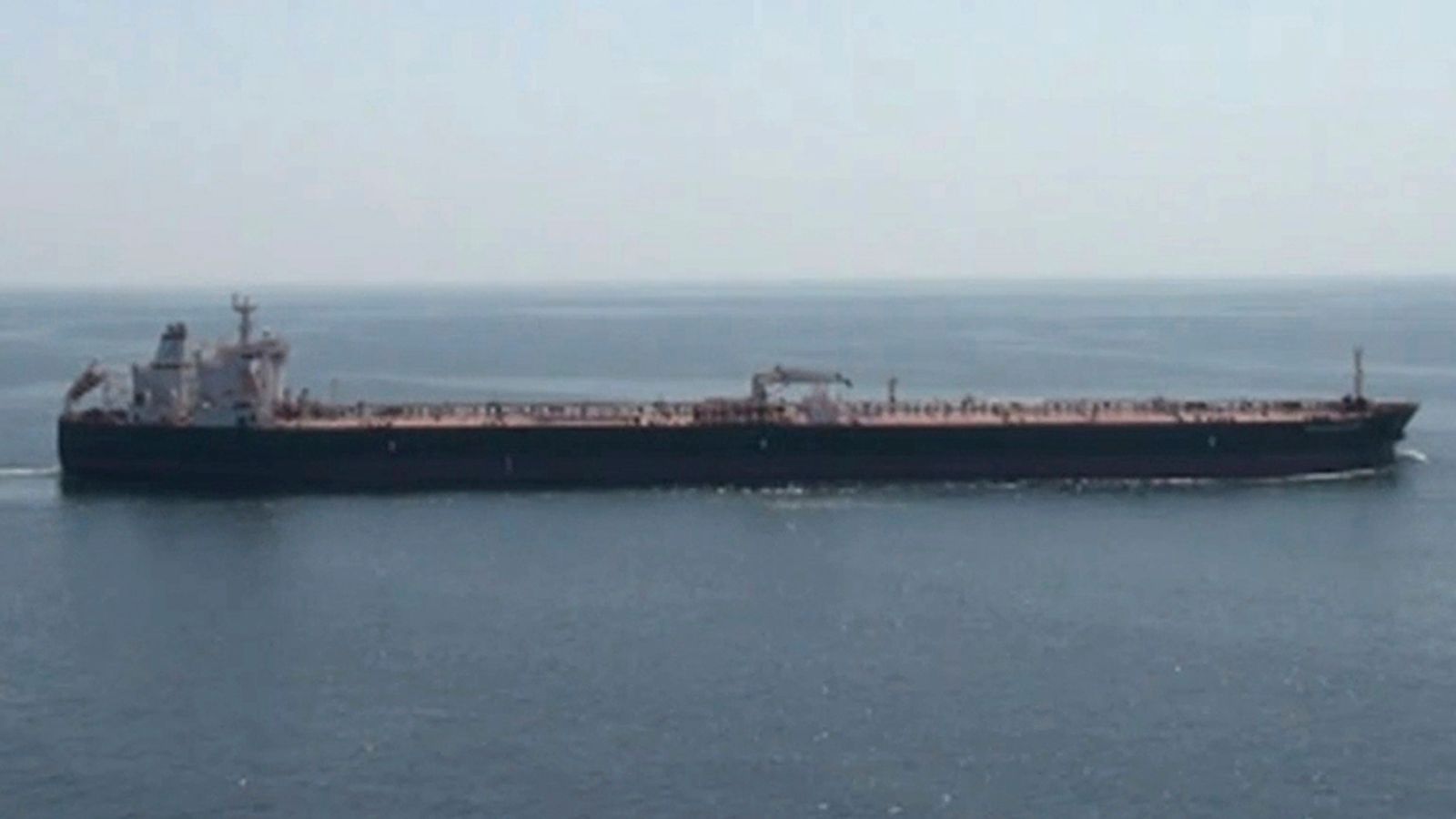
Currently, the majority of Qatar’s gas exports flow to Asian markets, but the future picture looked very different. Many nations, including the United Kingdom, had developed long-term energy strategies that assumed increasing access to Qatari liquefied natural gas (LNG) in the coming years. These weren’t casual business relationships but fundamental components of national energy security plans. Now, however, enormous uncertainty clouds these expectations. No one knows when Ras Laffan will resume full operations, and even when it does, there’s the separate question of when LNG tankers will be able to safely navigate through the Strait of Hormuz to deliver their precious cargo to waiting customers.
Direct Implications for British Households and the European Economy
For people living in the United Kingdom and across Europe, these developments in the distant Gulf carry very direct and personal implications. The impact on household energy bills remains uncertain and depends heavily on how quickly the situation stabilizes. If gas prices retreat from their recent spike within a short timeframe, most consumers won’t see significant changes in their monthly expenses. There’s some comfort in the fact that wholesale energy prices, despite the recent jump, remain substantially below the peaks experienced during the 2022 energy crisis.
However, the longer the current situation persists, the more severe the consequences become for European consumers and businesses. The continent has barely recovered from the energy price shocks of recent years, which forced many households to make difficult choices between heating and other necessities, and pushed some energy-intensive industries to the brink of collapse. Now there’s a very real possibility that Europe could face another major energy crisis before fully recovering from the last one. This potential second shock could prove even more damaging precisely because households and businesses have fewer reserves and less resilience after weathering the previous crisis. The psychological and economic toll of repeated energy emergencies could fundamentally alter European economic prospects and quality of life.
Why Everyone Should Pay Attention
The events unfolding in the Arabian Gulf deserve serious attention from everyone, not just energy industry professionals or foreign policy experts. The interconnected nature of modern global commerce means that instability in this region can quickly translate into higher prices, reduced availability of essential goods, and slower economic growth worldwide. The concentration of so much critical infrastructure in such a geographically vulnerable location represents one of the modern world’s greatest economic vulnerabilities.
This isn’t about fear-mongering or predicting inevitable disaster. Rather, it’s about understanding the real dependencies that underpin our daily lives and recognizing how quickly our access to basic necessities could be disrupted. From the fertilizers that help grow our food to the materials that build our transportation systems, from the plastics in our homes to the fuel that powers global logistics networks – all of these dependencies trace back to the hydrocarbons flowing from the Gulf region. Until the world completes its transition to alternative energy sources and materials – a process that will take decades, not years – the stability of the Arabian Gulf will remain absolutely central to global prosperity and security. The current crisis serves as a stark reminder that this transition cannot happen soon enough, and that diversification of energy sources isn’t just environmentally responsible but economically essential for long-term stability and security.