


Economic Adviser Discusses Iran Conflict Timeline and Economic Impact
War Expected to Conclude by Early April
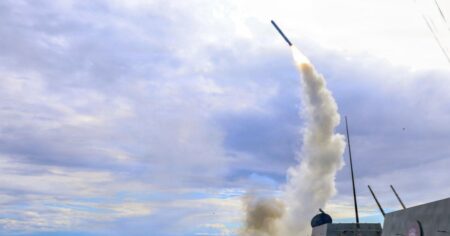
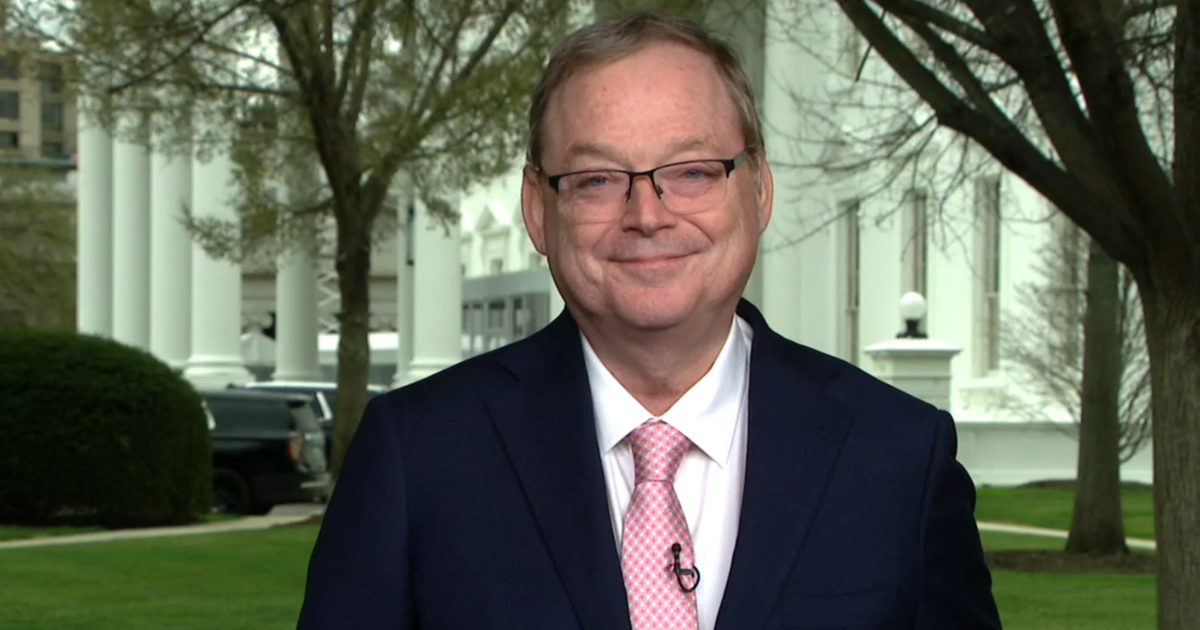
In a revealing interview on Face the Nation, Kevin Hassett, President Trump’s top economic adviser and Director of the National Economic Council, provided insights into the ongoing military conflict with Iran and its projected economic consequences. Hassett confirmed that U.S. military operations are proceeding ahead of schedule, with initial estimates suggesting the mission could be completed within four to six weeks from its start. With the conflict already a couple of weeks in, this timeline points to a potential conclusion around early April, though Hassett emphasized that President Trump will ultimately decide when objectives have been met. The Israeli Defense Forces indicated their combat operations would continue through the beginning of April, aligning roughly with the U.S. assessment. Hassett expressed confidence in the mission’s progress, noting that significant damage has already been inflicted on Iran’s military capabilities, including the destruction of their navy and air force. This aggressive timeline reflects the administration’s determination to swiftly neutralize what they characterize as Iran’s ability to “blackmail” other nations and threaten regional stability.
America’s Strong Position Despite Global Oil Disruption
Hassett sought to reassure Americans that the United States economy is well-positioned to weather the current crisis, despite the International Energy Agency characterizing this as the largest supply disruption in global oil market history. He pointed to a fundamental difference between today’s situation and the oil shocks of the 1970s: America’s transformation into a major oil producer. According to Hassett, this domestic production capacity gives the U.S. a significant advantage and insulates the American economy from the worst effects of Iran’s actions in the Strait of Hormuz. He dismissed concerns that Iran could harm the U.S. economy enough to force President Trump to back down, calling such thinking “stupid” and emphasizing that America has “lots and lots of oil” while other trading partners are more vulnerable to imported oil disruptions. Hassett also pointed to oil futures markets as a positive indicator, noting that despite current spot price increases, futures prices show expectations of a “rapid, rapid end to the situation” with much lower prices anticipated. He claimed to have never seen such a steep decline projected in futures prices throughout his years of watching these markets, suggesting market confidence in a swift resolution.
Short-Term Economic Pain with Mitigation Strategies
While projecting confidence in America’s overall economic resilience, Hassett acknowledged that the conflict is causing real economic disruption that cannot be completely eliminated, though it can be minimized. Gas prices have jumped more than 20 percent since the conflict began, and jet fuel prices are rising sharply, prompting airlines like United to quickly raise ticket prices. The American Farm Bureau has warned of supply chain shocks occurring at a time when input prices are already at record highs. Hassett revealed that his office has been studying oil disruption scenarios for years, dating back to his previous role as Chairman of the Council of Economic Advisers when General Mattis first asked him to analyze potential oil supply interruptions. Drawing on this preparatory work, the administration has developed response plans for various scenarios. These include increasing permits for Venezuelan oil, securing alternative fertilizer sources from Morocco and Venezuela to ensure farmers have adequate supplies, and facilitating shipping arrangements to address potential jet fuel shortages, particularly for fuel that would normally come from Asia. The administration is exploring ways to make it easier for foreign ships to transport fuel from the Gulf of Mexico to the West Coast to prevent disruptions.
Plans Versus Implementation Questions
When pressed on whether these mitigation measures would actually be implemented or simply remained contingency plans, Hassett’s responses became somewhat less specific. He indicated the government is “watching and monitoring closely” and “looking at things every day” to assess how quickly the situation progresses. The emphasis on energy prices as “the big problem right now” suggested a prioritization of monitoring fuel costs over immediately triggering all available relief measures. Hassett repeatedly returned to his central thesis that futures markets anticipating oil prices dropping toward $60 per barrel and “even below 50 in the long run” indicated market confidence in a quick resolution. His argument rested on the premise that once Iran’s ability to act as what he termed “this disruptive terrorist force in the Middle East” is eliminated, there will be a boom in both oil production and broader industrial production in the region. This forward-looking optimism, however, didn’t fully address the immediate concerns about food prices and supply chain disruptions that Americans might face in the coming weeks, leaving some ambiguity about the administration’s concrete action plans versus their wait-and-see monitoring approach.
The Economic Cost of Military Operations
The financial price tag of the military campaign itself emerged as another significant topic during the interview. Hassett initially stated he had been briefed on a cost of $12 billion for operations to date, which he noted was consistent with Pentagon estimates of $11.3 billion. However, this figure came under immediate scrutiny when reminded that more than $5 billion had been spent on munitions alone in just the first week of combat. After clarification, Hassett confirmed the $12 billion represented expenditures so far, not a projection for the entire six-week campaign, suggesting total costs could be substantially higher. Despite these rising expenses, Hassett expressed confidence that existing weapons stockpiles and appropriations would be sufficient to complete the mission without requiring a supplemental funding request to Congress. He indicated that Russell Vought and the Office of Management and Budget would make the final determination on whether additional congressional authorization would be needed, but the current assessment suggested available resources were adequate. This position reflects an attempt to reassure both lawmakers and the public that the military operation won’t create an unexpected fiscal burden, though the evolving cost estimates and the substantial weekly expenditure rate suggested the final accounting might tell a different story.
Long-Term Economic Optimism Built on Regime Change
Perhaps most striking was Hassett’s argument that the conflict would ultimately produce positive economic outcomes, not just for the United States but globally. He contrasted Iran’s current economic status—roughly the 50th largest economy in the world—with its pre-revolution position as the 17th largest economy back in the 1970s, attributing this decline to what he characterized as the “evil government” running the country into the ground. His point extended beyond criticism of Iran’s human rights record to an economic argument: neighboring countries suffer from the constant risk of Iranian aggression, which creates regional instability that hampers economic development. According to this view, once Iran’s military capabilities are sufficiently degraded and its ability to threaten shipping lanes and neighbors is eliminated, the entire region will experience what Hassett called “a big positive shock.” This optimistic projection assumes that reduced Iranian influence will unlock economic potential throughout the Middle East, leading to increased oil production, greater industrial output, and improved trade flows. While acknowledging no one would defend the Iranian regime’s human rights record, Hassett’s focus remained firmly on the economic calculus: short-term disruption and pain would be followed by medium and long-term gains once the mission achieved its objectives and regional stability improved.