
Spring Break Chaos: How Government Shutdown Is Creating Airport Nightmare
Record Wait Times Plague Major Airports During Peak Travel Season
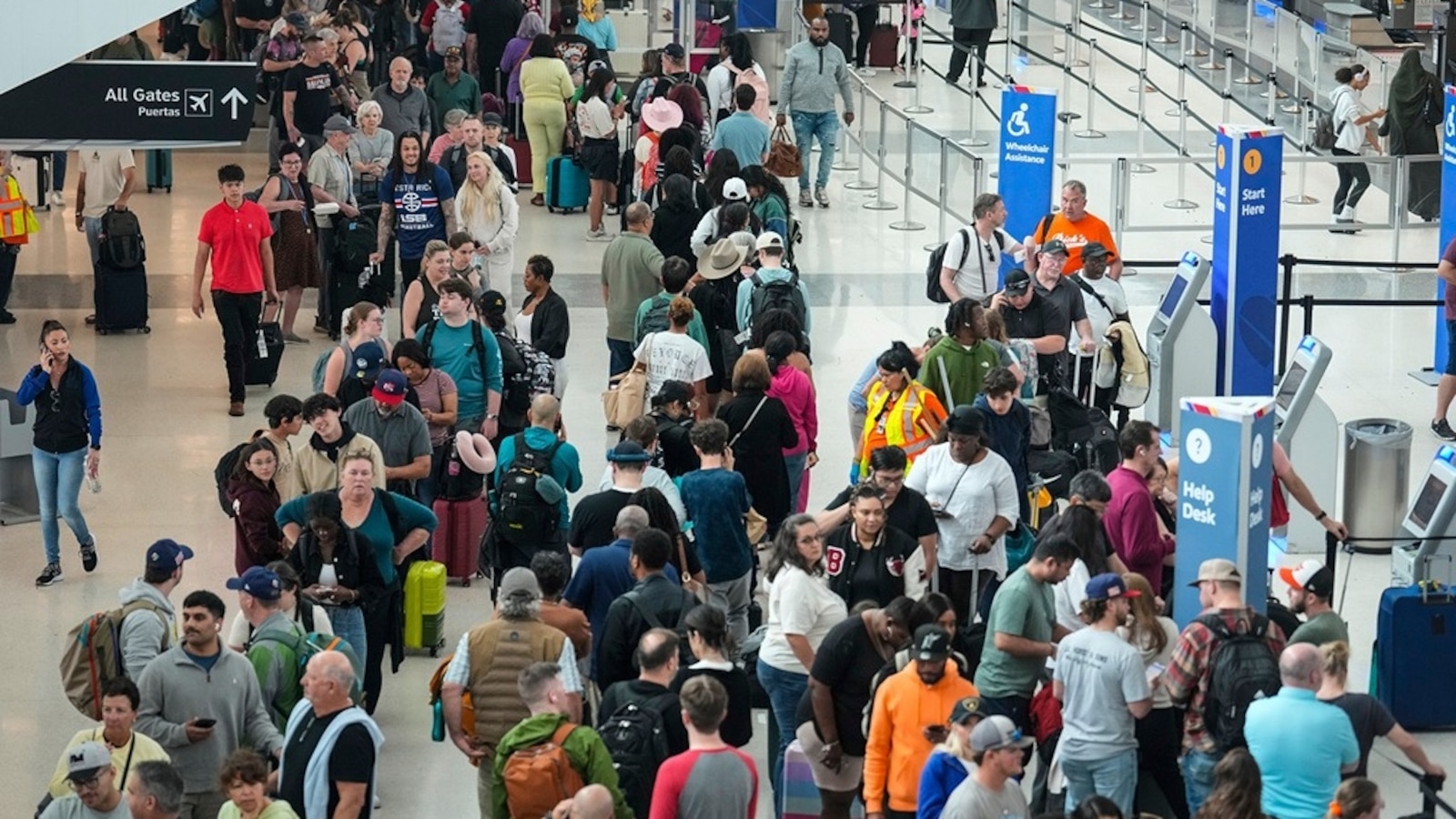
Spring Break 2026 has become a travel nightmare for millions of Americans as a partial government shutdown triggers widespread chaos at airports nationwide. Transportation Security Administration (TSA) workers, facing financial hardship from missed paychecks, are calling in sick or leaving their jobs entirely, creating a staffing crisis at the worst possible time. Lauren Bis, Deputy Assistant Secretary for Public Affairs at the Department of Homeland Security, confirmed the severity of the situation, revealing that some travelers at major airports are enduring security line waits approaching three hours. These unprecedented delays are causing passengers to miss their flights and creating a cascading effect of disruptions across the entire aviation system. Major hubs including Houston’s Hobby Airport and George Bush International Airport, New Orleans International Airport, Atlanta’s Hartsfield-Jackson International, and Charlotte Douglas International Airport are among those reporting the most significant problems, forcing airport officials to issue urgent advisories for travelers to arrive three to four hours before their scheduled departures.
The Perfect Storm: Shutdown Meets Travel Season Peak
The timing of this government shutdown couldn’t be worse for the travel industry. Airlines for America reports that carriers are expecting to transport approximately 171 million passengers between March 1 and April 30—a 4% increase over the previous year, averaging nearly 3 million passengers daily. This surge in travel demand, combined with reduced TSA staffing, has created what industry experts are calling a perfect storm. At Houston’s Hobby Airport, the situation became so dire that officials were forced to completely close the TSA PreCheck lane, a premium service that typically allows pre-screened travelers to move through security more quickly. The airport’s security checkpoint has been operating at limited capacity, with not all screening lanes open, as management struggles to cover shifts with the reduced workforce. While TSA initially indicated that PreCheck would remain operational during the shutdown, the agency has since acknowledged it must “evaluate on a case-by-case basis and adjust operations accordingly”—a euphemism for closing these lanes when staffing becomes critically low. Adding to travelers’ frustrations, the Global Entry Program, which expedites international arrivals for pre-approved travelers, remains completely suspended due to the shutdown.
Financial Hardship Driving TSA Worker Absences
The human cost of the shutdown is becoming increasingly apparent as TSA workers face mounting financial pressure. These essential security personnel received only a partial paycheck two weeks after the shutdown began, and if the political impasse continues, they’ll receive their first $0 paycheck next week. For workers living paycheck to paycheck, this financial strain is unsustainable. While airports and aviation partners have stepped up with gestures of support—providing food and gas gift cards to struggling TSA employees—industry officials acknowledge these stopgap measures “only go so far” when workers need actual paychecks to pay rent, mortgages, and other essential bills. The predictable result has been increasing absenteeism as workers either call in sick or leave the agency entirely to find employment that actually pays. This exodus is creating a vicious cycle: fewer workers mean longer shifts for those who remain, which leads to burnout and even more departures, further exacerbating the staffing crisis and resulting in even longer wait times for frustrated travelers.
Industry Leaders Sound the Alarm
Chris Sununu, president and CEO of Airlines Trade Group, expressed the aviation industry’s growing frustration with the political stalemate, emphasizing that airlines have done everything in their power to prepare for the busy spring travel season. “We are in spring break travel season and expecting record numbers of people to take to the skies,” Sununu stated in response to Sunday’s travel disruptions. “Airlines have done their part to prepare; now Congress and the administration must act with urgency to reach a deal that reopens DHS and ends this shutdown. America’s transportation security workforce is too important to be used as political leverage.” Todd Hauptli, president and CEO of the American Association of Airport Executives, painted an even grimmer picture at a press conference Thursday, warning that conditions will only deteriorate if the shutdown continues. “You’re going to see that as every day goes by, the longer this goes on,” Hauptli cautioned. “We’re going to see sickouts, we’re going to see screeners who love their jobs that are going to be forced to look for other jobs. TSA is going to do their very best to try and keep those lines moving, but they’re not going to sacrifice safety and that means people should be prepared as this drags out for longer. Take more time, you have to pack your patience.”
Unpredictable Disruptions Across the Aviation Network
One of the most challenging aspects of this crisis is its unpredictability. Sununu explained that it’s virtually impossible to forecast which airports will be hardest hit on any given day, making contingency planning extremely difficult for airlines and travelers alike. While smaller airports might be disproportionately affected due to their limited staffing resources, the problems don’t stay contained—they create a domino effect that ripples through larger airports across the country. “You never know where there’s going to be pressure on one airport or another,” Sununu noted. “Will it be Chicago? Will it be Burbank? Will it be national? Will it be overseas? And so it’s hard to plan for that, because it’s really a day-by-day thing, and so the airlines are 24/7 constantly scrambling, looking at all the numbers and all the data, making sure that they can adapt and work around these issues as best they can.” This uncertainty means that even travelers departing from airports that aren’t currently experiencing problems should prepare for potential delays, as disruptions at connecting airports can cascade throughout the system, affecting flights nationwide.
The Cost of Political Dysfunction
The current situation isn’t without precedent, and the historical data paints a sobering picture of what’s at stake. During last year’s government shutdown, more than 9,000 flights were either delayed or canceled, according to the U.S. Travel Association. This chaos significantly impacted six million travelers and caused an estimated $6.1 billion in losses across the travel industry and related economic sectors. If the current shutdown continues through the peak spring travel season, the financial damage could be even more severe given the higher volume of travelers. Beyond the economic costs, there’s the immeasurable human toll: families missing precious vacation time, business travelers unable to reach important meetings, and students unable to return to school after spring break. TSA workers themselves, who are on the front lines of national security, are being forced to choose between their commitment to public safety and their ability to feed their families. As the shutdown drags on with no resolution in sight, travelers are being advised to build extra time into their airport plans, monitor their flight status closely, and above all, pack their patience. The current crisis serves as a stark reminder that when government dysfunction meets the real world, it’s ordinary Americans—both workers and travelers—who pay the price.