
A Nation Mourns: President Trump Honors Fallen Heroes at Dover Air Force Base
The Solemn Ceremony in Delaware
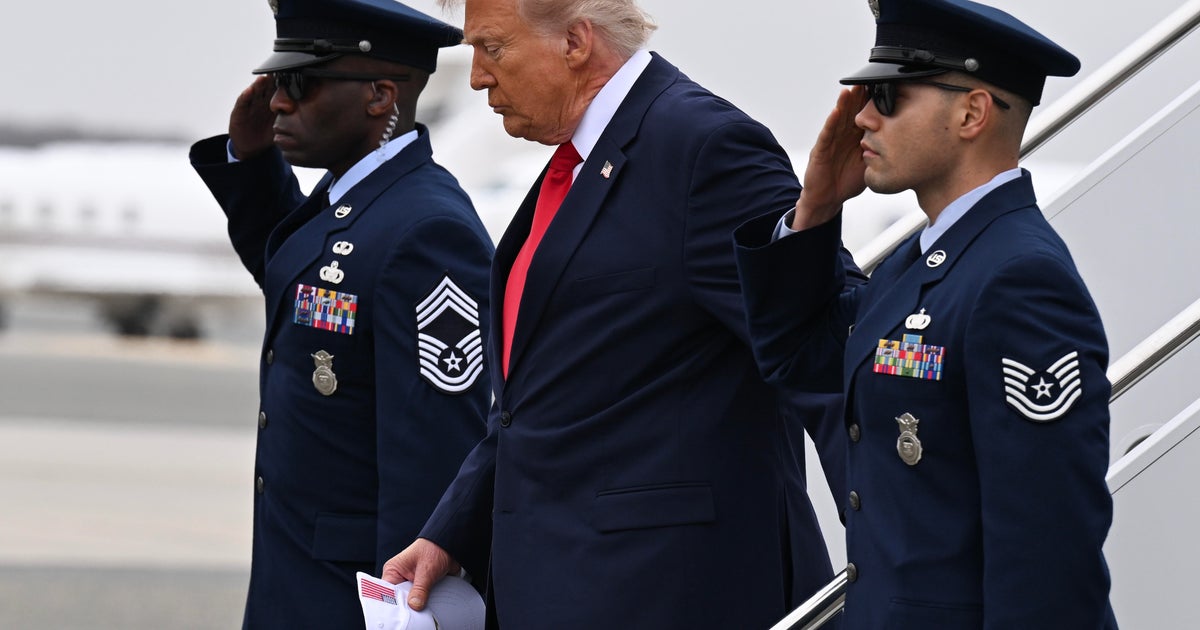
On a somber Saturday, President Trump traveled to Dover Air Force Base in Delaware to participate in one of the most sacred and heartbreaking duties of the American presidency—a dignified transfer ceremony. This solemn ritual honors the return home of six brave servicemembers who lost their lives during the opening days of military operations related to the Iran conflict. Accompanying the President were Defense Secretary Pete Hegseth and Middle East special envoy Steve Witkoff, both standing in solidarity to pay their respects to these fallen heroes. Upon his arrival at Dover, President Trump was received by senior military officials, including Colonel Jamil Musa, Commander of the 436th Airlift Wing, and Colonel Martha “Jeannie” Sasnett, who leads Air Force Mortuary Affairs Operations. The presence of these commanding officers underscored the gravity and significance of the moment, as the nation prepared to receive its sons and daughters who made the ultimate sacrifice in service to their country.
Remembering the Fallen Six
The Department of Defense officially identified the six servicemembers whose lives were tragically cut short in this attack. They were Captain Cody A. Khork, 35 years old; Sergeant First Class Noah L. Tietjens, 42; Sergeant First Class Nicole M. Amor, 39; Sergeant Declan J. Coady, just 20 years old; Major Jeffrey O’Brien, 45; and Chief Warrant Officer 3 Robert M. Marzan, 54. These six individuals represented a cross-section of American military service—spanning different ages, ranks, and experiences, yet united in their commitment to defending their nation. All six lost their lives on Sunday, March 1st, during an unmanned aircraft system attack in Port Shuaiba, Kuwait. The attack represents the deadly reality of modern warfare, where threats can come from the sky without warning, and where technological advances have created new dangers for those serving on the front lines. Each of these servicemembers left behind families, friends, communities, and fellow soldiers who are now grappling with an immense loss that can never truly be measured or replaced.
Warriors of the 103rd Sustainment Command
All six fallen heroes were members of the 103rd Sustainment Command, a unit based in Des Moines, Iowa, that plays a critical but often underappreciated role in military operations. This unit is responsible for providing food, supplies, and other essential logistics support to military personnel deployed throughout various theaters of operation. While combat units often receive the most attention and recognition, sustainment commands like the 103rd are the backbone of any successful military operation. Without the dedicated men and women who ensure that troops are fed, supplied, and supported, no military mission could succeed. These six individuals were doing precisely that vital work when they were attacked—serving not on the front lines of direct combat, but in the equally important role of keeping their fellow servicemembers equipped and ready. Their sacrifice reminds us that danger in military service doesn’t discriminate based on your specific role or position. Whether you’re carrying a rifle in direct combat or ensuring supplies reach those who need them, the risks are real, and the consequences can be devastating. The loss of these six members represents a significant blow to the 103rd Sustainment Command and to the broader military community that relied on their expertise and dedication.
The President’s Remarks and Reflection
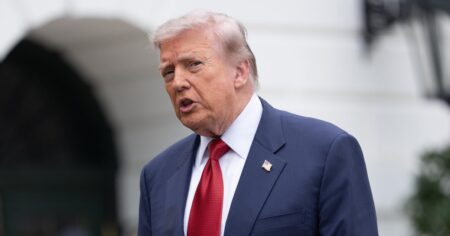
Earlier that same Saturday, before departing for Dover Air Force Base, President Trump addressed a gathering of Latin American leaders in Miami. During those remarks, he referenced the tragic deaths of these servicemembers, calling the situation “very sad” and noting with poignant clarity that these soldiers were “coming home in a different manner than they thought they’d be coming home.” These words capture the heartbreaking reality for military families—the constant awareness that their loved ones face dangers that could prevent them from returning home safely. The President continued by affirming that “they’re great heroes in our country, and we’re going to keep it that way,” a promise to ensure that their sacrifice would be remembered and honored by a grateful nation. For President Trump, this was far from his first dignified transfer ceremony. During his first term in office, he spoke candidly about these ceremonies, describing participation in the dignified transfer as “the toughest thing I have to do” as president. This admission reveals the profound emotional weight these ceremonies carry, even for the Commander in Chief. No amount of political power or presidential authority can diminish the grief and solemnity of receiving the remains of those who died serving their country.
Understanding the Dignified Transfer
The dignified transfer ceremony is one of the military’s most sacred traditions and represents far more than a simple logistical process of returning remains to American soil. This ritual embodies the nation’s commitment to honoring those who have fallen in service, ensuring that they are received with the utmost respect, dignity, and reverence. Unlike a funeral service, the dignified transfer is not open to the public and typically includes only family members, military officials, and the President or other high-ranking government representatives. The ceremony takes place at Dover Air Force Base in Delaware, which serves as the port of entry for fallen servicemembers returning from overseas. During the transfer, a military carry team carefully moves the flag-draped transfer case containing the remains from the aircraft to a waiting vehicle. Every movement is precise, every gesture deliberate, reflecting the military’s deep respect for the fallen. For families watching, this ceremony represents the first moment they physically receive their loved one back on American soil, a moment filled with profound grief but also with pride in their service. For presidents, participating in these ceremonies serves as a stark reminder of the human cost of military decisions and foreign policy. It’s one thing to make strategic decisions in the White House; it’s quite another to stand on the tarmac at Dover and witness the consequences of those decisions arriving home in flag-draped cases.
A Nation’s Ongoing Commitment to Its Heroes
Following the completion of the dignified transfer ceremony, President Trump was scheduled to return to Mar-a-Lago, his residence in Florida. But the impact of the ceremony extends far beyond that single day or that specific tarmac in Delaware. The deaths of Captain Khork, Sergeant First Class Tietjens, Sergeant First Class Amor, Sergeant Coady, Major O’Brien, and Chief Warrant Officer Marzan represent just six of the countless Americans who have given their lives in military service throughout our nation’s history. Their sacrifice raises important questions about the costs of military engagement, the value we place on protecting our servicemembers, and how we support military families who must bear the burden of loss. As tensions with Iran and other adversaries continue to create dangerous situations for deployed American forces, ceremonies like the one at Dover remind us that behind every strategic decision, every military operation, and every foreign policy objective are real people—mothers and fathers, sons and daughters, husbands and wives—who put themselves in harm’s way for our country. The dignified transfer ceremony at Dover Air Force Base serves as a powerful reminder that freedom isn’t free, that security comes at a cost, and that we must never forget or take for granted the sacrifices made by our military personnel and their families. As a nation, our responsibility doesn’t end with the ceremony. We must continue to support military families, provide for veterans, and ensure that those who serve know that their sacrifice—and the sacrifice of their fallen comrades—will always be remembered and honored.