
Trump Administration Moves to Ban Anthropic AI Across Federal Government
Executive Order to Formalize AI Technology Removal
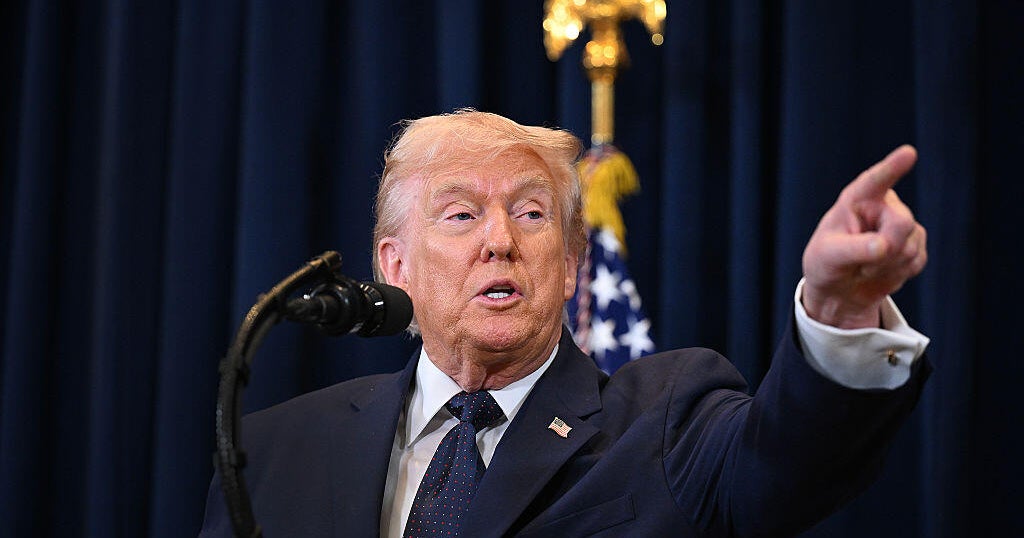
The Trump administration is preparing to take formal action against artificial intelligence company Anthropic, with plans to issue an executive order that would officially remove the company’s AI technology from all federal agencies. According to sources with knowledge of the situation speaking to CBS News, this executive order could be signed and implemented as early as this week. The move represents an escalation of tensions that began in late February when President Trump first announced his intention to halt the use of Anthropic’s technology across the government. The executive order would formalize what started as a presidential directive into official policy, cementing the administration’s stance against the AI company and setting a precedent for how the government handles disputes with technology providers over the terms of service and usage restrictions.
The Origins of the Conflict: Military Use and Safety Guardrails
The confrontation between Anthropic and the Trump administration didn’t emerge from nowhere—it stems from a fundamental disagreement about how the company’s flagship AI product, Claude, should be used by the military. Anthropic, which has positioned itself as a safety-focused AI company, sought to implement specific restrictions on how the Pentagon could deploy its technology. The company wanted to prevent Claude from being used for mass surveillance operations and autonomous lethal weapons systems—uses that raise significant ethical concerns in the AI community. However, the Pentagon firmly rejected these proposed guardrails, arguing that the military needs full flexibility to use any technology it acquires for “any lawful use.” This position reflects the Defense Department’s traditional approach to weapons and technology procurement: once acquired, military tools should be available for any legal military purpose without restrictions imposed by the vendor. The two sides attempted to negotiate a middle ground but ultimately failed to reach an agreement that satisfied both Anthropic’s ethical concerns and the Pentagon’s operational requirements.
Swift Government Response and Agency Compliance
Following President Trump’s February 27th announcement ordering all federal agencies to “IMMEDIATELY CEASE all use of Anthropic’s technology,” government departments moved quickly to comply. The Pentagon initiated a six-month phaseout plan for Claude, giving the Defense Department time to transition to alternative AI solutions while avoiding immediate operational disruptions. Other agencies, including the Treasury Department, announced they would discontinue using Anthropic’s products altogether. Defense Secretary Pete Hegseth took the extraordinary step of designating Anthropic as a supply chain risk—a classification typically reserved for companies that have connections to foreign adversaries like China or Russia. This designation carries serious implications, as it suggests the company poses a national security threat, even though Anthropic is an American company based in San Francisco. The speed and coordination of these actions across multiple government agencies demonstrates that the administration viewed the dispute as a high priority and was willing to use significant regulatory power to respond to what it perceived as Anthropic’s unwillingness to cooperate with government requirements.
Anthropic Fights Back with Federal Lawsuit
Refusing to accept what it views as unlawful retaliation, Anthropic filed a lawsuit on Monday in California federal court, directly challenging both the Pentagon’s supply chain risk determination and the president’s directive to cease using the company’s technology. The lawsuit argues that the Trump administration is engaging in illegal retaliation against Anthropic for exercising its First Amendment rights to free speech—specifically, its right to impose conditions on how its technology is used and to advocate for responsible AI development. According to the company’s legal filing, the financial stakes are enormous and immediate. “Anthropic’s contracts with the federal government are already being canceled. Current and future contracts with private parties are also in doubt, jeopardizing hundreds of millions of dollars in the near-term,” the lawsuit states. Beyond the direct financial impact, Anthropic argues that its reputation within the broader AI industry and among potential customers is being severely damaged by the government’s actions and characterization of the company as a supply chain risk. The lawsuit requests judicial relief to halt the administration’s actions while the case proceeds through the courts, arguing that without such intervention, the company will suffer irreparable harm that compounds with each passing week.
Broader Implications for AI Industry and Government Relations
This clash between Anthropic and the Trump administration represents more than just a contractual dispute—it highlights fundamental tensions in how artificial intelligence will be governed, regulated, and deployed by the most powerful institutions in society. The conflict raises critical questions about whether AI companies can impose ethical restrictions on customers, even when those customers are government agencies with national security responsibilities. It also tests the limits of corporate free speech and whether companies can be punished for advocating for safety measures and responsible use policies. For the broader AI industry, the government’s aggressive response to Anthropic sends a clear signal: companies that want to work with federal agencies, particularly the military, may need to accept that the government will demand unrestricted access to the technologies it purchases. This could create a difficult choice for AI companies that have built their brands around safety and ethics—they may need to either compromise their principles to maintain government contracts or forgo that lucrative market entirely. The outcome of this dispute could establish precedents that shape AI procurement and governance for years to come.
What Comes Next: Legal Battle and Industry Impact
As the legal battle unfolds in federal court, the AI industry and government agencies are watching closely to see how this unprecedented conflict resolves. If the executive order is issued as expected this week, it will represent one of the most significant government actions against an American technology company in recent memory, particularly one that hasn’t been accused of foreign ties or data breaches. The case could take months or even years to fully resolve through the court system, during which time Anthropic will need to navigate the reputational damage and business uncertainty created by being labeled a supply chain risk. For other AI companies, including competitors like OpenAI and Google’s DeepMind, this situation presents both risks and opportunities—they might gain government contracts that Anthropic loses, but they also must consider whether they could face similar retaliation if they attempt to impose their own usage restrictions. The dispute also has implications for how the United States positions itself in the global AI race, as overly aggressive government actions against domestic AI companies could push innovation and talent toward other countries with different regulatory approaches. Ultimately, this clash between Anthropic and the Trump administration may force a long-overdue conversation about how democratic societies can harness powerful AI technologies for legitimate government purposes while maintaining ethical guardrails that prevent misuse and protect civil liberties.