

President Trump Postpones China Visit Amid Escalating Iran Conflict
A Strategic Decision During Wartime
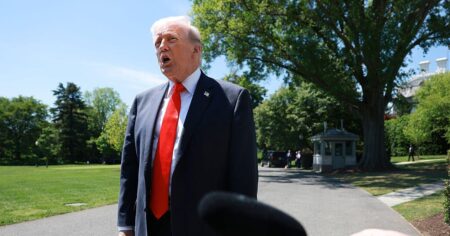
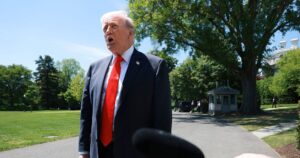
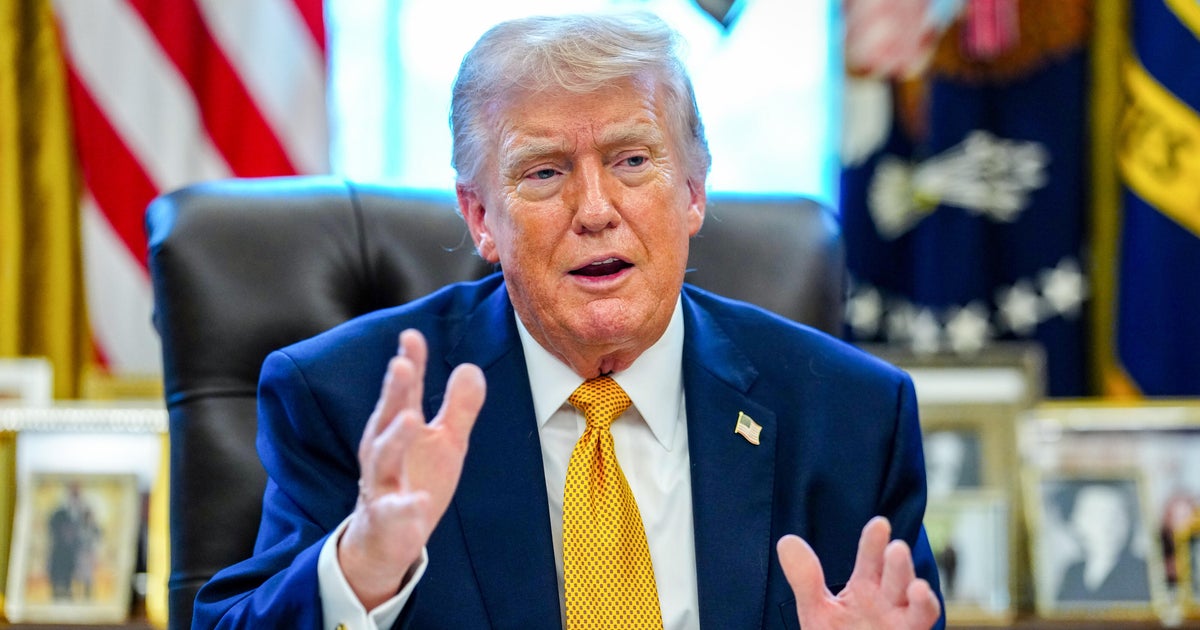
In a significant diplomatic development, President Trump announced on Monday that he has asked to postpone his scheduled visit to China, citing the ongoing conflict with Iran as the primary reason for the delay. Speaking from the Oval Office during a public event, the President made it clear that his place is in Washington during this critical time. “I was speaking to China, and I’d love to go, but because of the war, I want to be here. I have to be here, I feel,” Trump explained to reporters and attendees. The conflict with Iran, which has now entered its third week, has created a situation that the President believes requires his direct attention and presence on American soil. Trump indicated that he has requested the visit be pushed back by approximately a month, expressing his continued interest in meeting with Chinese President Xi Jinping once circumstances allow. The postponement reflects the seriousness with which the administration is treating the Middle Eastern crisis and underscores the President’s commitment to remaining closely involved in managing the military and diplomatic response to the Iranian situation.
The Strait of Hormuz Crisis and Global Oil Concerns
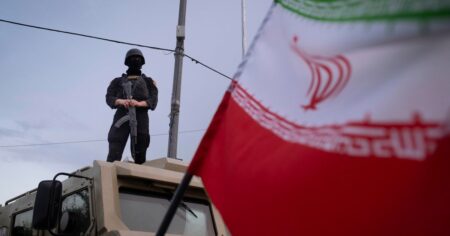
The backdrop to this diplomatic postponement is the increasingly urgent situation surrounding the Strait of Hormuz, one of the world’s most critical oil shipping lanes. Since the beginning of the conflict with Iran, oil prices have skyrocketed as Iranian threats have effectively choked off the normal flow of oil tankers through this strategic waterway. The economic implications are global in scope, affecting fuel prices and energy security worldwide. President Trump has been actively reaching out to various international partners, including Beijing and other capitals, urging them to contribute to efforts aimed at reopening the strait to commercial shipping. The President’s appeal to China is particularly strategic, given that nation’s heavy dependence on Middle Eastern oil imports. In a weekend interview with the Financial Times, Trump made explicit his expectation that China should step up and assist in forming a new international coalition dedicated to restoring safe passage for oil tankers through the contested waters. This appeal represents an attempt to leverage shared economic interests—particularly energy security—as a basis for cooperation even as other aspects of the U.S.-China relationship remain tense and complicated.
The Complex State of U.S.-China Relations
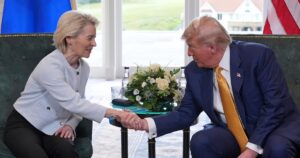
The requested postponement of Trump’s China visit comes against a backdrop of strained relations between the world’s two largest economies. Over the past year, both nations have engaged in a series of escalating trade disputes, with each side threatening and in some cases implementing steep tariffs on the other’s goods. These economic tensions have created an atmosphere of uncertainty in global markets and have complicated diplomatic efforts on other fronts. Despite these challenges, both governments have maintained channels of communication, recognizing that their intertwined economies and shared interests in global stability require ongoing dialogue. The President’s continued expression of interest in meeting with President Xi, even while postponing the trip, signals that the administration views the relationship as important enough to preserve and potentially improve. The fact that Trump specifically mentioned looking forward to being with Xi suggests that he sees value in the personal diplomatic relationship he has cultivated with the Chinese leader, even as policy differences persist. This approach reflects Trump’s broader foreign policy style, which often emphasizes personal relationships with other world leaders as a tool for advancing American interests.
China’s Measured Response
China’s official response to the postponement request has been characteristically restrained and diplomatic. Lin Jian, a spokesperson for China’s foreign ministry, addressed the matter during a Monday news conference, confirming that “China and the U.S. are maintaining communication regarding President Trump’s visit to China.” However, according to reporting by the French news agency AFP, Lin did not directly address Trump’s public pressure on China to contribute to efforts to reopen the Strait of Hormuz. This careful response is typical of Chinese diplomatic communications, which often acknowledge developments without committing to specific positions or actions that might be seen as yielding to external pressure. The Chinese government’s decision to neither reject the postponement request nor commit to the coalition effort Trump has proposed suggests Beijing is weighing its options carefully. China must balance its genuine need for Middle Eastern oil against its traditional foreign policy stance of non-interference in regional conflicts and its reluctance to be seen as following America’s lead in military or quasi-military operations. The ongoing communication between the two governments indicates that despite public tensions, back-channel diplomacy continues to function.
Implications for the International Coalition Effort
President Trump’s push to assemble an international coalition to secure the Strait of Hormuz represents a significant test of American diplomatic influence during a time of global uncertainty. By specifically calling on NATO allies and China to contribute to this effort, Trump is attempting to frame the crisis as one requiring a multilateral response based on shared economic interests rather than traditional security alliances alone. The success or failure of this coalition-building effort will have implications far beyond the immediate crisis. If Trump can successfully bring together a diverse group of nations—including longtime allies and strategic competitors like China—it would demonstrate that economic interdependence can serve as a basis for security cooperation even when political relationships are strained. Conversely, if major powers decline to participate meaningfully in such a coalition, it could signal a weakening of American ability to organize international responses to regional crises. The postponement of the China visit, while necessary from Trump’s perspective given the war situation, also means a delay in the opportunity for face-to-face diplomacy that might have been used to secure Chinese cooperation on the Hormuz situation.
Looking Ahead: Balancing Domestic Leadership and International Diplomacy
President Trump’s decision to postpone his China trip in favor of remaining in Washington highlights the constant tension leaders face between domestic responsibilities and international engagement. By choosing to stay home during the conflict, Trump is signaling to the American public that he is personally engaged in managing the crisis and available to make rapid decisions as circumstances evolve. This decision reflects political calculations as well as practical considerations—being present in the capital during wartime allows for better coordination with military and civilian officials and demonstrates leadership visibility that voters typically expect during national security crises. However, this choice also comes with costs. Direct, face-to-face diplomacy with President Xi might have provided opportunities to advance American interests, build personal rapport, and negotiate agreements that are difficult to achieve through intermediaries or remote communication. As the Iran conflict continues and the proposed visit delay extends to “a month or so,” the administration will need to carefully manage both the military situation and the diplomatic relationships that may prove crucial to resolving the crisis. The coming weeks will reveal whether Trump’s decision to prioritize his presence in Washington over international travel will prove strategically sound, and whether China and other nations will answer his call to help secure one of the world’s most vital energy corridors.