
Trump Sons Deepen Ties to Drone Industry Amid National Security Policy Shifts
Growing Family Business Interests in Defense Technology
The Trump family’s business ventures have taken a significant turn toward the defense technology sector, with President Donald Trump’s two eldest sons, Eric and Donald Jr., making substantial investments in the rapidly expanding American drone industry. This development has raised eyebrows among ethics watchdogs and political observers, particularly as the Trump administration has simultaneously implemented policies that appear to benefit the domestic drone manufacturing sector. On Monday, a newly established drone company called Powerus Corporation publicly announced that both Eric Trump and Donald Trump Jr. are “notable investors” in their operation. According to the company’s press release, Powerus aims to champion American drone industry leadership through domestic manufacturing, cutting-edge autonomous systems innovation, and strategic partnerships with defense agencies. This announcement marks just one of several drone-related investments the Trump sons have made in recent months, creating a complex web of business interests that intersect with government contracts and defense policy decisions.
Multiple Drone Investments Across the Trump Family Portfolio
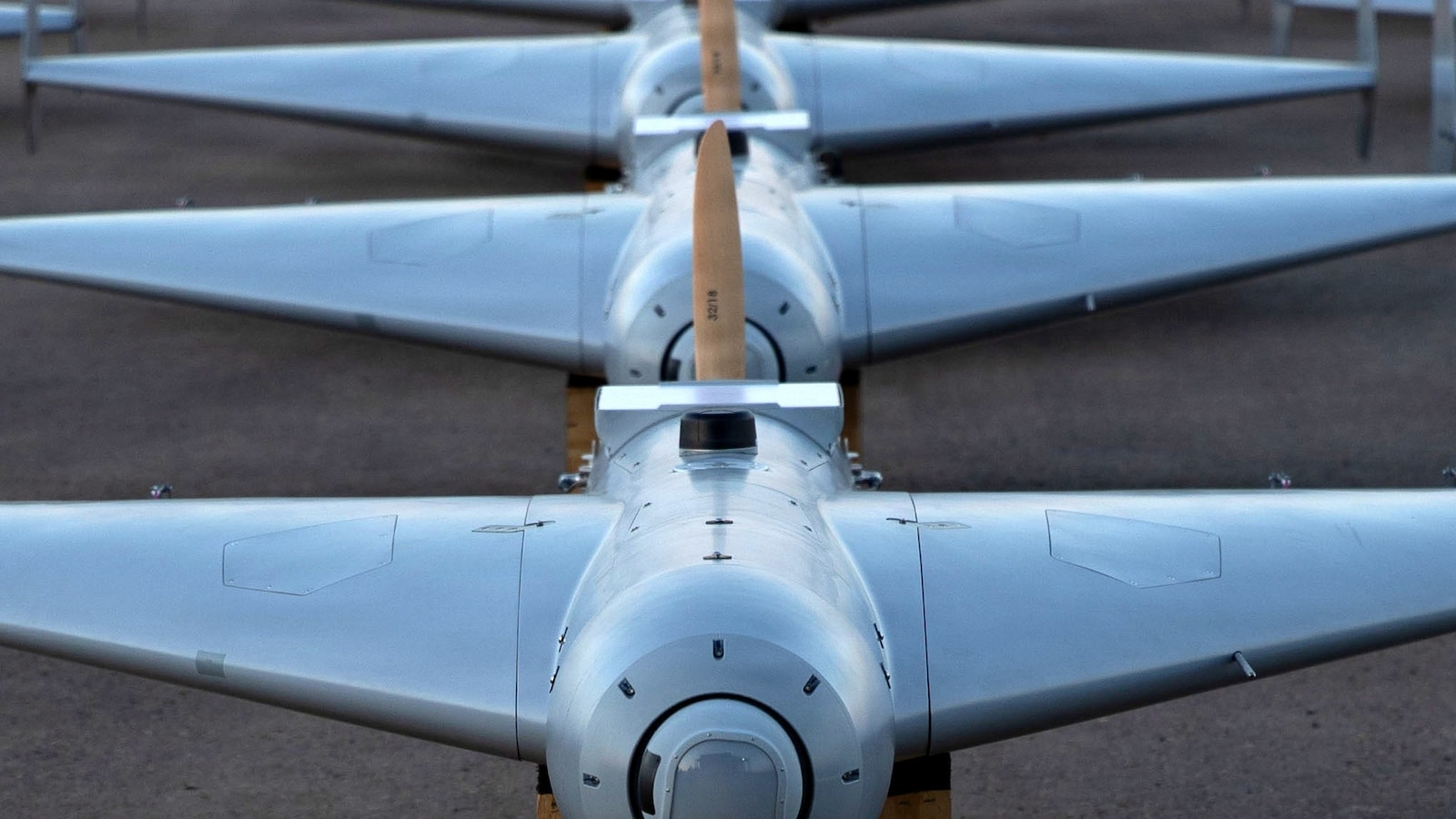
The Trump brothers’ involvement in the drone industry extends well beyond their investment in Powerus Corporation. Eric Trump has also invested in Xtend, an Israeli drone manufacturer that expanded its operations to American soil by opening a facility in Tampa, Florida, last year. In a post on the social media platform X, Eric enthusiastically described drones as “the wave of the future” and expressed his pride in Xtend’s work to keep America safe. The company has already made significant inroads into the U.S. defense market, securing a multi-million-dollar contract with the U.S. Department of War (DOW) in November to develop and deliver AI-enabled affordable close quarter modular one-way attack drones. These weapons systems, which represent a new frontier in military technology, recently saw their first combat deployment by the Pentagon during joint U.S.-Israeli attacks on Iran, according to U.S. Central Command. Military officials have indicated that these one-way attack drones have proven to be a significant tactical advantage in the conflict, underscoring their growing importance in modern warfare.
Meanwhile, Donald Trump Jr. has diversified his drone industry portfolio through multiple channels. In November 2024, he joined the advisory board of Unusual Machines, yet another drone manufacturer that has successfully secured government contracts. Beyond this advisory role, Trump Jr.’s investment firm, 1789 Capital, has acquired a major stake in Anduril Industries, a defense company that specializes in unmanned combat machinery and has likewise secured lucrative government contracts. These interconnected investments create a situation where both Trump sons have financial interests in multiple companies competing for and winning contracts from the very government their father leads.
Policy Changes That Favor Family Business Interests
The timing of the Trump administration’s policy decisions regarding drone manufacturing has added another layer of complexity to this situation. In December, the administration implemented a comprehensive ban on foreign-made drones and their critical components, citing national security concerns as justification for the action. This ban specifically targets communications and video-surveillance equipment from Chinese manufacturers, which have historically dominated the global drone market with their combination of advanced technology and competitive pricing. By effectively removing Chinese competitors from the American market, this policy decision created a golden opportunity for companies in the highly fragmented U.S. drone sector to compete for lucrative Pentagon contracts without facing their most formidable international rivals.
The ban represents a significant shift in the competitive landscape for drone manufacturing, essentially reserving a growing market for American companies at a time when the Trump sons have heavily invested in exactly those types of businesses. While the administration has framed this decision purely in terms of national security—a legitimate concern given the sensitive nature of military and surveillance technology—the timing and beneficiaries of the policy have raised questions about whether family business interests played any role in shaping government decisions. The drone industry has become increasingly important to military operations, with one-way attack drones and autonomous systems representing the future of warfare according to military strategists. This makes the contracts being awarded worth not just millions today, but potentially billions in the coming years as the Pentagon continues to modernize its arsenal.
Ethics Concerns and Questions About Conflicts of Interest
Ethics watchdogs have not remained silent about these developments. Dylan Hedtler-Gaudette, who serves as director of government affairs at the nonpartisan Project on Government Oversight, characterized these business arrangements as presenting “at a minimum the appearance of impropriety.” In an interview with ABC News, Hedtler-Gaudette acknowledged that President Trump likely isn’t personally making decisions about which companies receive Pentagon contracts. However, he pointed out a more subtle and perhaps more concerning dynamic: everyone who does make those decisions is certainly aware of which companies have connections to the president’s family. This creates an environment where it becomes difficult to trust the integrity of contract award decisions.
“Are contracts going to the best competitors offering up bids?” Hedtler-Gaudette asked. “Or are they handing out bids based on family connections to the White House?” This question strikes at the heart of concerns about conflicts of interest in the current administration. Even if no explicit corruption occurs, the mere perception that family connections might influence billion-dollar contract decisions undermines public confidence in government institutions and the fairness of the contracting process. The situation becomes even more complex when considering that these aren’t isolated investments but rather a coordinated pattern of financial interests across multiple companies all competing in the same sector that has recently benefited from favorable government policy changes.
The Trust Arrangement and Corporate Expansion Plans
When questioned about potential conflicts of interest, the Trump family has consistently maintained that President Trump remains uninvolved in his sons’ business dealings. The White House has pointed to the arrangement whereby the president’s assets have been placed in a trust, suggesting this provides adequate separation between his official duties and family business interests. However, critics note that this is not a traditional blind trust—the kind typically used by presidents and other high-level officials to avoid conflicts of interest. Instead, the trust is managed by Trump’s own children, the very individuals making these drone industry investments. This arrangement has been criticized by ethics experts as insufficient to prevent conflicts of interest, since the president presumably maintains awareness of his children’s business activities and the trust beneficiaries remain the Trump family members themselves.
Adding another dimension to the situation, Powerus Corporation announced plans to become a publicly traded company following its merger with Aureus Greenway Holdings, a golf course operator. This merger would combine the drone manufacturer with the golf business into a single corporate entity called Powerus Corporation. The decision to pursue public trading would make the company’s financial performance and contract wins a matter of public record, potentially providing more transparency but also creating additional questions about how government contracts might affect the Trump family’s publicly visible wealth. ABC News reached out to the Trump Organization for comment on these various business arrangements and ethical concerns but did not receive an immediate response.
The convergence of family business interests, government policy changes, and defense contracts represents one of the most significant potential conflicts of interest facing the Trump administration. As drone technology becomes increasingly central to American military strategy and the domestic drone industry positions itself to capture market share previously held by foreign competitors, the financial stakes continue to grow. Whether these investments represent shrewd business acumen, problematic conflicts of interest, or something in between will likely remain a subject of debate and scrutiny throughout the remainder of Trump’s presidency. What remains clear is that the Trump sons have positioned themselves at the center of an industry that stands to benefit enormously from both technological trends in modern warfare and policy decisions made by their father’s administration.