


Trump Administration Takes Aim at College Sports Compensation: What’s at Stake?
A Presidential Intervention in College Athletics
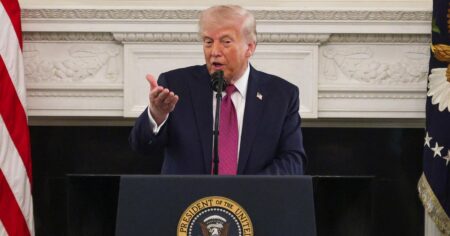
President Trump is poised to shake up the world of college sports with an executive order expected as early as Friday that would dramatically reshape how universities handle student-athlete compensation. According to senior White House officials, the order seeks to strengthen the NCAA’s grip on collegiate athletics while threatening to withhold federal funding from institutions that fail to comply with NCAA regulations. This aggressive move comes as the president has repeatedly voiced frustration with the current system that allows college athletes to profit from their name, image, and likeness—commonly known as NIL rights. The issue has become a flashpoint in American sports, pitting tradition against fairness, and institutional control against athlete empowerment. As colleges grapple with multimillion-dollar payouts and an uncertain regulatory landscape, the Trump administration’s intervention signals that the federal government is ready to wade into one of the most contentious debates in modern sports history.
The NIL Revolution That Changed Everything
The landscape of college sports underwent a seismic shift following a court settlement that granted Division I student-athletes the right to be compensated directly by their colleges and universities. This represented a fundamental departure from the decades-old amateur model that had defined collegiate athletics, where athletes generated billions in revenue through television contracts, ticket sales, and merchandise, yet received only scholarships in return. The watershed $2.8 billion settlement didn’t just change the future—it reached backward in time, making the agreement retroactive and holding colleges financially responsible for NIL opportunities that were denied to student-athletes between 2016 and 2025. This retroactive provision has created an enormous financial burden for athletic departments across the country, forcing them to confront years of unpaid compensation while simultaneously navigating the new reality of paying current athletes. Schools now find themselves caught between legal obligations, competitive pressures to attract top talent, and budget constraints that threaten the viability of their entire athletic programs.
Presidential Concerns About Financial Sustainability
President Trump has been characteristically blunt in his assessment of the new compensation structure, painting a picture of financial catastrophe for American colleges. Speaking to the Republican congressional campaign arm in March, he offered a colorful critique of the situation: “What they’ve done is destroyed college sports and destroying colleges because colleges can’t afford to pay quarterbacks, that never threw a ball before, that a 17 years old, $12 million dollars to play college, because every college is going to go bankrupt.” While the specific figures in Trump’s statement may represent rhetorical exaggeration, they underscore genuine concerns shared by many college administrators who are struggling to balance their athletic budgets in this new era. The president’s concerns extend beyond just football programs; he has publicly worried about the broader implications for women’s sports and even America’s Olympic pipeline. Trump has noted that many American Olympians train at U.S. colleges, suggesting that financial instability in collegiate athletics could ultimately weaken America’s performance on the world stage. These wide-ranging concerns have propelled the issue from the sports pages to the Oval Office, making it a priority for federal intervention.
The Proposed Federal Response and Its Implications
The executive order under consideration would mark an unprecedented federal intrusion into the governance of college athletics, an area traditionally managed by the NCAA and individual conferences. By threatening to review and potentially withhold federal grants and contracts from non-compliant institutions, the Trump administration is wielding the government’s considerable financial leverage to enforce its vision for college sports. This approach raises significant questions about the appropriate role of federal power in regulating collegiate athletics and could set a precedent for future government involvement in sports governance. The order would essentially empower the NCAA—an organization that has faced its own criticism for how it has managed athlete welfare and compensation issues over the years—with federal backing to reassert control over a system that has become increasingly decentralized. Critics might argue that this represents an attempt to turn back the clock on athlete rights, while supporters would contend it’s necessary to prevent the collapse of college sports as we know it. The use of federal funding as leverage is particularly significant, as colleges and universities depend heavily on government grants for research, student financial aid, and numerous other programs that extend far beyond athletics.
Congressional Efforts and the Push for Standardized Rules
While the executive order represents immediate presidential action, the Trump administration has made clear that it views congressional legislation as the ultimate solution to standardizing NIL policies across the country. The SCORE Act, a bill introduced in the House of Representatives, represents one such legislative attempt to bring order to the chaos. This proposed legislation would establish federal regulations for NIL compensation while simultaneously enhancing protections for college athletes—attempting to strike a balance between controlling costs and recognizing athlete rights. However, the bill has stalled in Congress, reflecting the political and practical complexities of finding a solution that satisfies competing interests. College athletes and their advocates argue they deserve fair compensation for the value they create, pointing to coaches making millions of dollars and television contracts worth billions. Athletic directors counter that uncontrolled spending on athlete compensation threatens non-revenue sports and could force program cuts that would ultimately harm more athletes than they help. University presidents worry about overall institutional finances in an era of declining enrollment and rising costs. Meanwhile, the NCAA itself has struggled to develop and enforce consistent rules as different states have passed conflicting laws regarding athlete compensation. At a college sports roundtable held in early March, President Trump vowed to issue a comprehensive executive order on the matter while expressing hope that it would spur Congress to finally act on legislation that would create a uniform national framework.
The Road Ahead for College Athletics
As the nation awaits the expected executive order, the future of college sports hangs in the balance. The tension between compensating athletes fairly and maintaining the financial viability of athletic programs represents one of the most challenging issues facing higher education today. The retroactive nature of the settlement has created immediate financial pressures, while the ongoing obligation to pay current athletes under the new NIL framework presents long-term sustainability questions. Smaller schools with more modest athletic budgets face particularly acute challenges, potentially widening the gap between major programs and the rest of Division I athletics. There’s also the question of whether federal intervention will actually solve the problem or simply add another layer of complexity to an already tangled situation. The Trump administration’s approach suggests a return to more centralized control through the NCAA, but whether that organization can effectively manage a system that has already undergone such fundamental transformation remains to be seen. Additionally, any executive order will likely face legal challenges from those who believe it oversteps presidential authority or violates athlete rights that have been recognized by the courts. As this drama unfolds, student-athletes, coaches, administrators, and fans across the country are watching closely, knowing that the decisions made in Washington will reshape college sports for generations to come. Whatever the outcome, it’s clear that the era of pure amateurism in college athletics has ended, and the question now is not whether athletes will be compensated, but how that compensation will be structured, regulated, and sustained in a way that preserves the best aspects of college sports while correcting the inequities of the past.