



The Deepening US-Iran Conflict and Its Ripple Effects on Global Markets
Escalating Tensions Between Two Nations
The ongoing conflict between the United States and Iran has now stretched beyond a month, and despite initial hopes for a quick resolution, the situation appears to be intensifying rather than cooling down. What many observers initially thought would be a brief confrontation has evolved into a protracted standoff with significant implications for global security and economic stability. The recent rhetoric from Washington has particularly raised concerns among international analysts, investors, and everyday citizens who are watching these developments unfold with growing anxiety. President Donald Trump’s latest statements have added fuel to an already volatile situation, suggesting that rather than seeking diplomatic solutions, the United States is preparing for further military action against Iranian infrastructure. His national address outlined specific plans to target Iran’s energy sector, which represents the lifeblood of the Iranian economy and a critical component of global oil supplies. The timing and intensity of these threats have sent shockwaves through international markets and diplomatic circles alike, with many questioning what the ultimate endgame might be and how far this confrontation could escalate.
Trump’s Aggressive Stance and Military Declarations
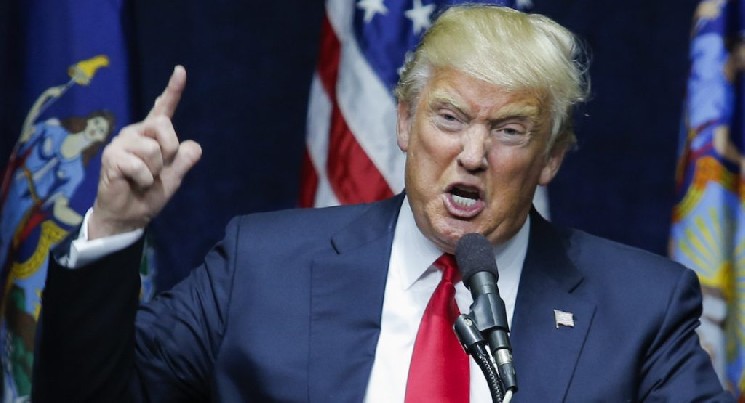
During his recent national address, President Trump painted a picture of imminent military action with specific timelines that have alarmed both allies and adversaries. His declaration that the United States would strike Iranian energy facilities within two to three weeks represents a significant escalation in both rhetoric and potential action. Trump indicated that American military planners have developed multiple scenarios for targeting Iran’s oil infrastructure, including the possibility of seizing key energy facilities outright—a move that would represent an unprecedented level of intervention. His statement that “we are about to complete all of the US military objectives in a short time” and the promise to “deliver an extremely hard blow to them” within weeks suggests a coordinated military campaign is either underway or in advanced planning stages. Perhaps most controversially, Trump claimed that most Iranian leaders had already been eliminated and that Iran’s naval and air forces had been effectively neutralized, assertions that independent analysts have found difficult to verify and which may represent either classified intelligence or rhetorical exaggeration designed to project strength. The President framed these actions within the broader context of preventing Iran from developing nuclear weapons and reducing American dependence on Middle Eastern oil, two long-standing pillars of US foreign policy in the region that have taken on renewed urgency in this latest confrontation.
Immediate Impact on Cryptocurrency Markets
The financial markets responded swiftly and negatively to Trump’s aggressive statements, with cryptocurrency markets bearing the brunt of investor anxiety. Bitcoin, the flagship cryptocurrency that often serves as a barometer for the entire digital asset ecosystem, fell below the psychologically significant $67,000 threshold as traders rushed to reduce their exposure to risk assets. This decline wasn’t isolated to Bitcoin alone—the entire cryptocurrency market experienced a synchronized downturn that highlighted how interconnected these digital assets have become and how sensitive they remain to geopolitical developments. The top ten cryptocurrencies by market capitalization all registered losses, with some experiencing particularly steep declines. Ethereum, the second-largest cryptocurrency and the foundation for much of the decentralized finance ecosystem, dropped 4.5% to settle around $2,050. Binance Coin (BNB), which powers one of the world’s largest cryptocurrency exchanges, fell 4.9% to approximately $590. XRP, despite its recent legal victories and institutional adoption efforts, couldn’t escape the selloff and lost 3.1% of its value to trade at $1.30. However, Solana (SOL) emerged as the biggest loser in this downturn, plummeting 6.2% in a single session and bringing its weekly decline to a troubling 11%—a particularly painful drop for a cryptocurrency that had been positioned as a high-performance alternative to Ethereum and had attracted significant investor interest throughout the previous months.
The Volatile Pattern of Crypto During Crisis
This recent decline is not an isolated incident but rather part of a troubling pattern that has emerged in cryptocurrency markets over the past several weeks as the US-Iran situation has deteriorated. Bitcoin has been trapped in a volatile trading range, oscillating between approximately $60,000 and $73,000, unable to break out decisively in either direction as investors remain paralyzed by uncertainty about global events. Each time news breaks about military developments, diplomatic failures, or threatening statements from either side of the conflict, cryptocurrency markets experience sharp selloffs as risk-averse traders move capital into what they perceive as safer havens. This behavior reveals something important about how cryptocurrencies are currently functioning in the global financial ecosystem—despite the original vision of Bitcoin as “digital gold” that would serve as a hedge against traditional financial system instability, in practice, cryptocurrencies have been trading more like high-risk technology stocks, declining sharply whenever geopolitical tensions rise. The Fear and Greed Index, a widely followed sentiment indicator for cryptocurrency markets, currently stands at an extreme fear level of just 12 out of 100, reflecting the deep anxiety that has gripped the market. This extraordinarily low reading suggests that investors are in near-panic mode, making decisions based on emotion rather than fundamental analysis, and positioning defensively in anticipation of further bad news.
Oil Markets Move in the Opposite Direction
While cryptocurrency markets tumbled in response to Trump’s statements about attacking Iranian energy infrastructure, traditional oil markets moved sharply in the opposite direction—a textbook example of how geopolitical risk affects different asset classes in fundamentally different ways. Oil prices surged approximately 5% to climb above $106 per barrel, as traders immediately recognized that any military action against Iranian oil facilities would likely disrupt global supply chains and reduce the amount of crude oil available on international markets. Iran is one of the world’s largest oil producers, and its energy infrastructure represents a critical component of global supply, particularly for Asian markets that have continued to purchase Iranian oil despite international sanctions. The prospect of this supply being taken offline, either through military strikes or through Iran’s potential retaliation by disrupting shipping through the Strait of Hormuz (through which approximately 20% of the world’s oil passes), has sent prices climbing and raised concerns about potential energy shocks that could ripple through the global economy. This inverse relationship between oil prices and risk assets like cryptocurrencies illustrates the complex dynamics at play—while some assets benefit from geopolitical instability, others suffer as investors flee to safety or anticipate economic disruption.
Looking Ahead: Uncertainty and Market Implications
As we look toward the coming weeks, the timeline Trump himself has set for potential military action against Iranian energy facilities, uncertainty dominates every conversation among investors, policymakers, and ordinary citizens trying to understand what comes next. The cryptocurrency market’s extreme fear reading and volatile price action suggest that investors are bracing for potentially worse news ahead, positioning themselves defensively while hoping for some diplomatic breakthrough that might prevent further escalation. The pattern we’ve seen—sharp declines with every negative development—suggests that if military action does materialize within Trump’s stated timeline, we could see even more dramatic selloffs across digital asset markets, potentially pushing Bitcoin back toward the lower end of its recent range or even breaking below it entirely. However, it’s worth noting that this analysis does not constitute investment advice, and the situation remains highly fluid with potential for rapid changes in either direction. For those watching these developments, whether as investors, policy observers, or concerned global citizens, the coming weeks will likely prove critical in determining both the trajectory of this conflict and its lasting impact on global financial markets. The interconnection between geopolitical events and market movements has rarely been more apparent, and the cryptocurrency market’s response to these tensions provides a real-time case study in how emerging asset classes behave during periods of international crisis—often not as the hedge against instability their proponents once envisioned, but as highly sensitive risk assets that amplify broader market anxieties.