

British Ambassador Discusses Security Incident and Royal Visit on Face the Nation
When Diplomatic Training Meets Real-World Crisis
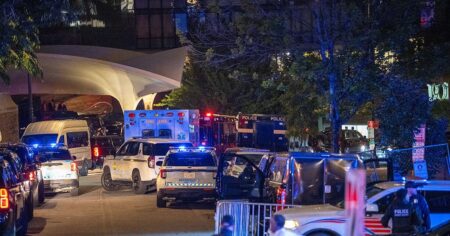
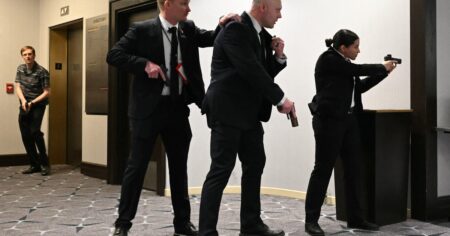
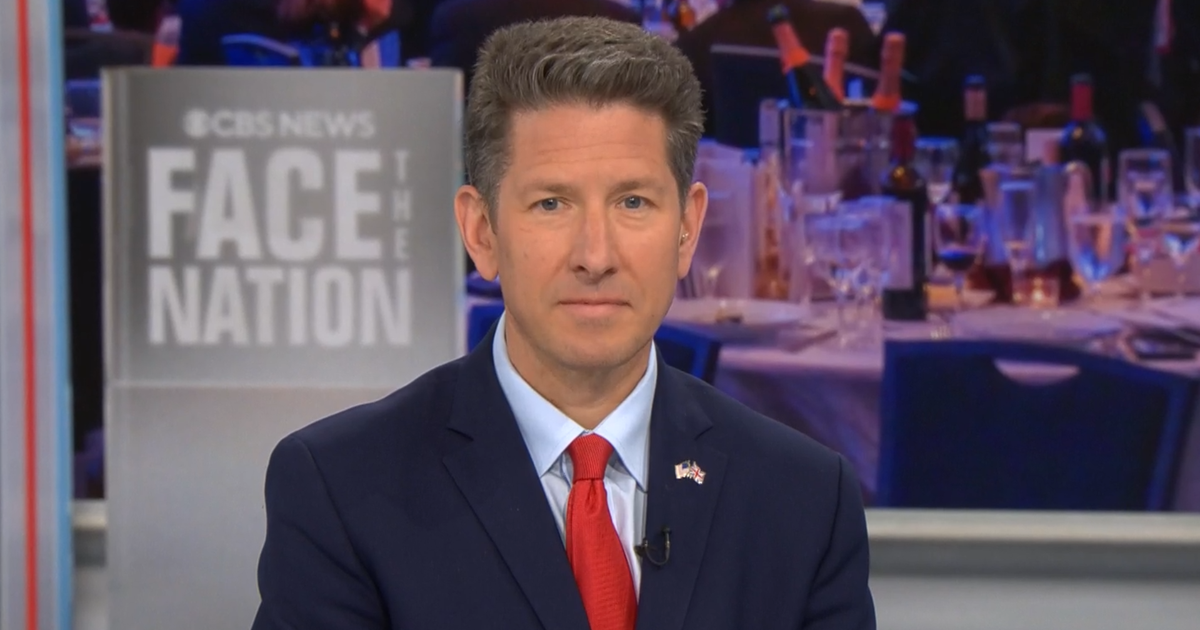
Sir Christian Turner, the British Ambassador to the United States, found himself in an unexpected situation that put his years of diplomatic security training to the test. During an appearance on “Face the Nation” following a security incident at a White House Correspondents’ Dinner, Ambassador Turner reflected on how his experience in some of the world’s most unstable regions suddenly became relevant in one of Washington D.C.’s most secure venues. Speaking with host Margaret Brennan, Turner praised the professionalism of the Secret Service and journalists present, noting that everyone’s training kicked in when it mattered most. He emphasized that in such moments, you follow instructions from security professionals and trust in their expertise. The ambassador saw the incident as a success story, highlighting how the Secret Service performed exactly as needed and how the journalists demonstrated their own professionalism during a weekend dedicated to celebrating press freedom. His calm assessment of the situation reflected the kind of composure expected from someone who has served in challenging diplomatic posts throughout his career, and his admiration for how everyone responded showed the mutual respect between allied nations’ security and diplomatic communities.
Royal Visit Proceeds Despite Security Concerns
Despite the unsettling events of the previous evening, Ambassador Turner confirmed that preparations were continuing for the arrival of King Charles and Queen Camilla, scheduled for the following day. This wasn’t just any diplomatic visit—it represented years of planning for a momentous occasion marking 250 years of relations between the United States and the United Kingdom. Turner acknowledged that his team had been working throughout the night and would continue monitoring the situation to determine if any operational changes were needed for the royal visit. However, he expressed complete confidence that Their Majesties would receive the highest level of security throughout their stay in the United States. The visit would include major events like an address to Congress and a White House reception, along with other ballroom gatherings celebrating the historic relationship between the two nations. While Turner admitted there was now a somber background to the celebrations after the security incident, he remained hopeful that the visit would still showcase the deep bonds between the two countries and be the celebration it deserved to be. The ambassador’s determination to move forward with the planned events demonstrated the resilience of diplomatic relationships and the importance both nations place on this special partnership.
Mending Fences in the Special Relationship
Margaret Brennan didn’t shy away from addressing the elephant in the room—recent tensions between the U.S. administration and British Prime Minister Keir Starmer. The relationship had been strained after Starmer initially didn’t support offensive operations by the United States and Israel against Iran. The American president had publicly expressed his displeasure, even mocking the Prime Minister by saying he was “no Winston Churchill” and suggesting it was too late for the UK to offer assistance. These were not minor diplomatic disagreements but public criticisms that required careful navigation. Ambassador Turner tactfully addressed these concerns by emphasizing a unique aspect of the British constitutional system—the monarch stands above politics. He reminded viewers that King Charles has never given a political interview because, while he serves as head of state, he is not the head of government. This constitutional arrangement actually provides an advantage in diplomatic situations, allowing the royal visit to rise above current political tensions and focus on the enduring relationship between the two nations. Turner drew on historical perspective, noting that Britain and America have weathered disagreements before—starting with that “small difference of opinion in 1776″—and referencing tensions between leaders like Thatcher and Reagan, and even Roosevelt and Churchill over how to handle Stalin. These historical examples served to contextualize current disagreements as temporary moments in an otherwise enduring partnership.
The Foundations of an Unshakable Alliance
Ambassador Turner made a compelling case for why the U.S.-UK relationship remains one of the world’s most important alliances, despite occasional political disagreements. The partnership extends far beyond political agreements between leaders—it’s deeply embedded in security cooperation, economic ties, and people-to-people connections. Turner highlighted that the UK is the largest foreign investor in 21 American states, with $430 billion in trade flowing between the two nations. But he emphasized that beyond impressive statistics, the relationship is fundamentally about people and shared values. Both nations are committed to resolving differences peacefully and rejecting political violence in their democracies—principles that felt especially relevant after the security incident the previous night. The ambassador noted that diplomacy operates on both personal and political levels, pointing to the fact that Prime Minister Starmer had spoken with the president that morning following the incident, and King Charles had sent a personal message to the president and first lady. These personal touches matter in international relations, building bonds of friendship and mutual respect that can weather political storms. The depth of the security and intelligence relationship, though not often discussed publicly, forms an absolute foundation for so much of what both countries accomplish together on the world stage.
Britain’s Role in Middle East Security
When the conversation turned to Iran and the ongoing situation in the Strait of Hormuz, Ambassador Turner was well-positioned to comment, given his previous experience as a negotiator on Iran issues. He acknowledged that determining who is currently running Iran presents challenges, as divisions exist within Tehran’s leadership. However, he was quick to point out that despite initial disagreements over offensive operations, the UK has been substantially contributing to security efforts in the region. British forces have been flying approximately 2,000 sorties with aircraft in the Middle East, shooting down drones and missiles nightly to protect allies in close coordination with American forces. UK bases have been used for defensive strikes, and British intelligence services, though they don’t often publicize their work, provide crucial support for allied operations. Turner emphasized that Britain shares the same policy objectives as the United States—constraining the Iranian regime’s threats and ensuring the Strait of Hormuz remains open for international shipping. He defended the coalition being organized by French President Macron and Prime Minister Starmer, which Secretary Hegseth had dismissed as “silly” and “just a bunch of meetings.” Turner explained that this coalition of approximately 50 countries is planning for the period after the straits reopen, working to ensure navigation security through a comprehensive package of naval vessels, drones, and intelligence sharing.
The Economic Stakes of Global Security
The ambassador made clear that the security situation in the Strait of Hormuz isn’t just a military or diplomatic concern—it has direct implications for ordinary citizens in America, Britain, and around the world. The global economy is suffering from the disruption to shipping through this vital waterway, and resolving this situation is essential for everyone’s economic wellbeing. This perspective illustrates how modern diplomacy must address the interconnection between security, economics, and daily life. The work being done by the UK-French coalition to plan for securing maritime navigation represents practical problem-solving that will benefit American and British citizens through more stable energy prices and supply chains. Ambassador Turner’s comments throughout the interview reflected a diplomatic approach that balances acknowledging current tensions while emphasizing shared interests, common values, and the historical depth of the Anglo-American partnership. As he prepared to welcome King Charles and Queen Camilla to the United States, Turner embodied the role of ambassador as both representative of his nation and builder of bridges between allies. Despite the challenging circumstances—a security incident, political tensions, and ongoing international crises—his message remained one of confidence in the enduring special relationship between the United States and the United Kingdom, built on centuries of shared history and cooperation.