
Congressman Jamie Raskin Reflects on Violence at White House Correspondents’ Dinner and America’s Gun Crisis
A Night That Brought Back Painful Memories
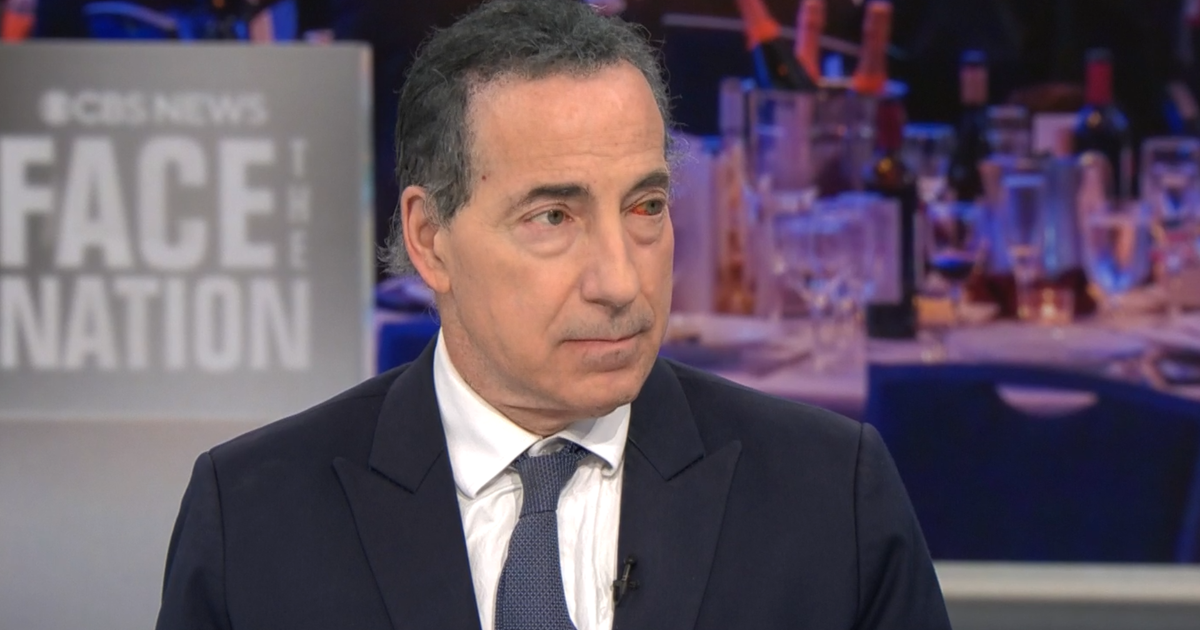
Maryland Congressman Jamie Raskin appeared on “Face the Nation” to discuss a terrifying incident that unfolded at the White House Correspondents’ Dinner on April 25, 2026. For Raskin, who survived the harrowing events of January 6th when rioters stormed the Capitol, this was another brush with violence that’s becoming all too familiar in American political life. As he recounted the evening, he had just entered the ballroom and was speaking with reporters from the Boston Globe near their table when three loud booms suddenly shattered the formal atmosphere. What followed was chaos—screams echoed through the room, dishes and silverware crashed to the floor, and voices shouted for everyone to get down. Someone pushed Raskin from behind, and he found himself on the ground along with everyone else, including Kerry Kennedy, who was a guest at the event. The room, which had been filled with journalists, politicians, and dignitaries just moments before, transformed into a scene of terror as people scrambled for safety under the protection of heightened security measures that most Americans never experience in their daily lives.
A Conversation About America’s Children and Gun Violence
In the aftermath of those frightening moments on the floor, Kerry Kennedy—whose father Robert F. Kennedy and uncle President John F. Kennedy were both assassinated—made a profound observation that redirected the entire conversation. She expressed disbelief that schoolchildren across America deal with this kind of terror regularly without adequate resources to process their trauma. This comment sparked a deeper discussion between Raskin and Kennedy about the gun violence epidemic plaguing the nation. Raskin pointed out the staggering statistics that often get lost in political debates: between 275 and 300 people are shot every day in the United States, and more than 100 of them die from their injuries daily. He emphasized that even as this nightmare was unfolding at the White House Correspondents’ Dinner, with all its security and immediate response capabilities, dozens of Americans were being shot and killed in communities across the country. The stark contrast wasn’t lost on him—while those in the ballroom benefited from Secret Service protection and rapid response teams, children sitting in classrooms, families shopping in malls, and people attending movie theaters have only a fraction of that security, if any at all.
The Privilege of Protection and the Call for National Action
Raskin used the incident to highlight a troubling disparity in American society: the difference between the security afforded to political elites and the vulnerability of ordinary citizens going about their daily lives. He noted that President Trump had spoken about the incident as demonstrating the importance of security improvements at the White House, which might help visitors to that building, but questioned what about the people in shopping malls, movie theaters, high schools, and elementary schools across the country? The congressman called for a serious, bipartisan national conversation about improving public safety for everyone, not just those inside the Washington beltway. His point was clear—if this incident serves only as an “inside the beltway story” without prompting broader action on gun violence and public safety, then America will have missed an opportunity to address the underlying conditions that make such violence commonplace. The privileged protection experienced by those at the dinner should be a reminder of what’s lacking in communities nationwide, where people face the threat of gun violence without the benefit of Secret Service agents, metal detectors, and comprehensive security protocols.
The Homeland Security Funding Standoff and Political Consequences
The conversation then shifted to a practical political matter that took on new urgency after the incident: the partial shutdown of the Department of Homeland Security, which had been ongoing for ten weeks at that point. This is particularly relevant because the Secret Service, which responded to the White House Correspondents’ Dinner incident, falls under Homeland Security’s umbrella, along with many other essential workers. The funding impasse had become tangled in a policy standoff in Congress, with Democrats and Republicans unable to reach agreement despite the Senate passing a funding bill unanimously. Raskin explained that all Senate Republicans and Democrats, along with all House Democrats, had voted to restore funding except for certain aspects related to ICE (Immigration and Customs Enforcement). The standoff had originated after ICE was involved in incidents in Minneapolis that resulted in the deaths of innocent people, Alex Pretti and Renee Good, which led Democrats to demand policy changes. When pressed about whether the previous night’s events might change the political calculus, Raskin expressed hope that it would, noting that three-quarters of Congress was already aligned on moving forward and resolving the remaining issues to get everything fully funded.
Presidential Rhetoric and the Need for Consistent Leadership
Margaret Brennan highlighted an unusual statement from President Trump following the incident, where he asked all Americans “to recommit with their hearts to resolve our difference peacefully” and spoke about being unified with members of the press. Raskin acknowledged this was “a new message” from the president and said it was welcome, but he also noted the contrast with Trump’s previous characterization of the press as “the enemy of the people” and his engagement in numerous lawsuits against media organizations. The congressman emphasized that Democratic leaders have consistently called for every politician, every leader, and every citizen in the country to denounce political violence across the board, regardless of its source. While welcoming the change in rhetoric, Raskin pointed out concerning actions that seemed to contradict this new tone, such as a lawsuit the administration had filed just the previous week against the Southern Poverty Law Center, an organization whose mission is to investigate violent right-wing extremism. He questioned the prosecution of an organization for using undercover agents when such methods are routinely employed by the FBI and government agencies.
The Chilling Effect on Democratic Participation
The interview concluded with a discussion about the broader impact of political violence and threats on American democracy itself. Raskin confirmed what former House Speaker Nancy Pelosi had recently stated—that threats of violence and concerns about family safety are deterring people from running for office, particularly women and mothers. Anyone considering running for office, from local positions to the presidency, must now factor in the real possibility of violence against themselves or their families. While presidential candidates receive Secret Service protection, most other candidates and officeholders don’t have the same level of security. Raskin called for America to rediscover its “great American tradition of nonviolence,” invoking Dr. Martin Luther King Jr. and other civilizing movements that historically opposed violence. He contrasted these peaceful movements with violent groups throughout American history, beginning with the Ku Klux Klan, that used terror and intimidation to achieve their aims. The congressman’s message was clear: if the threat of violence prevents good people from entering public service, then violence will have achieved one of its primary goals—undermining democratic participation and allowing fear to shape who leads the country. The incident at the White House Correspondents’ Dinner served as a wake-up call, but the real test will be whether it prompts meaningful action to address gun violence and political intimidation, or whether it becomes just another moment of temporary concern before the nation returns to business as usual.