


A Night of Crisis: Inside the White House Correspondents’ Dinner Security Incident
When Celebration Turned to Chaos
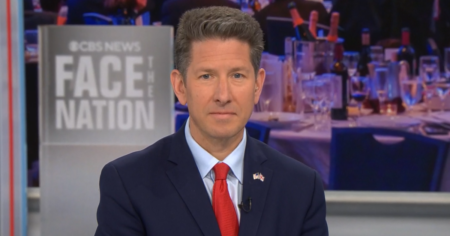
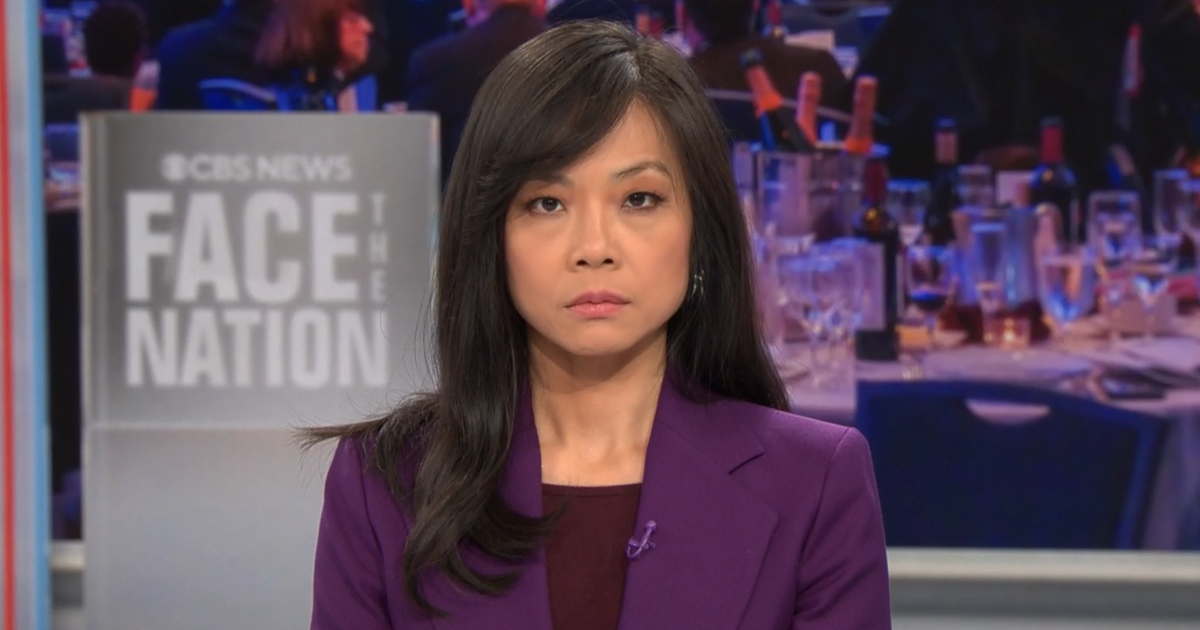
What was meant to be a night of celebration and tradition quickly transformed into a moment of terror at the White House Correspondents’ Dinner. Weijia Jiang, CBS News senior correspondent and president of the White House Correspondents’ Association, found herself at the center of a security crisis that would test her composure and leadership in ways she never imagined. In an emotional interview with Margaret Brennan on “Face the Nation,” Jiang opened up about the harrowing experience that unfolded in April 2026, describing how an evening that began with laughter and entertainment suddenly became a scene requiring SWAT teams and emergency protocols.
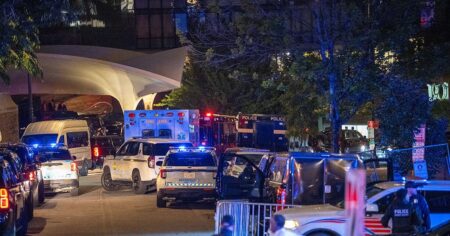
The dinner had just gotten underway, with guests settling in for what promised to be a memorable evening. Jiang had welcomed everyone and the entertainment portion was in full swing—a lighthearted moment featuring a performer doing tricks—when something shifted in the atmosphere. At first, Jiang thought it was simply a protester, something that journalists and public figures have become accustomed to in recent years. But within seconds, the situation revealed itself to be far more serious. SWAT team members rushed to the head table, urgently ordering everyone down. The contrast between the jovial atmosphere one moment and the life-threatening crisis the next was jarring and surreal.
Crawling to Safety While Holding It Together
As someone who has spent her career reporting on tragedies, violence, and crisis situations, Jiang thought she understood what it meant to face danger. But as she crawled off the stage alongside other distinguished guests, following the urgent commands of security personnel, she discovered that no amount of professional experience can truly prepare you for being on the other side of a potentially deadly situation. The backstage holding area, typically a mundane space where speakers and guests wait for their moment in the spotlight, became a nerve center of confusion and coordinated security response. More than a dozen SWAT officers filled the space, along with Secret Service agents and members of the president’s team, all working to assess the threat and protect everyone in the building.
What struck Jiang most in those chaotic moments was the professionalism and swift action of the security teams. Despite the confusion and the conflicting information that inevitably follows any breaking crisis, these men and women moved with purpose and precision. Their quick thinking and coordinated response protected not just President Trump and his cabinet members, but every single person in that hotel—journalists, guests, staff, and family members. While the situation was undeniably frightening, witnessing this level of dedication and competence provided a measure of comfort. These professionals train for worst-case scenarios, and when the moment came, they executed their duties flawlessly. For Jiang, there was something “heartening” about seeing this protective infrastructure work exactly as designed, even as the fear and uncertainty of the moment remained palpable.
A Personal Dimension to Professional Crisis
For Weijia Jiang, this crisis carried an additional layer of complexity that made it even more emotionally challenging. This wasn’t just another assignment or professional obligation—it was one of the proudest moments of her career. Serving as president of the White House Correspondents’ Association is a significant honor, and she had invited her family to share in this milestone. Her seven-year-old daughter, her parents, and her husband were all somewhere in that audience when the security threat emerged. As she huddled in the backstage area, trying to gather information and fulfill her responsibilities to the association members and guests, part of her mind was fixated on the monitors, desperately keeping her eyes on the table where her loved ones sat.
This duality—being both a professional trying to manage a crisis and a mother and daughter worried about family safety—created what Jiang described as an “additional complicated layer” to an already overwhelming situation. She needed to think about the safety of her association members, the hundreds of dinner guests, and most urgently, the people she could see on the monitors who mattered most to her in the world. Without clear information about whether there was still an active threat, she found herself torn between multiple roles and responsibilities, trying to appear calm and in control while internally processing fear and uncertainty. This human element—the reality that journalists are not just observers but people with families and loved ones—rarely gets acknowledged in crisis situations, but it fundamentally shaped Jiang’s experience of these events.
President Trump’s Determination to Continue
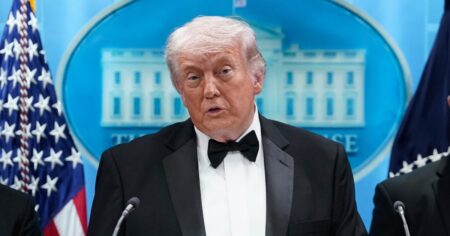
In the midst of the chaos and security response, President Trump summoned Jiang to his holding room for a personal briefing. This conversation revealed another dimension of the evening—the president’s insistence on not allowing the incident to derail the event entirely. Trump wanted to explain directly to Jiang that he understood the significance of the night and what it represented. The White House Correspondents’ Dinner is a longstanding tradition that celebrates press freedom and the First Amendment, and despite whatever security concerns his team might have been expressing, Trump was adamant about not being deterred. He told Jiang repeatedly that he refused to stand down, that he was not going anywhere, and that the evening would continue in some form.
This determination, whether viewed as courage or stubbornness, shaped how the rest of the evening unfolded. Trump’s team kept relaying to Jiang that “the president keeps saying he’s not going anywhere,” which explained why he remained on site rather than being immediately evacuated to a secure location. Before sending out a public statement describing the dinner as “postponed” and announcing an upcoming press conference, Trump wanted to talk through the situation with Jiang, ensuring she understood his reasoning and his commitment to the principles the evening represented. This direct communication between the president and the press association president in the immediate aftermath of a security incident demonstrates the unique relationship between the executive branch and the media, even in moments of crisis.
The Fragility of Freedom Under Pressure
When Jiang finally addressed the room full of worried and confused guests, she chose to frame the incident within a broader context about the freedoms everyone had gathered to celebrate. She reminded those assembled that the First Amendment protections they were honoring that evening—freedom of the press, freedom of speech, freedom of assembly—are not guaranteed or permanent fixtures of society. They are, in her words, “incredibly fragile,” requiring constant defense and vigilance. The irony was not lost on anyone: a gathering meant to celebrate these freedoms had been interrupted by a security threat that could have silenced many voices permanently.
This perspective reflects a mature understanding of democracy and civil liberties that comes from years of covering government and politics. Press freedom exists within a complex ecosystem that includes physical safety, institutional norms, public support, and constitutional protections. When any of these elements is threatened—whether by violence, political pressure, or public indifference—the entire system becomes vulnerable. Jiang’s comments suggested that she viewed the incident not just as a frightening personal experience but as a reminder of why the work of journalism matters and why these annual gatherings, despite their sometimes frivolous appearance, serve an important symbolic function. The fact that both she and President Trump agreed the event should continue in some form, despite the security concerns, speaks to a shared recognition that yielding to threats would represent a more significant loss than the physical danger itself.
Processing Trauma and Moving Forward
As the interview concluded, Margaret Brennan’s compassionate suggestion that Jiang go home to her family acknowledged what had been largely unspoken throughout the conversation: this experience was traumatic, and its effects would likely continue long after the immediate danger had passed. Jiang’s grace under pressure was evident throughout the evening and in the interview itself, but maintaining that composure required enormous emotional energy. The transition from covering violence and tragedy as a reporter to experiencing it firsthand creates a fundamental shift in perspective that cannot be easily processed or set aside.
For journalists like Jiang, who have built careers on remaining objective and composed while reporting on others’ worst moments, becoming the subject of the story presents unique challenges. The professional training that helps reporters maintain emotional distance doesn’t automatically translate to handling personal trauma. The fact that this incident occurred during a milestone moment in her career, with her young daughter present, adds layers of meaning and emotional complexity that will likely take time to fully understand and integrate. Yet Jiang’s determination to fulfill her responsibilities—to inform the guests, to work with the president’s team, to maintain the dignity of the occasion—demonstrated the same commitment to duty that motivated the security personnel who protected everyone that night. In sharing her story with candor and vulnerability, Jiang offered viewers a rare glimpse into the human reality behind the news, reminding us that the people who bring us information about crises are themselves affected by the events they cover and sometimes experience firsthand.